
TV Review- Carolyn Steps Into the Spotlight in FX "Love Story" by NWO Sparrow
Sarah Pidgeon’s breakout performance grounds Love Story in ambition, vulnerability, and quiet rebellion.

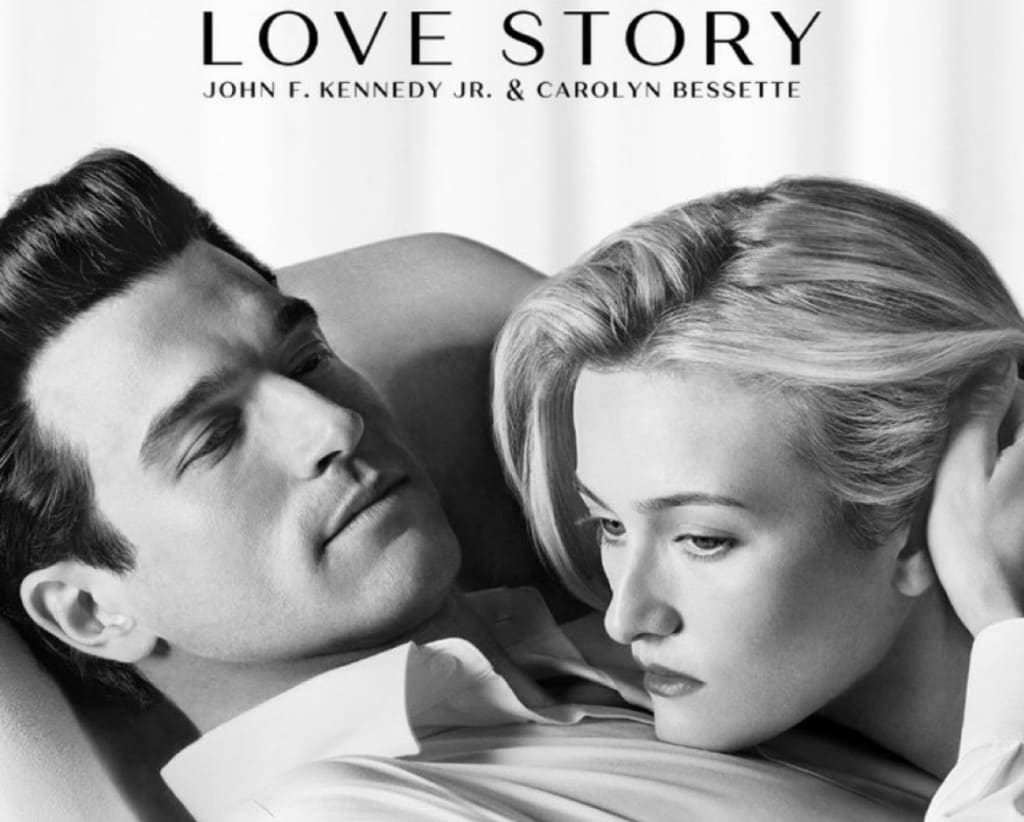
The Weight of the Kennedy Last Name by NWO Sparrow
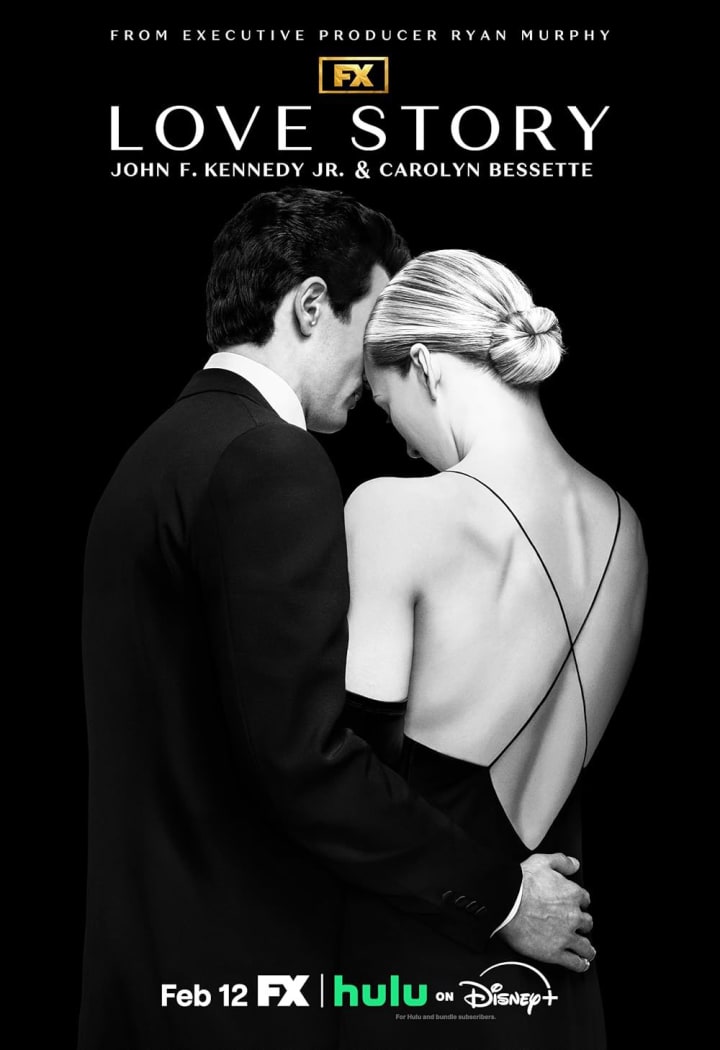
When I walked into the advance screening of FX and Hulu’s new series Love Story, I’ll admit I carried a bit of skepticism with me. A drama centered on John F. Kennedy Jr. and Carolyn Bessette-Kennedy felt like it could easily drift into glossy mythology, an upscale retelling polished to the point of unreality. Their romance has long lived in photographs and headlines, frozen in a kind of American Camelot haze. I braced myself for something distant and ornamental.
Then I saw the name Ryan Murphy stamped across the opening credits, and my expectations shifted immediately. Murphy has an uncanny ability to resurrect entire eras. Watching his work rarely feels like passive consumption. It feels immersive, textured, alive. Whether you’re stepping into 1980s Manhattan or mid-century Los Angeles, he doesn’t just stage a period, he recreates its emotional temperature. That gift is fully intact here. From the first time lapse sequence, I felt transported, not just visually but atmospherically, into a specific moment in American culture.
The premiere opens at what appears to be the final chapter of John and Carolyn’s lives. An airport. A quiet tension. A marital disagreement that feels small on the surface yet heavy with unspoken weight. There’s something haunting about starting at the end. It reframes everything that follows.
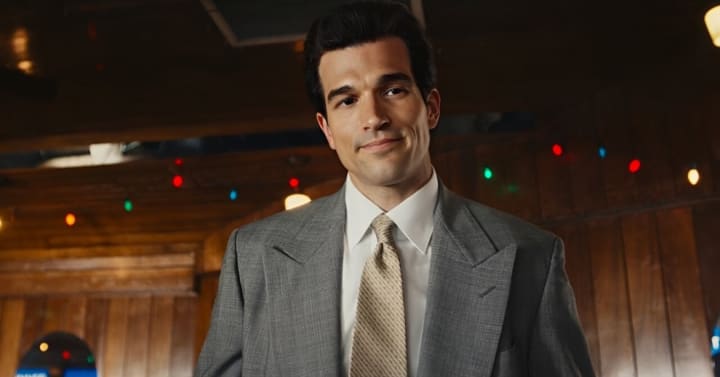
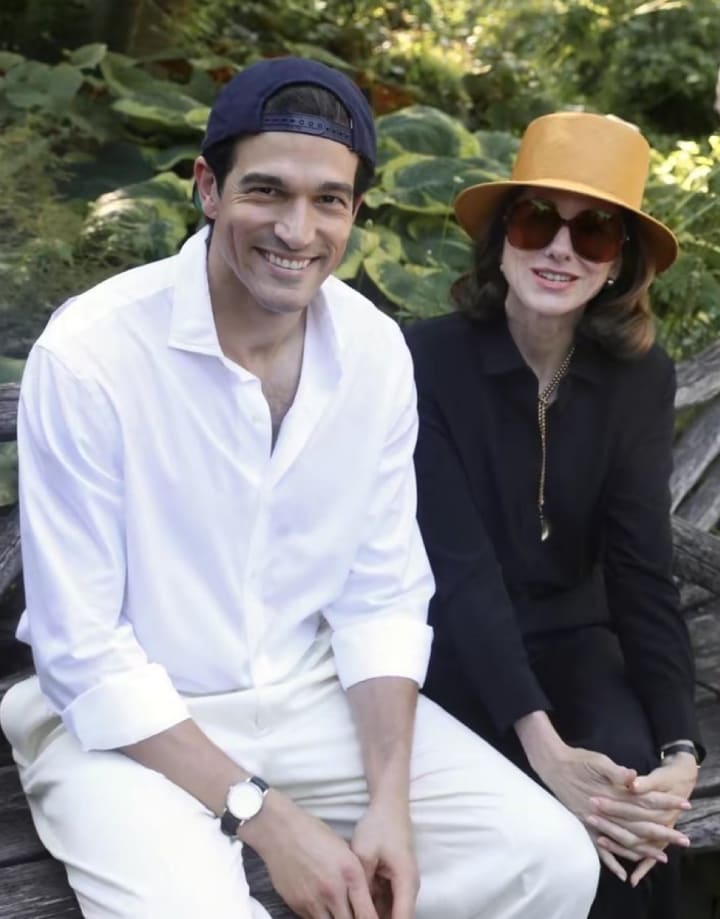
Paul Anthony Kelly takes on the role of John Jr., and for someone like me who didn’t grow up studying the Kennedy dynasty in real time, he had a blank canvas. I didn’t walk in with rigid expectations about cadence or physicality. What Kelly does with that freedom is impressive. He doesn’t lean into bravado or heightened charisma. Instead, he plays John as grounded and almost disarmingly normal. Cool. Observant. Measured.
There’s a restraint in his performance that works beautifully. He never pushes too hard for charm or legacy. If you passed his version of John on a downtown Manhattan sidewalk without context, you might just see another well dressed New Yorker. That choice humanizes a man history often elevates to myth.
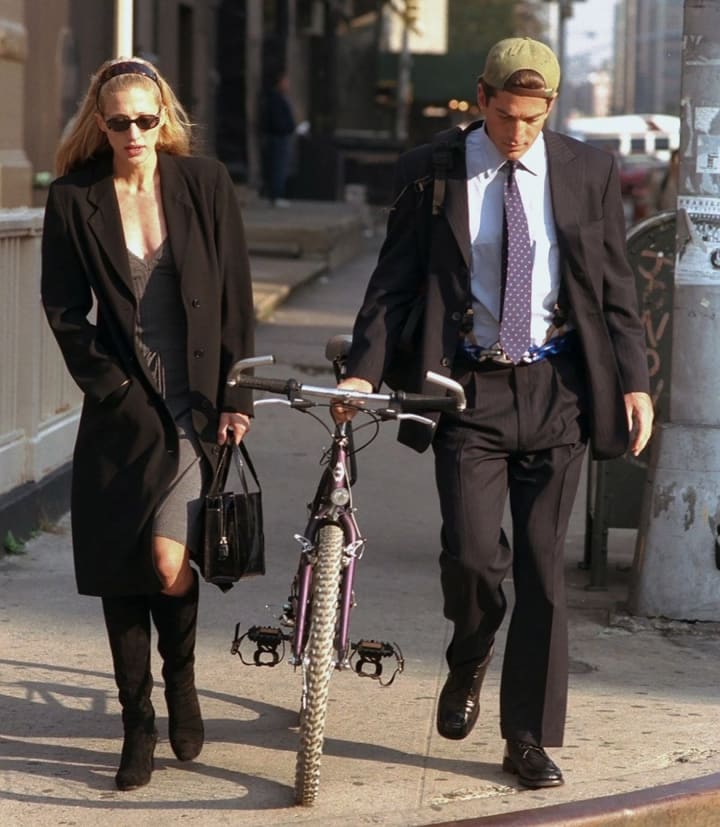
One detail that genuinely surprised me was the depiction of John riding his bike through New York City or playing tag football in Central Park without visible security. It almost felt implausible through a modern lens. But perhaps that’s part of what this series is trying to remind us of. There was a time when celebrity and accessibility coexisted differently. Whether entirely accurate or slightly romanticized, it contributes to the portrait of a man attempting to live freely despite the weight of his last name.
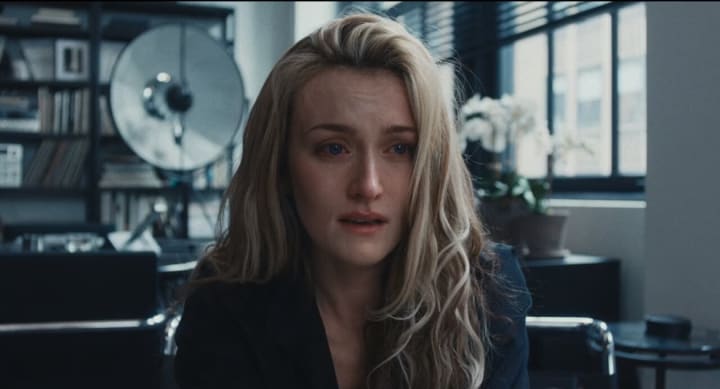
Opposite him, Sarah Pidgeon delivers a striking turn as Carolyn. The resemblance alone is startling, but it’s the emotional undercurrent that sells it. Pidgeon introduces Carolyn not as an icon, but as a working woman navigating ambition and expectation at Calvin Klein. Her early storyline, particularly styling Annette Bening for a red carpet, grounds her in a tangible professional world.
What I appreciated most is that Carolyn is not framed as someone chasing proximity to power. She is career driven, creative, and determined. The nail salon scene, where she agonizes over the perfect polish before meeting the Kennedy family at a wedding, quietly captures the psychological pressure of marrying into American royalty. It’s a small moment, but it speaks volumes about identity, scrutiny, and self presentation.
Pidgeon’s chemistry with her on screen colleague, played by Viveca Chow, adds texture to the Lower East Side backdrop. Their exchanges feel natural and lived in, reflecting a specific 1990s New York energy that the show captures with care. Through these friendships, Carolyn feels less like a headline and more like someone you might know.
Then there’s Naomi Watts as Jacqueline Kennedy Onassis. Watts commands every scene she enters. Her portrayal of Jackie is layered with fatigue and control, a woman shaped and confined by the spotlight. In a particularly compelling exchange, she advises John about the kind of partner he should choose, subtly cautioning him against fame. The irony hums beneath the dialogue. Watts avoids caricature. The voice work is measured, never exaggerated. She embodies Jackie’s composure without turning it into parody. In doing so, she anchors the emotional stakes of the Kennedy legacy within the family dynamic rather than political spectacle.
Head writer Conner Hines understands the essentials of launching a series. The premiere gives us characters worth investing in, conflict that feels personal rather than sensational, and emotional threads that demand continuation. Unlike some recent Murphy productions that have felt manufactured for shock value, this one feels purposeful. Intimate. Necessary.
What surprised me most is how relevant the story feels for a new generation. For younger viewers who know John and Carolyn only as a tragic footnote, this series reframes them as complex individuals navigating love under a microscope. Carolyn’s arc in particular resonates. Her struggle between self definition and public expectation mirrors modern conversations about identity in the age of constant visibility.
By the end of the pilot, I wasn’t thinking about history. I was thinking about humanity. About how two people tried to build something real while the world watched.
On my scale, the pilot earns high marks across the board. Acting is a strong 5 out of 5. Writing matches it. Set design immerses you completely. Authenticity lands slightly lower only because certain elements feel filtered through nostalgia. Still, the total experience sits confidently at 4.5 out of 5.
If the premiere is any indication, Love Story is not just revisiting a romance. It is reclaiming it from myth and returning it to flesh and feeling. And that, more than anything, is what makes this series worth watching.
About the Creator
NWO SPARROW
NWO Sparrow — The New Voice of NYC
I cover hip-hop, WWE & entertainment with an edge. Urban journalist repping the culture. Writing for Medium.com & Vocal, bringing raw stories, real voices & NYC energy to every headline.
Keep reading
More stories from NWO SPARROW and writers in Geeks and other communities.
No Other Choice (2025)
It is only February, so other films may well surpass “No Other Choice”, but I think this is the best film I’ve seen so far this year. And that surprises me, because, it is a subtitled film and while I am pretentious enough to choose to watch foreign-language films, I was also very tired and that was an extra commitment from me. But more importantly, let me warn you, this film is gruesome and violent. There were times I had to turn away from the screen to avoid the worst of it (including some self-inflicted dentistry).
By Rachel Robbins6 days ago in Geeks
Why Taxi Driver Still Haunts Cinema 50 Years Later
Plot Summary Travis Bickle, a lonely and disillusioned Vietnam War veteran, takes a job as a taxi driver while navigating the sleazy, morally decaying streets of New York City. Haunted by insomnia and isolation, he becomes increasingly withdrawn from society, observing the corruption, vice, and apathy around him. As his fury intensifies, his inner turmoil drives him toward dangerous, unsettling actions, reflecting both his personal isolation and the broader social unease of the urban environment he cannot escape.
By TheScreenAnalyst6 days ago in Geeks
Valentine's Dates Over the Years
Colin grinned as Brooklyn slipped into the living room. “Is it all set?” he asked. The twenty-one year old grinned. She was in her last year of college and Colin knew that Lincoln was proud of her. Although she had been away at college, she’d eagerly helped Colin plan his surprise for Lincoln. “I’m so glad you’re finally doing this,” she said.
By Reb Kreyling6 days ago in Chapters



Comments
There are no comments for this story
Be the first to respond and start the conversation.