
Unstreamable ’80s Classics: The Movies Lost in Digital Limbo
Streaming was supposed to be film preservation’s great democratizer. Every movie ever made, instantly accessible, waiting patiently in the cloud. That was the promise.


The reality of the streaming era is something stranger, and far more fragile.
A surprising number of culturally significant films from the 1980s—movies that helped define their era, shape careers, and influence generations of filmmakers—are not currently available to stream on major subscription platforms in the United States. They are not lost in the literal sense. They exist. But they are functionally invisible, stranded in a digital limbo created by rights disputes, lapsed licenses, music clearances, and the quiet indifference of corporations toward anything that doesn’t immediately generate clicks.
This is one of the defining paradoxes of modern film culture. At the precise moment when access should be infinite, parts of cinema history have become harder to see.
These films aren’t obscure curiosities. They are essential works. And yet, they remain frustratingly out of reach.
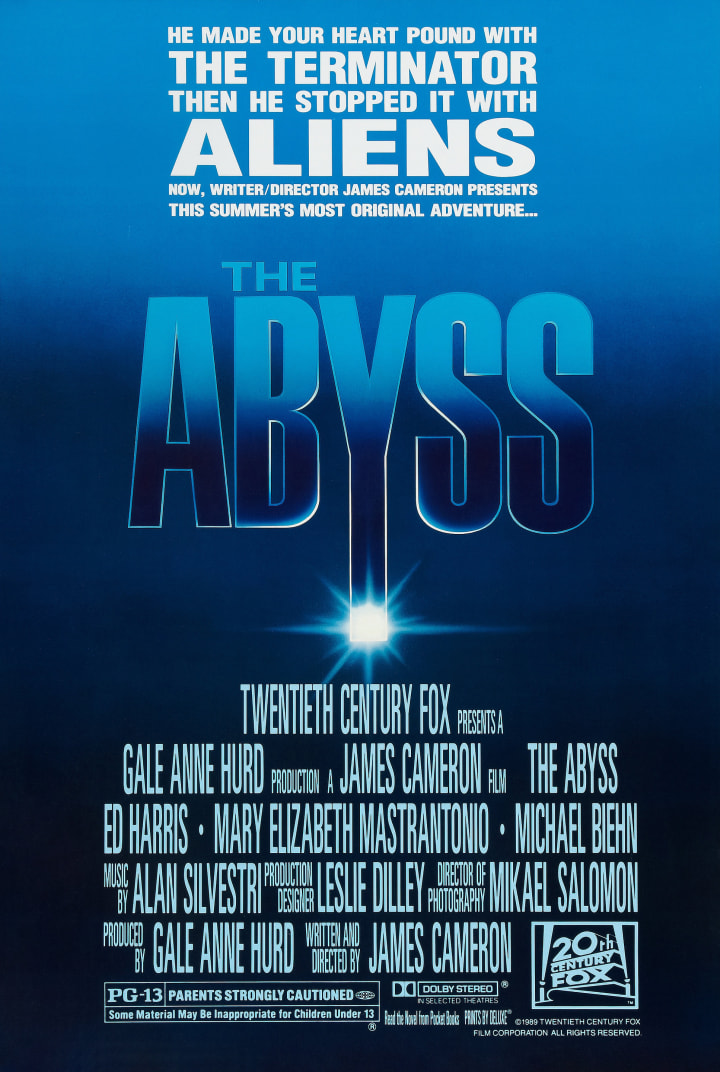
The Abyss (1989): A Landmark You Can’t Easily Watch
James Cameron’s The Abyss is not just another science fiction film. It’s a technological leap forward.
The film’s groundbreaking water tentacle sequence represented one of the earliest convincing integrations of CGI into live-action storytelling, laying the groundwork for everything Cameron would later achieve in Terminator 2 and Titanic. It’s also one of his most emotionally mature films—a story about empathy, fear, and contact with the unknown that feels more intimate than explosive.
And yet, for years, The Abyss existed in a strange state of semi-availability. Different cuts circulated unevenly. High-quality streaming versions were inconsistent or absent entirely. A film that helped invent modern visual effects spent decades trapped behind outdated distribution pipelines.
It’s hard to imagine a clearer example of how technological progress doesn’t guarantee accessibility.
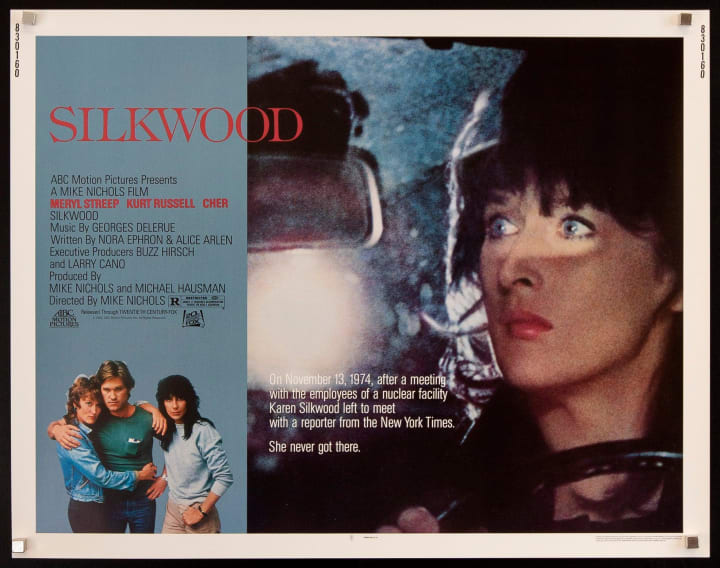
Silkwood (1983): A Major American Film That Quietly Vanished
Mike Nichols’ Silkwood is the kind of film studios once built their reputations on—serious, adult, politically engaged storytelling anchored by towering performances.
Meryl Streep gives one of the finest performances of her career as Karen Silkwood, the real-life nuclear plant worker who exposed safety violations before her mysterious death. Cher and Kurt Russell deliver equally powerful work, grounding the film in lived-in authenticity rather than melodrama.
Despite its acclaim and Oscar nominations, Silkwood has spent long stretches difficult to locate on streaming platforms or even physical media. Its absence feels less like an oversight and more like a quiet erosion of cultural memory.
If a film like Silkwood can disappear, nothing is guaranteed permanence.
Mask (1985): A Deeply Human Film Buried by Licensing
Peter Bogdanovich’s Mask remains one of the most emotionally devastating films of the decade.
Eric Stoltz plays Rocky Dennis, a teenager living with a rare facial deformity, while Cher delivers a raw, fearless performance as his mother. The film avoids sentimentality. It earns its emotional impact honestly, through character and compassion.
But Mask has long faced complicated music licensing issues, particularly involving its original soundtrack. These seemingly mundane legal entanglements have had enormous consequences, limiting the film’s availability and preventing new audiences from discovering it.
A film about being seen has itself become difficult to see.
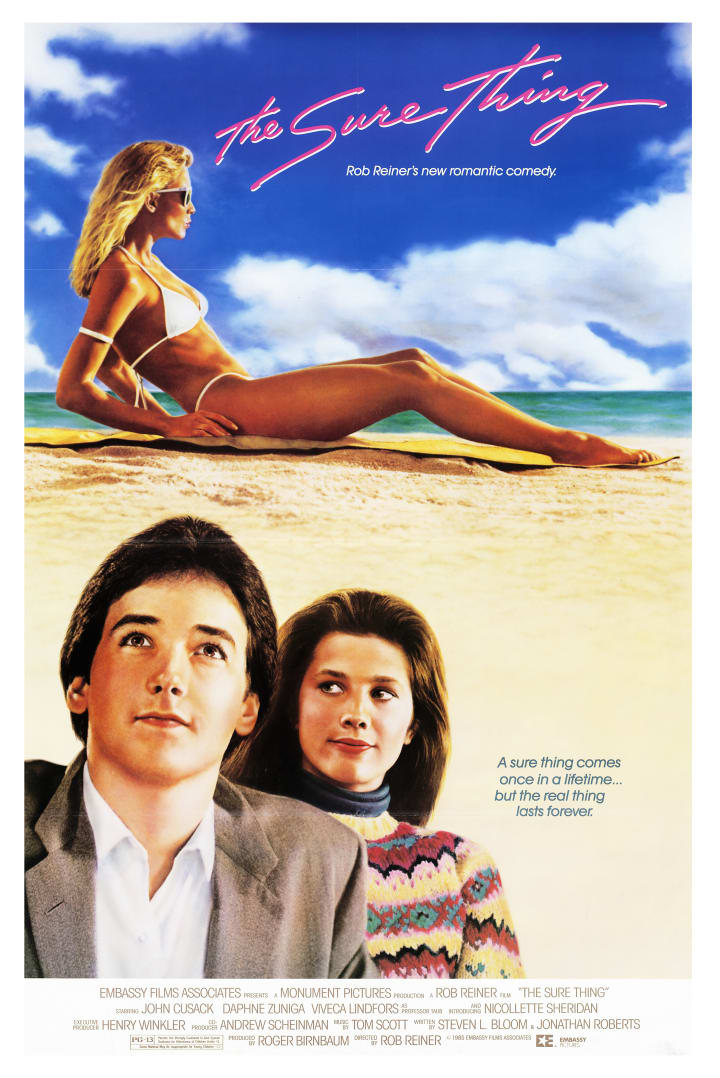
The Sure Thing (1985): Early Rob Reiner, Missing in Action
Before Stand by Me. Before The Princess Bride. Before When Harry Met Sally.
Rob Reiner directed The Sure Thing, a funny, sharply observed road movie about youth, expectations, and the illusions people build around romance.
John Cusack’s performance helped establish the persona he would refine throughout the decade—the intelligent outsider navigating a world that doesn’t quite match his ideals.
And yet, this crucial early chapter in Reiner’s career often remains absent from streaming platforms. For viewers trying to understand the evolution of one of America’s great mainstream directors, a key piece of the story is simply missing.
A fact that becomes even more poignant with Reiner's tragic, all too recent death.
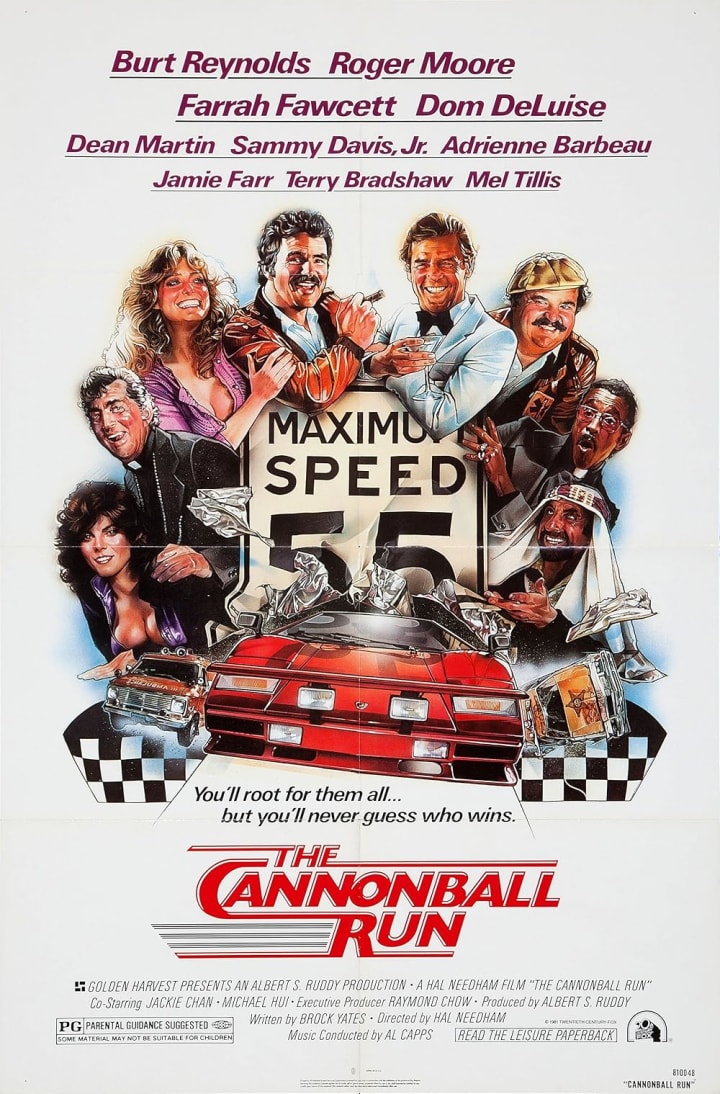
The Cannonball Run (1981): A Cultural Phenomenon Left Behind
Few films capture the chaotic, anything-goes spirit of early-’80s entertainment like The Cannonball Run.
It’s less a traditional film than a cinematic party—Burt Reynolds, Roger Moore, Dean Martin, Sammy Davis Jr., Farrah Fawcett, and Jackie Chan all sharing the screen in a sprawling, stunt-driven spectacle.
The film was a massive commercial success and an undeniable cultural moment. But the same factors that made it possible—its massive ensemble cast, licensed music, and fragmented ownership—have made consistent streaming availability difficult.
The result is a bizarre contradiction: one of the decade’s biggest hits has become strangely elusive.
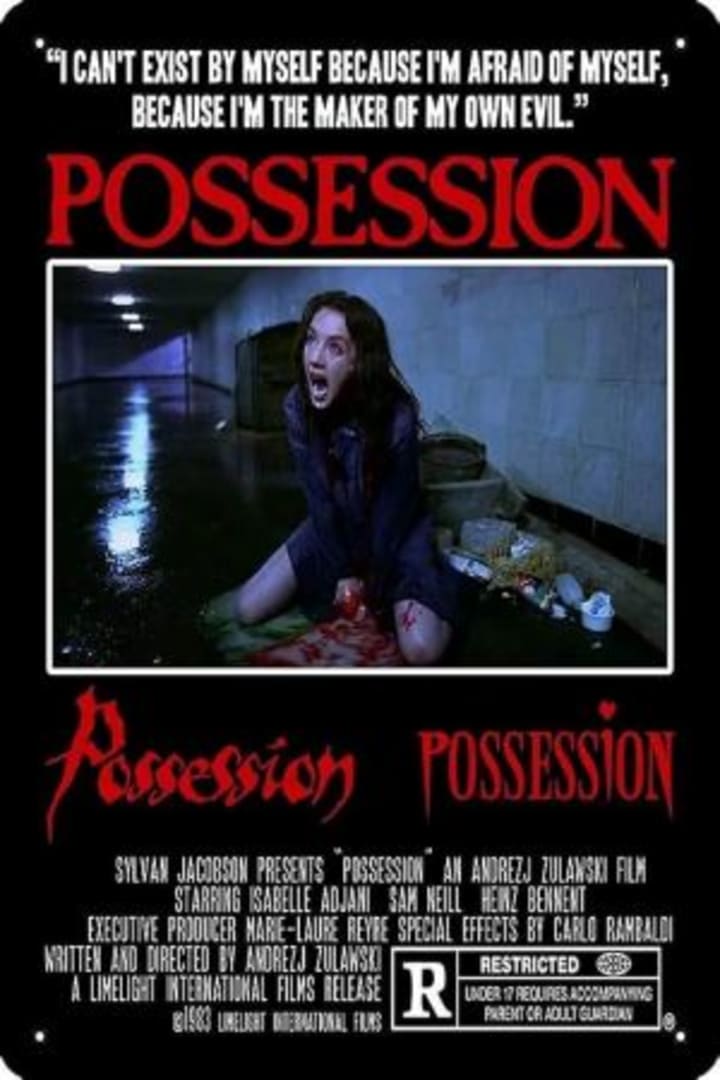
The Cult Films Lost Even Deeper
The problem isn’t limited to mainstream Hollywood.
Andrzej Żuławski’s Possession (1981), one of the most emotionally raw horror films ever made, has spent years trapped in complicated regional rights disputes.
John Cassavetes’ Love Streams (1984), a deeply personal film from one of America’s most important independent filmmakers, remains similarly difficult to access.
These are not disposable movies. They are foundational works of cinema. And yet they exist outside the algorithm’s priorities.
Streaming services preserve what they consider valuable. Everything else becomes negotiable.

The Dangerous Myth of Digital Permanence
The central illusion of streaming is permanence. The facts are far different. Search through the #Movies hashtag on Twitter (I know, I still call it Twitter) and you will likely find another story of someone whose streaming library disappeared or suddenly got smaller when access to a title was cut off for whatever reason. The fact is, you don't actually own the movies you by on streaming unless you download them and move them to an external, inaccessible harddrive, if that's even possible.
Amazon can revoke your purchase of a title anytime they want and when they lose the rights to a streaming title to another streaming company, they can and do take away your movie without having to tell you that they did it. And if you aren't regularly checking your purchases, you might not even notice its gone or how long it has been gone.
Physical media occupies space. It feels tangible. Streaming feels infinite, weightless, eternal. But streaming libraries are temporary. Films appear and disappear based on licensing agreements negotiated in corporate offices. Availability isn’t determined by artistic importance. It’s determined by business calculus.
Ownership has been replaced by access. And access can be revoked
This is why physical media, once dismissed as obsolete, has become a form of preservation. A Blu-ray on a shelf cannot be removed by a licensing dispute. It cannot quietly vanish overnight.
Streaming didn’t kill physical media. It proved why physical media still matters.
⸻

Cinema History Should Not Be This Fragile
The 1980s remain one of the most vibrant decades in film history. It was a period where mainstream entertainment, independent cinema, and technological innovation collided in ways that continue to shape movies today.
But the digital age has introduced a new vulnerability. Films no longer disappear because they deteriorate physically. They disappear because they become inconvenient.
These unstreamable films remind us of something uncomfortable but essential: cinema history is not self-preserving. It survives only if people continue to value it, protect it, and demand access to it.
Otherwise, even the most important films can quietly fade—not into obscurity, but into silence.
About the Creator
Movies of the 80s
We love the 1980s. Everything on this page is all about movies of the 1980s. Starting in 1980 and working our way the decade, we are preserving the stories and movies of the greatest decade, the 80s. https://www.youtube.com/@Moviesofthe80s
Keep reading
More stories from Movies of the 80s and writers in Geeks and other communities.
Goodbye, Mr. Duvall
It is turning out to be an interesting year. I was in the middle of teaching a class when a pop-up appeared on the screen announcing the death of Mr. Robert Seldon Duvall (yes, that was his full name). I was in the middle of a discussion on the obsession we have with winning when it comes to sports (the Winter Olympics was a theme), and I felt as though things were coming full circle. We had already lost Gene Hackman last year, and along with that titan, it feels though one particular golden age has closed off to be replaced by...?
By Kendall Defoe 5 days ago in Geeks
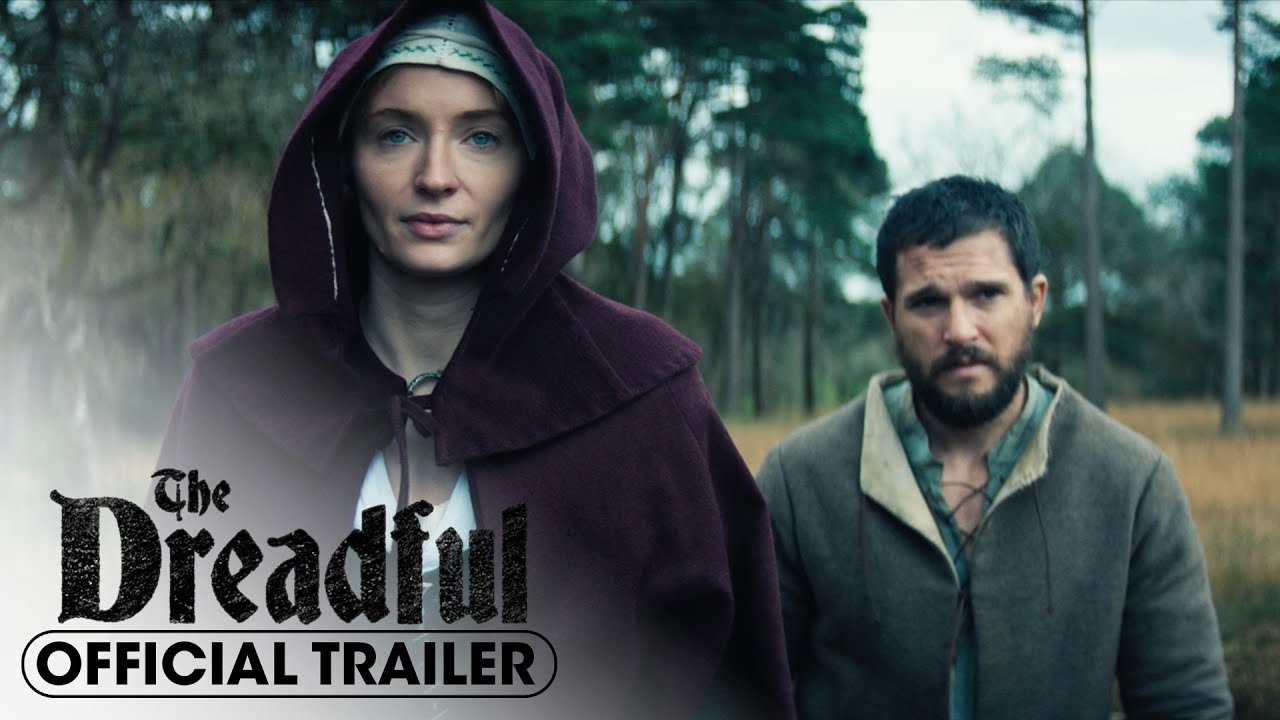
The Dreadful: The Indie Horror Film That Lives Up to Its Name
Not the loud, jump-scare kind that fades as soon as the credits roll—but the slow, creeping kind that seeps under your skin and refuses to leave. The Dreadful is exactly that type of film. It doesn’t beg for your attention with chaos. Instead, it builds unease brick by brick until you realize you’ve been holding your breath for far too long.
By Alex Bloomfield4 days ago in Geeks



Comments
There are no comments for this story
Be the first to respond and start the conversation.