
Why Teams Struggle When Switching CRMs and How to Avoid the Usual Chaos?
Inside my experience guiding a team through a CRM shift, the hidden reasons it falls apart and the small habits that prevent the usual chaos.

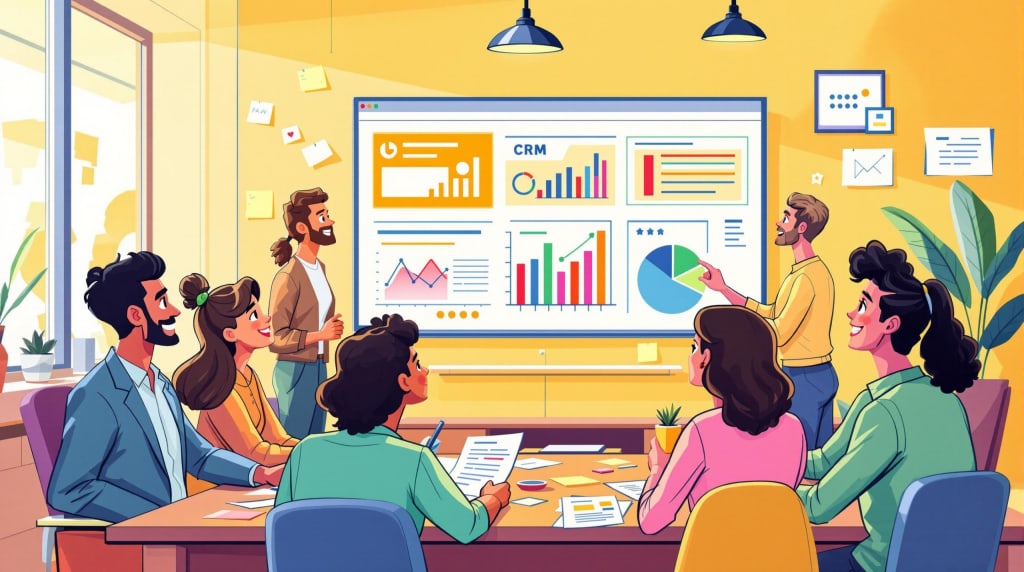
The rain was slowing down outside my office window when our meeting ended. Everyone walked out quickly, but the tension stayed behind. I sat there for a moment, staring at the half cup of chai I had forgotten to drink. These meetings always carried the same quiet worry. People pretend they are fine, but I can feel the shift in the room. A CRM change never feels small. It shakes routines, comfort and confidence all at once.
I have been through this before. Years ago, I watched a CRM switch turn into a week of confusion. Deals disappeared into strange folders. Contacts lost their tags. People blamed each other instead of the system. That memory still follows me, so this time I want to do it right. This time I want the team to feel steady, not scared.
I opened my notebook and looked at the words I had scribbled during the meeting. Somewhere in the corner, I had written HubSpot CRM Migration. I underlined it once. It reminded me that the work was not only technical. The real challenge was helping people trust the shift.
I started noting down the things I had seen go wrong in the past. The patterns were almost always the same.
When Teams Rush Into It Without Cleaning Anything
The first issue is a quiet one. Many people believe a CRM switch works like copying files from one folder to another. They imagine a simple transition where data moves neatly into its new home. That is never the case.
A CRM holds years of history. Abandoned deals. Duplicates. Half-filled fields. Old automations no one remembers creating. If we move all of that into a new system without checking anything, the chaos travels with us.
I remember a sales rep standing next to my desk once, completely lost because half his pipeline looked empty. It turned out the fields had not been mapped correctly. Nothing was missing. Everything was just hiding in the wrong place.
Moments like that take the wind out of people. They lose faith in the process before it even starts. That is why I tell myself every time to slow the team down and clean things first. A calm start always protects us later.
When People Feel Pulled Away From Their Comfort Zone
There is a human side to all of this. People grow attached to the tools they use daily. They build habits inside them. They move through screens without thinking. They know where everything sits.
A new CRM takes that comfort away. Even if it is clearer, faster or easier, the first feeling is discomfort. The buttons sit differently. The pages scroll differently. The reports don’t match the old ones. This unfamiliarity builds hesitation and turns into frustration.
I felt that in the room earlier today. No one said it, but I could see it in their posture. The fear was not about the tool. It was about losing the sense of control they had with the old one.
I wrote a reminder to myself. People want to feel anchored. My job is to give them that.
When Leadership Pushes For Fast Timelines
Another challenge appears when leadership wants a quick shift. Sometimes they want everything done within a sprint or two. They see the big picture and want to move fast, but the team is the one that feels the pressure.
A rushed timeline always creates mistakes. When we push too hard, mapping gets sloppy. Training gets shortened. Communication becomes unclear. And once that happens, the entire change starts falling apart.
I know this because I have lived through it. The system may go live on time, but the team feels lost for weeks. I want to avoid that this time.
What Saves Us Every Time
After listing the problems, I turned my notebook to a fresh page. I needed to write down the solutions I knew actually work in real life. These steps had saved me before. They had kept teams calm even when the process felt heavy.
Clean the Data Before Anything Else
This is the part no one finds exciting, but it is the step that shapes the entire experience. When we clean the data first, everything that follows becomes easier. Removing duplicates. Checking field formats. Closing old deals that should not move forward. Reviewing tags and segments.
This part takes time, but every hour spent here saves days later. Clean data creates trust. Bad data creates doubt.
Map Every Field Carefully
I have learned that mapping is not something to rush. A wrong field can ruin someone’s week. Understanding where each field should go in the new CRM keeps everything steady.
I ask myself simple questions. What should happen to this field. Where should this custom object fit. Should this tag stay or be removed. The clearer this part is, the fewer surprises appear later.
I once spent a full day mapping fields for one team. It felt long in the moment, but it saved them from multiple delays during the shift.
Give People Real Training With Real Examples
Training works only when it feels real. A single demo never prepares a team. They need time. They need repetition. They need to walk through deals they already know.
I always use live examples during training. People respond better when they see their own pipeline on the screen. It creates a sense of ownership instead of distance.
Sometimes training feels slow, but slow training always leads to fast adoption.
Communicate Through Small, Regular Updates
Long emails never help anyone. People skim them and forget what they read. What actually works is steady communication in small pieces. Screenshots. Short clips. Simple reminders sent at the right time.
These tiny updates make people feel included. They calm the mind and prevent last-minute confusion.
What I Want For My Team
When I stepped out of the meeting room, I listened to the office settle back into its normal rhythm. Somewhere across the room, someone laughed at a message. Another person folded their headphones. The everyday sounds made the place feel steady again.
I stood there knowing exactly what I needed to do. This migration is not only a technical project. It is a shift in comfort, habits and trust. If I guide it the right way, the team will feel safe throughout the transition.
My job is simple now. Slow the process down. Clean the data. Map the fields with care. Train people with patience. Keep everyone informed. These steps keep the usual chaos away.
I took a sip of my cold chai and smiled a little. We can get through this. I just need to lead them the steady way.
About the Creator
Jane Smith
Jane Smith is a content writer and strategist with 10+ years of experience in tech, lifestyle, and business. She specializes in digital marketing, SEO, HubSpot, Salesforce, web development, and marketing automation.
Keep reading
More stories from Jane Smith and writers in Geeks and other communities.
How International SEO Agency and SEO Content Writing Agency Align?
I was on a Zoom call that felt routine. The kind where you already know how it will end before it starts. The prospect had come through organic search. He’d booked a demo. He’d read our site. All the usual signs were there.
By Jane Smith5 days ago in Geeks
Not Just For Clean Up: A History Of The MCU's Department of Damage Control
Initially an organisation that seemed to exist to help the heroes of the Marvel Cinematic Universe, from Phase Four onwards, the Department of Damage Control has shifted into a more antagonistic role. Most recently seen in the Wonder Man series, the current incarnation of Damage Control seems to target superpowered individuals, regardless of whether that person poses an active or intentional threat.
By Kristy Anderson7 days ago in Geeks
Kenton of the Star Patrol: A review of Stories: Vampires of the Void, and Serein's of Space
In this episode of the 1950s Science Fiction Podcast, the host reviews two early 1950s pre-code comic stories featuring Wilson Keaton from "Star Patrol" in "Strange Worlds." In “Vampires of the Void,” Keaton battles Queen Misery, who uses humans to power her planet’s generators. In “Sirens of Space,” Keaton confronts a queen who hypnotizes and enslaves space liner passengers with her voice. Both stories highlight classic pulp sci-fi action, inventive villains, and pre-code comic edginess, while the host reflects on the era’s storytelling and ethical themes.
By Edward German6 days ago in Geeks



Comments
There are no comments for this story
Be the first to respond and start the conversation.