
THE BIRTH OF THE PARANORMAL
The Rise of the British Paranormal Society
The Birth of the Paranormal:
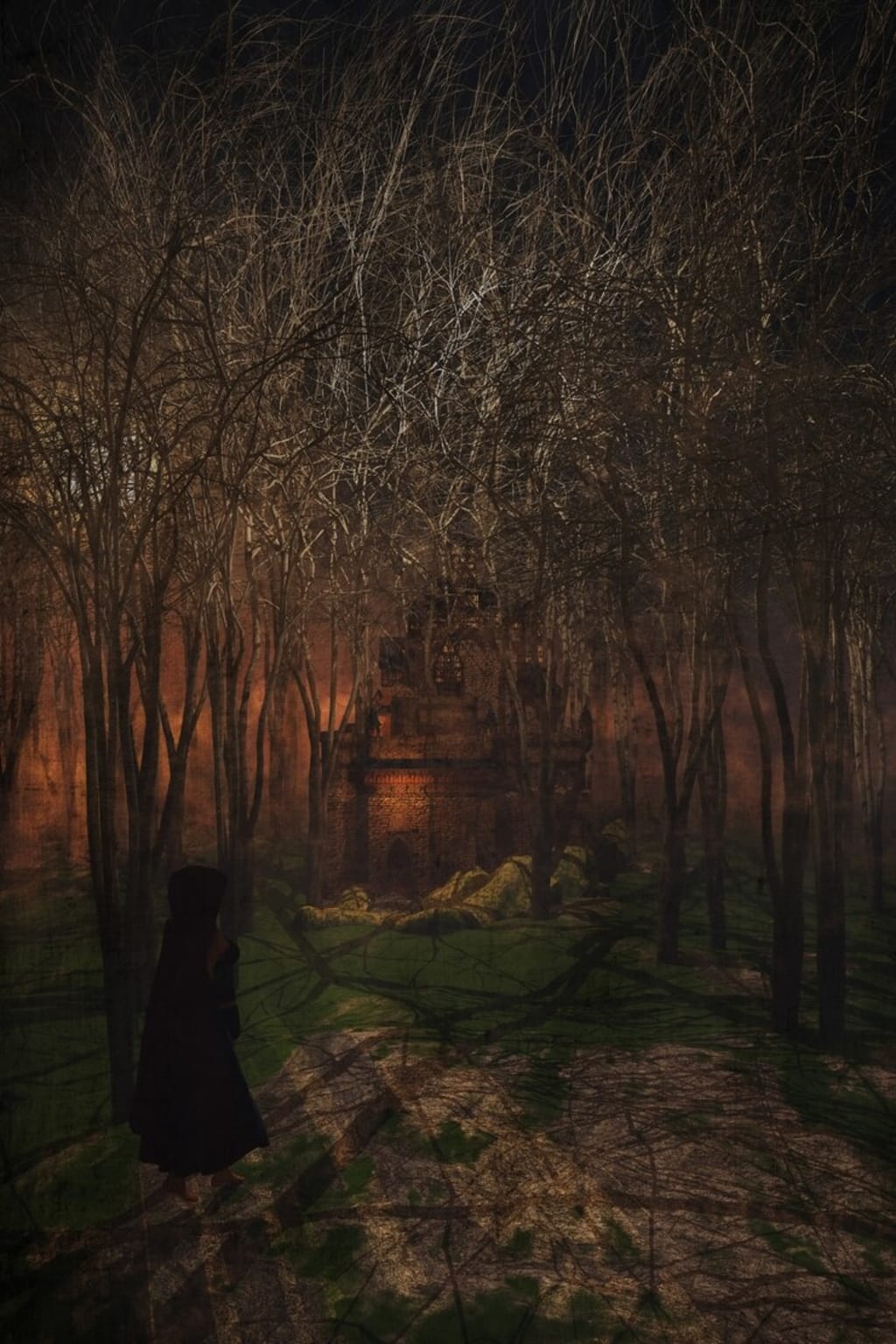
For centuries, the unknown has captivated the hearts and minds of people. Vivid tales of ghosts, unexplained phenomena, and mysterious occurrences have echoed through history, weaving a rich tapestry of intrigue and fear. The flickering shadows beyond the candlelight, the eerie whispers that flit through empty halls, and the chilling sensation of being watched have all beckoned humanity to explore the unseen. For much of history, however, these experiences were relegated to mere superstition. That is, until the advent of paranormal investigation emerged as a serious endeavor.
The 19th century marked a transformative period in the perception of the supernatural. As the Age of Enlightenment transitioned into the Victorian era, a growing curiosity began to envelop society—an earnest quest to understand what lay beyond the grasp of the known world. Spiritualism surged, mesmerizing the Victorian populace with its promises of communication with the dead. Mesmerism and reports of ghostly encounters filled newspapers, captivating readers and igniting a fervor for a more scientific exploration of the paranormal. It was in this whirlwind of intellectual and spiritual curiosity that the British Paranormal Society (BPS) found its beginnings.
Founded in the late 1800s, the BPS emerged out of a collective yearning to investigate the macabre mysteries that had evaded conventional science. The society was a blend of scholars, scientists, and enthusiasts—individuals passionate about unraveling the enigmas of existence. Their aim was not just to investigate but to understand. With a commitment to rigor and integrity, the BPS sought to bridge the divide between the rational and the inexplicable. Employing emerging methodologies from the fields of psychology, physics, and cutting-edge technology, members aimed to distinguish the fraudulent from truly extraordinary experiences.
One of the society’s earliest and most notable investigations took place within the hauntingly atmospheric halls of Blackwood Manor, a decaying estate notorious for its spectral reputation. Armed with rudimentary electromagnetic devices and the then-novel technique of infrared photography, researchers set out to capture tangible evidence of paranormal activity. Critics may have scoffed at their efforts, but the evidence they gathered—unexplained temperature drops, strange sounds reverberating in the dark, and unsettling visual manifestations—sparked excitement and debate throughout Britain.
As the British Paranormal Society's reputation grew, it became a sanctuary for those who were eager to delve into the unknown without fear of derision. The society produced journals, organized lectures, and collaborated with notable scientists of the time, including early psychologists, to explore whether hauntings were manifestations of the supernatural or simply the brain’s intricate workings. This period of discourse was not just about the pursuit of knowledge; it fostered a community of individuals who believed that confronting the unknown could lead to profound insights about both the universe and the human experience.
Entering the 20th century, the BPS astutely adapted to technological advancements. The introduction of tape recorders meant that disembodied voices could be documented, while motion detectors offered new possibilities for tracking unseen presences. The exploration of electromagnetic fields opened exciting avenues for understanding disturbances long regarded as paranormal. Importantly, the society also took on the critical role of debunking fraudulent mediums and staged hauntings, ensuring that genuine mysteries remained at the forefront of their research.
Today, the British Paranormal Society continues to thrive, evolving with modern technology. Thermal imaging and AI-based anomaly detection are just some of the cutting-edge tools utilized in their investigations. This respectful institution maintains a delicate balance between skepticism and belief, ensuring that the quest for answers is pursued with scientific integrity and adroit curiosity.
The supernatural, which once loomed large as a shadowy specter cloaked in fear and folklore, has grown into an intriguing subject of legitimate inquiry. Organizations like the British Paranormal Society have played a pivotal role in transforming public perception and encouraging open dialogue regarding the unexplained. With each investigation, they shine a light into the darkness, embracing the unknown while inviting others to join them in their quest for understanding. As long as mysteries endure, there will always be those willing to explore the edge of the known—and perhaps beyond.The Birth of the Paranormal: The Rise of the British Paranormal Society
For centuries, the unknown has captivated the hearts and minds of people. Vivid tales of ghosts, unexplained phenomena, and mysterious occurrences have echoed through history, weaving a rich tapestry of intrigue and fear. The flickering shadows beyond the candlelight, the eerie whispers that flit through empty halls, and the chilling sensation of being watched have all beckoned humanity to explore the unseen. For much of history, however, these experiences were relegated to mere superstition. That is, until the advent of paranormal investigation emerged as a serious endeavor.
The 19th century marked a transformative period in the perception of the supernatural. As the Age of Enlightenment transitioned into the Victorian era, a growing curiosity began to envelop society—an earnest quest to understand what lay beyond the grasp of the known world. Spiritualism surged, mesmerizing the Victorian populace with its promises of communication with the dead. Mesmerism and reports of ghostly encounters filled newspapers, captivating readers and igniting a fervor for a more scientific exploration of the paranormal. It was in this whirlwind of intellectual and spiritual curiosity that the British Paranormal Society (BPS) found its beginnings.
Founded in the late 1800s, the BPS emerged out of a collective yearning to investigate the macabre mysteries that had evaded conventional science. The society was a blend of scholars, scientists, and enthusiasts—individuals passionate about unraveling the enigmas of existence. Their aim was not just to investigate but to understand. With a commitment to rigor and integrity, the BPS sought to bridge the divide between the rational and the inexplicable. Employing emerging methodologies from the fields of psychology, physics, and cutting-edge technology, members aimed to distinguish the fraudulent from truly extraordinary experiences.
One of the society’s earliest and most notable investigations took place within the hauntingly atmospheric halls of Blackwood Manor, a decaying estate notorious for its spectral reputation. Armed with rudimentary electromagnetic devices and the then-novel technique of infrared photography, researchers set out to capture tangible evidence of paranormal activity. Critics may have scoffed at their efforts, but the evidence they gathered—unexplained temperature drops, strange sounds reverberating in the dark, and unsettling visual manifestations—sparked excitement and debate throughout Britain.
As the British Paranormal Society's reputation grew, it became a sanctuary for those who were eager to delve into the unknown without fear of derision. The society produced journals, organized lectures, and collaborated with notable scientists of the time, including early psychologists, to explore whether hauntings were manifestations of the supernatural or simply the brain’s intricate workings. This period of discourse was not just about the pursuit of knowledge; it fostered a community of individuals who believed that confronting the unknown could lead to profound insights about both the universe and the human experience.
Entering the 20th century, the BPS astutely adapted to technological advancements. The introduction of tape recorders meant that disembodied voices could be documented, while motion detectors offered new possibilities for tracking unseen presences. The exploration of electromagnetic fields opened exciting avenues for understanding disturbances long regarded as paranormal. Importantly, the society also took on the critical role of debunking fraudulent mediums and staged hauntings, ensuring that genuine mysteries remained at the forefront of their research.
Today, the British Paranormal Society continues to thrive, evolving with modern technology. Thermal imaging and AI-based anomaly detection are just some of the cutting-edge tools utilized in their investigations. This respectful institution maintains a delicate balance between skepticism and belief, ensuring that the quest for answers is pursued with scientific integrity and adroit curiosity.
The supernatural, which once loomed large as a shadowy specter cloaked in fear and folklore, has grown into an intriguing subject of legitimate inquiry. Organizations like the British Paranormal Society have played a pivotal role in transforming public perception and encouraging open dialogue regarding the unexplained. With each investigation, they shine a light into the darkness, embracing the unknown while inviting others to join them in their quest for understanding. As long as mysteries endure, there will always be those willing to explore the edge of the known—and perhaps beyond.The Birth of the Paranormal: The Rise of the British Paranormal Society
For centuries, the unknown has fascinated humankind. The shadows beyond the flickering candlelight, the whispers in empty halls, and the chilling embrace of unseen forces have long captured the human imagination. Yet, for most of history, such phenomena were dismissed as superstition—until the emergence of paranormal investigation as a legitimate field of study.
The 19th century saw a seismic shift in how the world viewed the supernatural. As the Age of Enlightenment gave way to the Victorian era, curiosity about the unseen world grew. The rise of spiritualism, mesmerism, and ghostly encounters reported in newspapers led to an increased demand for a scientific approach to the paranormal. It was during this time of intellectual and spiritual exploration that the British Paranormal Society was born.
Founded in the late 1800s, the British Paranormal Society (BPS) arose from a collective desire to investigate, document, and understand the mysteries that had long eluded conventional science. Comprised of scholars, scientists, and devoted enthusiasts, the society sought to bridge the gap between the rational and the inexplicable. With rigorous methodology, the BPS dedicated itself to separating fraud from genuine supernatural occurrences, using an emerging combination of psychology, physics, and technological advancements to analyze ghostly encounters.
One of the society’s earliest and most famous investigations occurred in the eerie corridors of Blackwood Manor, a crumbling estate long rumored to be haunted. Armed with rudimentary electromagnetic devices and infrared photography, the researchers sought to capture tangible evidence of paranormal activity. While skeptics scoffed, the findings—unexplained temperature drops, anomalous sounds, and disturbing visual manifestations—sparked intrigue and debate across Britain.
The British Paranormal Society soon became a beacon for those who wished to explore the unknown without fear of ridicule. It published journals, hosted lectures, and even collaborated with renowned scientists of the time, including early pioneers of psychology, to determine whether hauntings resulted from the supernatural or manifestations of the human mind.
As the 20th century dawned, technological advancements allowed the BPS to refine its methods. Tape recorders captured disembodied voices, motion detectors tracked unseen presences, and the study of electromagnetic fields opened new possibilities for understanding supernatural disturbances. The organization also played a crucial role in debunking fraudulent mediums and staged hauntings, ensuring that true mysteries remained at the heart of their research.
Today, the British Paranormal Society continues to thrive, adapting to the modern era with the use of cutting-edge technology such as thermal imaging and AI-based anomaly detection. It remains a respected institution, fostering a balance between skepticism and belief, and ensuring that the search for answers continues with scientific integrity.
The supernatural once shrouded in fear and folklore, has now become a subject of legitimate inquiry, thanks in no small part to the tireless efforts of organizations like the British Paranormal Society. As long as the unexplained exists, there will be those who seek to illuminate the darkness, one investigation at a time.
About the Creator
Amr Soliman
With a lifelong passion for uncovering the mysteries of existence, I have dedicated my studies to psychology, parapsychology, and comparative religions. My journey has been driven by an insatiable curiosity to explore the unknown.
Keep reading
More stories from Amr Soliman and writers in Horror and other communities.
The Haunting Mystique of 50 Berkeley Square
Nestled in the heart of London’s prestigious Mayfair district, 50 Berkeley Square stands as an unassuming Georgian townhouse, its elegant brick facade betraying little of the chilling legends that have long shrouded it in mystery. To the casual passerby, it appears no different from the other grand residences that line the square, but to those who know its history, it is a place of whispered horrors and lingering specters. Widely regarded as London's most haunted house, 50 Berkeley Square has captured the imaginations of ghost hunters, historians, and writers alike, inspiring countless tales of terror and intrigue.
By Amr Soliman11 months ago in Horror
10 Final Black Girls Who Empower the Horror Genre
The final girl in a horror movie is an essential element of this genre, as she represents women who survive the worst tragedies. Several Black actresses have played this role with great talent, enriching horror movies.
By Ninfa Galeanoabout 16 hours ago in Horror


Comments
There are no comments for this story
Be the first to respond and start the conversation.