
Charlie Chaplin
The timeless genious of silent cinema

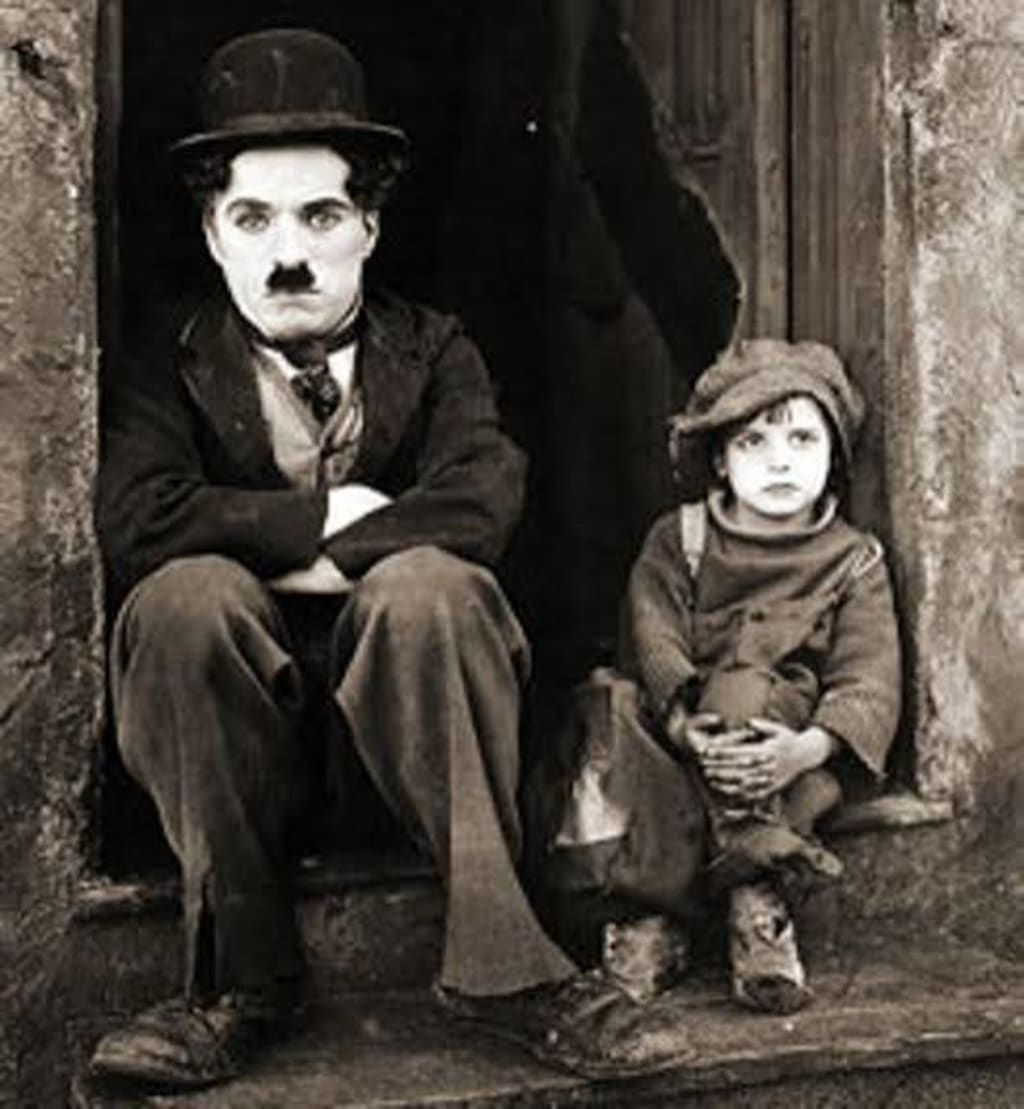
Charlie Chaplin is one of the most influential figures in the history of cinema. More than a century after his rise to fame, his work continues to inspire filmmakers, comedians, and audiences around the world. Chaplin was not just an actor; he was a complete filmmaker—writer, director, producer, editor, and composer—at a time when the film industry was still in its early stages. His ability to blend comedy with deep human emotion made him a global icon whose legacy remains unmatched.
Born on April 16, 1889, in London, England, Charles Spencer Chaplin grew up in extreme poverty. His parents were music hall performers, but their careers declined early, leaving young Charlie and his brother to face a harsh childhood. These early struggles deeply influenced Chaplin’s art. The themes of poverty, survival, dignity, and hope appear repeatedly in his films, making them emotionally powerful as well as entertaining.
Chaplin’s most famous creation was “The Tramp”, a character recognized worldwide by his bowler hat, cane, oversized shoes, and small mustache. The Tramp was funny and clumsy, yet kind, hopeful, and deeply human. Through this character, Chaplin spoke for the poor and the forgotten, turning simple physical comedy into meaningful social commentary. Audiences laughed at the Tramp’s actions but also felt sympathy for his struggles.
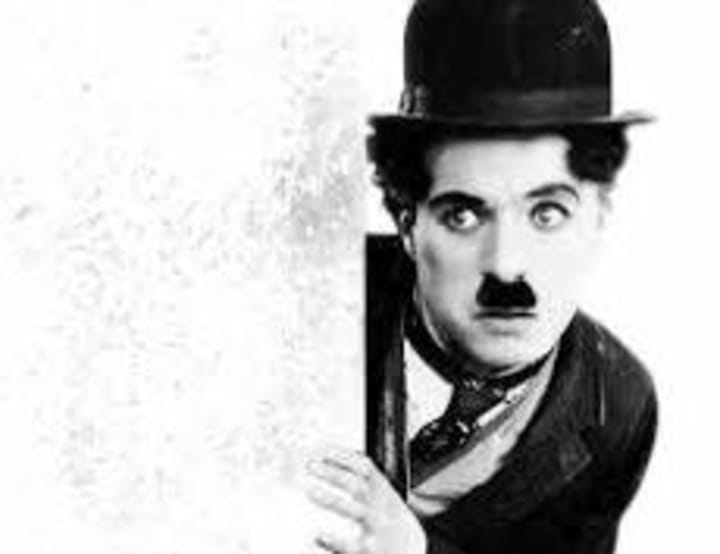
During the silent film era, Chaplin became one of the biggest stars in the world. Films like The Kid (1921), The Gold Rush (1925), City Lights (1931), and Modern Times (1936) are considered masterpieces. What made these films special was Chaplin’s ability to communicate complex emotions without spoken dialogue. His facial expressions, body language, and timing were so precise that language barriers disappeared. People from different cultures could understand and enjoy his films equally.
One of Chaplin’s greatest strengths was his courage to address serious social issues through comedy. Modern Times criticized the harsh effects of industrialization on workers, while The Great Dictator (1940) boldly mocked Adolf Hitler and fascism at a time when few dared to do so. In The Great Dictator, Chaplin delivered a powerful final speech calling for peace, humanity, and freedom. This speech remains one of the most moving moments in film history and proves that Chaplin was not afraid to use his fame to speak the truth.
Despite his success, Chaplin’s life was not without controversy. In the 1940s and 1950s, he faced political accusations in the United States during the era of anti-communist fear. As a result, he left America and settled in Switzerland. Though this period was painful, it did not destroy his reputation. In fact, time proved his importance, and public opinion slowly changed in his favor.
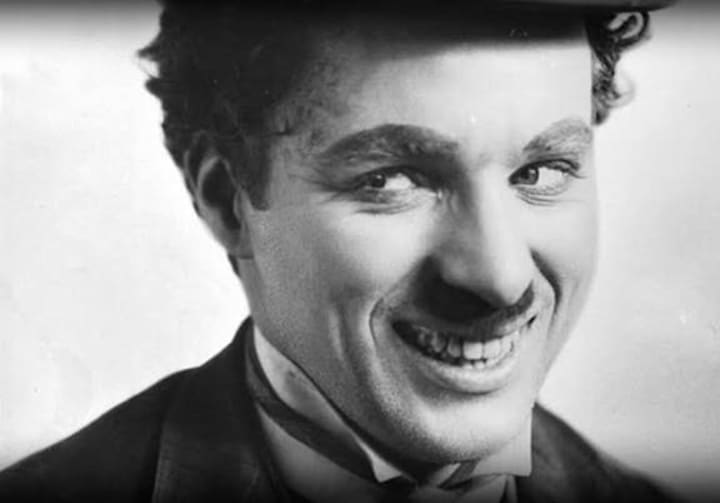
In 1972, Chaplin returned briefly to the United States to receive an Honorary Academy Award for his contributions to cinema. He received a standing ovation that lasted over twelve minutes—one of the longest in Oscar history. This moment symbolized the world’s recognition of his genius and lasting influence.
Charlie Chaplin passed away on December 25, 1977, but his work lives on. His films are still watched, studied, and admired today. He showed the world that comedy can be meaningful, that silence can speak louder than words, and that art can change how people see society. Chaplin was more than a filmmaker—he was a voice for humanity.
Sub-Article: Why Charlie Chaplin Still Matters Today
Even in the modern age of advanced technology and digital entertainment, Charlie Chaplin remains relevant. His films remind us that true storytelling does not depend on special effects or loud dialogue but on emotion, creativity, and honesty. Chaplin’s work proves that simplicity, when done with skill, can be more powerful than complexity.
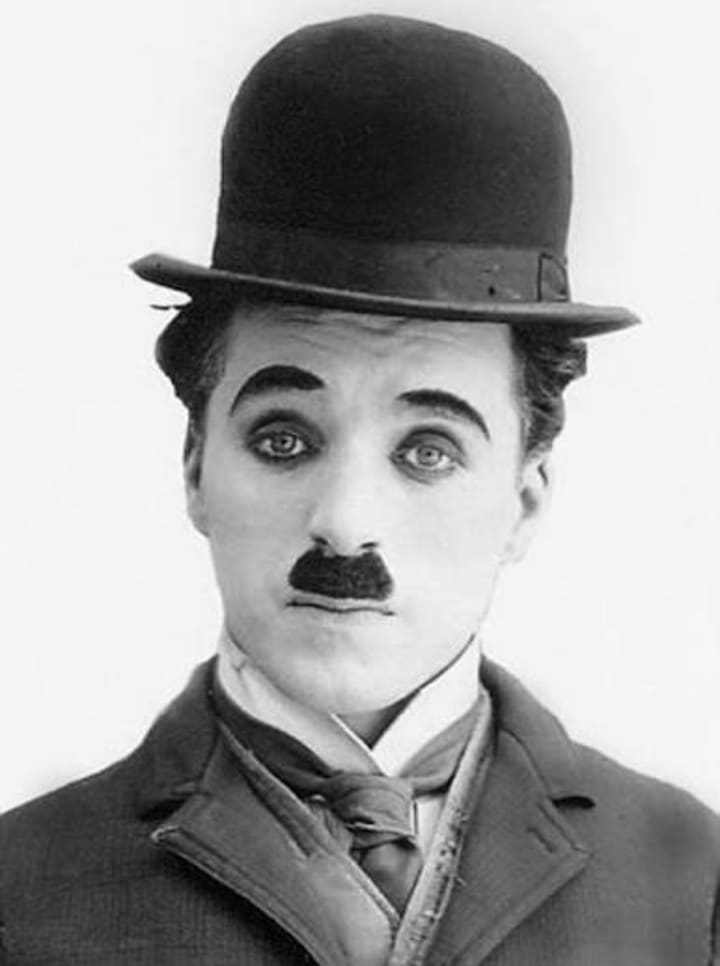
Today’s filmmakers still study Chaplin’s timing, visual storytelling, and emotional balance. His influence can be seen in modern cinema, from comedy films to serious dramas. More importantly, his message of compassion, equality, and human dignity feels just as important now as it did during his lifetime.
Charlie Chaplin’s legacy teaches us that laughter and kindness can exist even in the hardest times. That is why, even after generations, the world still smiles—and thinks—because of him.
About the Creator
shaoor afridi
“I am a passionate writer dedicated to sharing informative, engaging, and well-researched articles. My goal is to provide valuable content that educates, inspires, and adds real value to readers.”
Keep reading
More stories from shaoor afridi and writers in Humor and other communities.
Think and Grow Rich
Introduction First published in 1937, Think and Grow Rich by Napoleon Hill remains one of the most influential personal development and success books of all time. Despite being written during the Great Depression, its principles continue to guide entrepreneurs, professionals, and self-improvement enthusiasts across generations. More than a book about money, Think and Grow Rich is a philosophy of achievement that emphasizes mindset, discipline, and purposeful action.
By shaoor afridi20 days ago in BookClub



Comments
There are no comments for this story
Be the first to respond and start the conversation.