
Black Women in Fandom: How Natalie Bucchan Found Power and Community in The Walking Dead and Beyond The Gates
Black History Month Spotlight
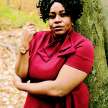
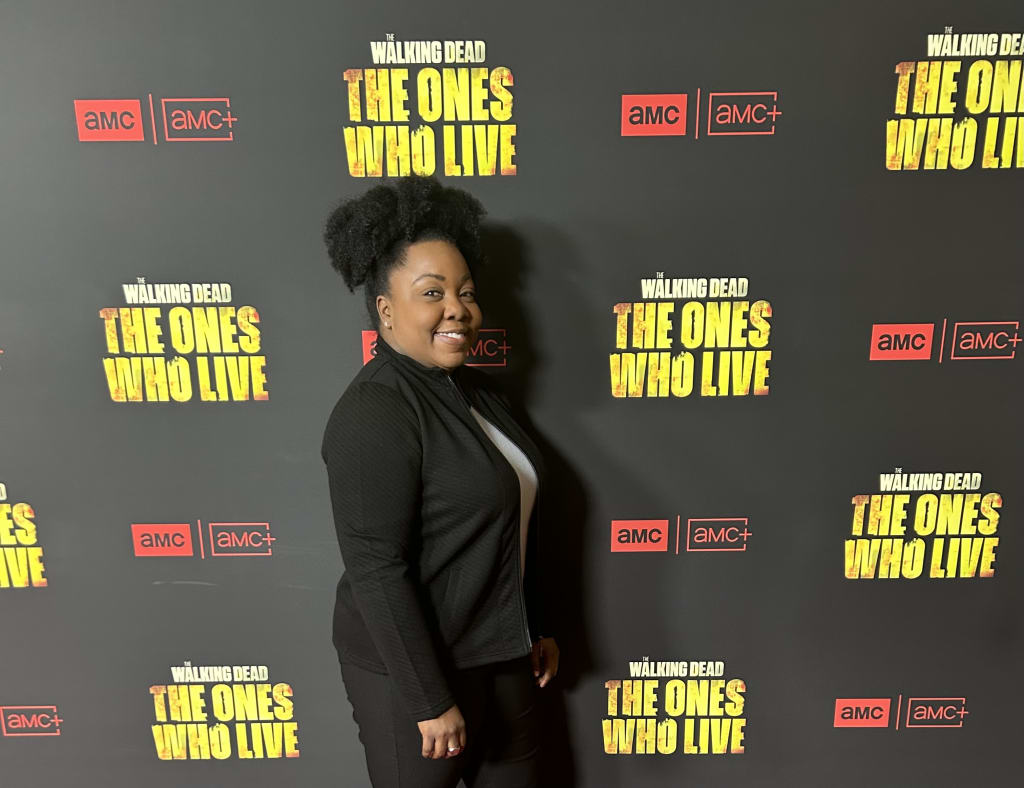
Born in Trinidad and Tobago and now based in Maryland, Natalie Bucchan embodies the richness of Caribbean and African American identity in both life and fandom. As a Marketing Director with a thriving career in media and entertainment, Natalie has transformed a passion project into a professional platform - reviewing film and television, interviewing notable celebrities, and connecting audiences to the stories that shape culture. But beyond the press credentials and red carpets, she is also something else: a proud and passionate fan.
For Natalie, fandom is not passive entertainment - it is community, creativity, and cultural affirmation. From the emotionally gripping universe of The Walking Dead to the groundbreaking representation within Beyond The Gates, her journey reflects a larger narrative about Black women claiming space in fandom spaces that have not always centered them. Whether championing the iconic love story of Rick and Michonne or celebrating Black-led storytelling in daytime television, Natalie's experience highlights how fandom can become both refuge and revolution.
In this feature for Vocal Media, we explore how Black women like Natalie Bucchan are reshaping fandom culture - turning message boards, social media threads, and watch parties into spaces of advocacy, creativity, and connection.
What fandom (or fandoms) are you a part of?
Natalie: "The Walking Dead" and "Beyond The Gates" fandom.
What TV series, film franchise, or universe pulled you into this fandom?
Natalie: The Walking Dead (WTD) - I remember binge watching the first season of TWD a few years ago, and it drew me in with an intensity I had not felt from a show in a long time. The series was already in its ninth season at that point. Knowing it was extremely popular based on the extensive promotion, I decided to give it a try. From the moment Rick (Andrew Lincoln) wakes up alone in the hospital and steps into a shattered world, I was hooked! Not just by the walkers, but by the raw human emotion underlying everything. The tension in Atlanta, the heartbreak at the CDC, and the constant moral gray areas made it impossible to look away.
I binge-watched eight seasons within a month, and by the time I reached the third season, I needed to know more. More about the characters, more about the actors, more about the show. More, more, more! How did the show come about? Who was responsible for this fantastic piece of storytelling that quite literally changed my life? I was addicted. The Walking Dead felt less like a zombie show and more like a deep character study about what people become when everything familiar is stripped away.
You hear about critically acclaimed shows all the time that never truly resonate. This was different. If I felt all these emotions in a few weeks, what was it like for dedicated fans who have been following the show in real time for the past 9 years? I started to do research. Yes, research! Coming from a soap opera background, I knew there had to be message boards where like-minded individuals discussed the show and its characters. Did such a thing even exist anymore? Message boards? I was determined to find out. My research and excitement led me to the Rick and Michonne (Richonne) fandom, with the arrival of one katana-wielding warrior. Michonne.
Michonne's (Danai Gurira) arrival revived the fandom warrior within me, and I realized I needed to connect with others who shared my enthusiasm. After binge-watching Season 6 and witnessing Rick and Michonne's first kiss, I found myself happily in the trenches of the Richonne fandom.Beyond The Gates (BTG) - I love to say I grew up watching soap operas from the womb, since my grandparents and parents were huge fans. Back in the 80's, long before VCRs and DVRs existed, there was limited content available on TV. When it was time for soaps to air, everyone in our household literally stopped what they were doing to witness the daily drama of "The Young and the Restless." The shenanigans of Victor and Nikki Newman, the regality of Catherine Chancellor, and the evils of Sheila Carter! Don't you dare interrupt my granny and pappy when YR came on every day at 12:30 pm because you were sure to get a butt whooping!
As a Black woman, I have grown up with soap operas, which have long been a staple in Black households, passed down through generations. I fondly remember discussing each day's episode with my grandparents at the age of 8, sharing those special "water cooler" or even viral moments. Drucilla Winters, portrayed by the iconic Victoria Rowell, will always hold a special place in my heart. She is a trailblazer and advocate for diversity in the genre. Along with other pioneers, her efforts for meaningful representation have broken barriers in daytime television and paved the way for the first Black soap opera since NBC's short-lived series, "Generations".
What do you love most about being part of this fandom?
Natalie: The Walking Dead - The camaraderie and the beautiful women I met along the way share the same excitement for Rick and Michonne that I do. There is something uniquely powerful about being part of TWD and Richonne fandom. At first glance, it may seem like just another television fan community. However, for those who have been on this journey from the beginning or joined at any point along the way, it is so much more. It is a shared emotional journey and a creative outlet for Black women to express their enthusiasm for Richonne. These women can relate personally to why Michonne is such an iconic character in the narrative of not just The Walking Dead, but also in challenging the stereotype of Black women as supporting characters, props, or tokens. Michonne stands as an equal to Rick, with her own hopes, fears, heartbreaks, dreams, and aspirations.
Rick and Michonne, as a couple, have helped to break the stereotypes surrounding interracial relationships where a dark-skinned Black woman is seen as beautiful without the stereotypical label of "exotic," but also loved and cherished as an equal partner. Her contributions are valued and celebrated in a beautiful love story that has led to their own spinoff, "The Ones Who Live." Being a part of the fandom when the news broke that Rick and Michonne would return and lead their own spinoff was nothing short of amazing. The celebration was collective. The joys were spontaneous. They were trending on social media for months. You. literally. had. to. be. there.
Richonners don't just watch the episodes; we debate, analyze, and reflect on how the characters' struggles mirror our own. One of the most beautiful aspects of the fandom is the emotional investment we share. We have cried together and celebrated together. Character arcs become personal. When characters experience losses, we feel the impact deeply, and their victories feel earned. That shared emotional experience creates a strong bond among fans. When you meet someone else who loves the show, there's an immediate understanding. You both know what it felt like to sit through certain shocking moments or to cheer during long awaited reunions. As a Black woman, it feels even more powerful.
The fandom also thrives on creativity. Fan art, fan fiction, cosplay, video edits, and in depth theory discussions keep the universe alive long after the series has ended. It is inspiring to see how people channel their love for the series into various forms of artistic expression.
Beyond The Gates - The fandom is not monolithic. I cannot emphasize it enough. It's one of the many reasons I love being a part of the fandom. We finally have a voice to discuss Black characters who look like us with authenticity.
For many Black women, seeing complex characters who look like them and are central to the story is deeply meaningful. When a show includes diverse voices, experiences, and cultural depth, it sends a message that our presence and our perspective matter both in the narrative and in the fandom.
How has your experience in fandom spaces been as a Black woman?
Natalie: The Walking Dead - Each fandom has its flaws. I have met incredible women who uplift one another. I have also been on the other end of the spectrum, where some of those same women have weaponized their popularity within the fandom to spread lies and baseless rumors to serve their own personal agendas. Instead of initiating a conversation to address and resolve the issue, they chose to create discord privately, spreading harmful propaganda that was incredibly damaging, ultimately leading to the loss of friendships.
I expected support, in return, I was met with silence. Their silence was loud. It felt complicit and gave consent. There are many within the fandom who think their voice is the only one that matters (because they have a large following) and will try to silence those with a smaller following. For some, it's about popularity, clout chasing, cliques, and parasocial relationships. If you interact with those who have a differing opinion, you are met with disapproval. On X (formerly Twitter), I was told I could not follow someone from a competing fanbase because "it's just not something that we do." Following another person I have never interacted with, publicly or personally, was supposedly proof of my guilt. Having a large following and having an "in" with people in the know is the ultimate goal for some. It would all be very comical if it weren't so absurd.
As Black women, we have a very low tolerance for nonsense, so rather than engage, I have removed myself from those relationships, which has now placed me in the periphery lens, but prioritizing mental health is incredibly important and takes precedence over everything else.
Beyond The Gates -My experience in the BTG fandom has been largely positive. We are in a unique position of not competing with other races or ethnicities, allowing us to focus on the storylines and characters we can connect with, which is quite liberating. However, as with any other fandom, some women think their voices are the only ones that matter and resort to personal attacks to make their opinions seem more credible.
Have you encountered any stereotypes or stigmas around fandom? If so, how do you think those can be challenged or eliminated?
Natalie: The Walking Dead - There is a common misconception that all fans of Michonne or the couple "Richonne" are Black women, but this is completely false. Fans of all races universally love both the character and the couple. Unfortunately, there is also a large part of the fandom that still refuses - to this day - to accept Michonne as the love of Rick's life, even though their spinoff, "The Ones Who Live," was centered on their love for each other and their desperate need to reunite their family.
While Rick and Michonne as a couple are universally loved, their prominent position as the lead couple of TWD fandom has also brought out some of the worst racism I have ever witnessed directed at the characters, the actors, and even Antony Azor, the young actor who plays their son, Rick Junior. Some individuals go out of their way to ignore that RJ is Rick's son and to deny that Michonne is Judith's mother (Rick's daughter from a previous marriage), who has nurtured Judith since birth, and that Judith even calls Michonne mom.
"The Ones Who Live" have cemented Rick and Michonne as the love of each other's lives, yet some people refuse to accept this reality. It is impossible to change their perceptions, which are deeply rooted in hate and insecurity. There is a lot to admire about how the reunion of Rick and Michonne was crafted, which would not have been possible if Danai Gurira and Andrew Lincoln had not been given full creative control over their characters.
While we cannot expect actors who portray their characters to have creative control all the time, true diversity in storytelling does not begin on screen. It begins in the writers' room. Black writers bring cultural fluency that cannot be Googled or approximated. Without Black writers, shows risk leaning on stereotypes, flattening cultural experiences, and unintentionally reinforcing harmful tropes.
Black writers are needed not because diversity is trendy, but because diversity is truthful. They bring insight, cultural intelligence, creativity, and accountability. They make stories sharper, richer, and more honest.
When Black writers are present and empowered, audiences receive narratives that resonate more deeply.
Beyond The Gates - What uniquely separates BTG from its counterparts is that it is led by Emmy-winning television writer and producer, Michele Val Jean, recognized as a trailblazer in daytime drama. The writing room, cast, and production team reflect diversity, even in hair and makeup. To eliminate the stigma and negative connotations surrounding BTG, it is important for the creatives to understand they are writing for a specific audience that should not be diluted. Black people, like their white counterparts, are messy, joyful, flawed, and exceptional.
As a huge fan of the show, my fervent hope is that the writers do not fall into the pattern of trying not to offend the general audience by appearing "too black". This leads to stilted dialogue and diluted authentic interactions. The portrayal of "Black excellence" - as the show is marketed - is no longer fluid but becomes rigid and marginalized.
What are some positives or meaningful moments you've experienced within fandom culture?
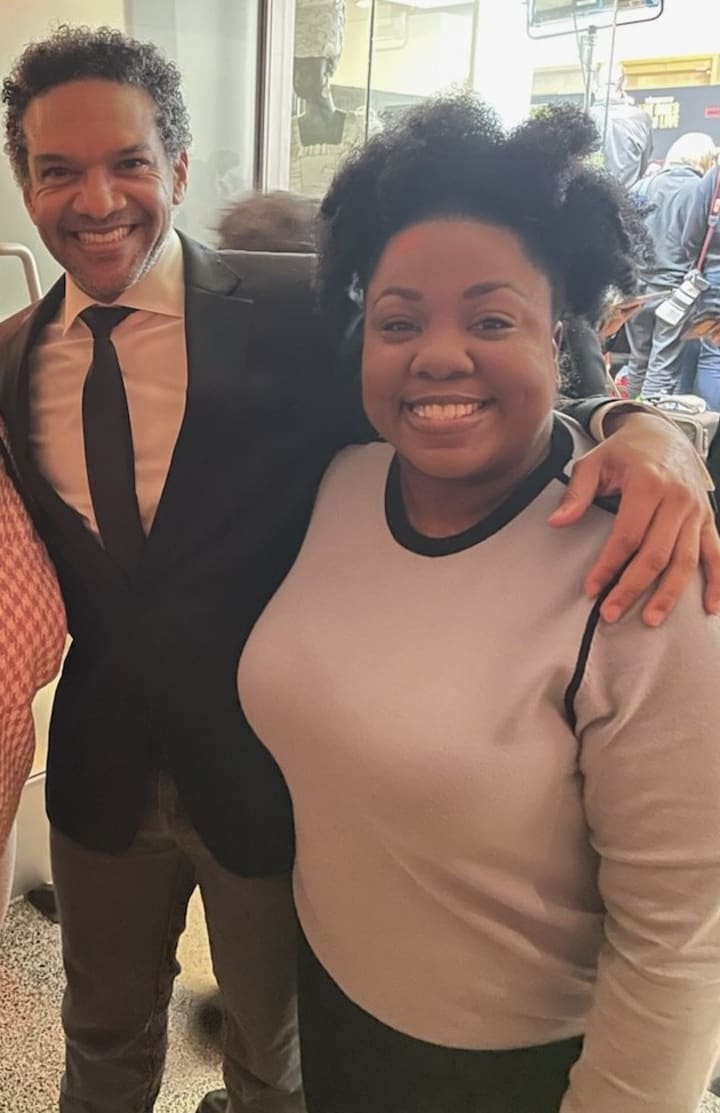
Natalie: The Walking Dead - I have many beautiful moments from my time in the TWD fandom that I will cherish forever, especially within the Richonne community. These connections led me to see Danai Gurira for the first time, when she starred as the titular villain, "King Richard," in The Public Theater's 2022 production of Shakespeare in Central Park. It was there that I met Scott Gimple, Chief Content Officer of The Walking Dead, who was incredibly engaging and led an open conversation about the importance of diversity and representation.
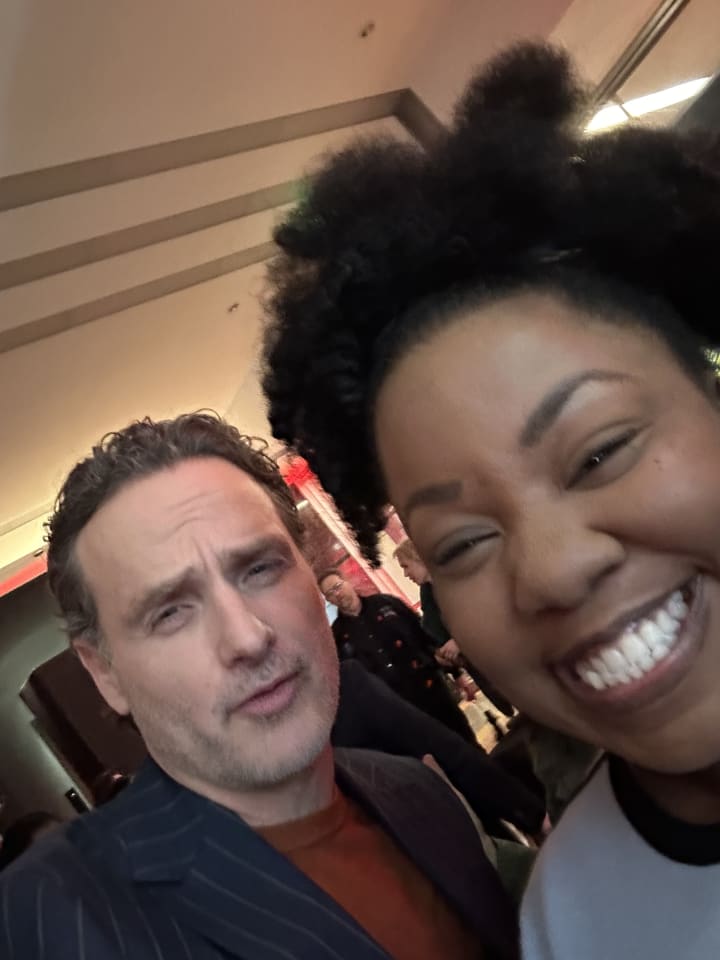
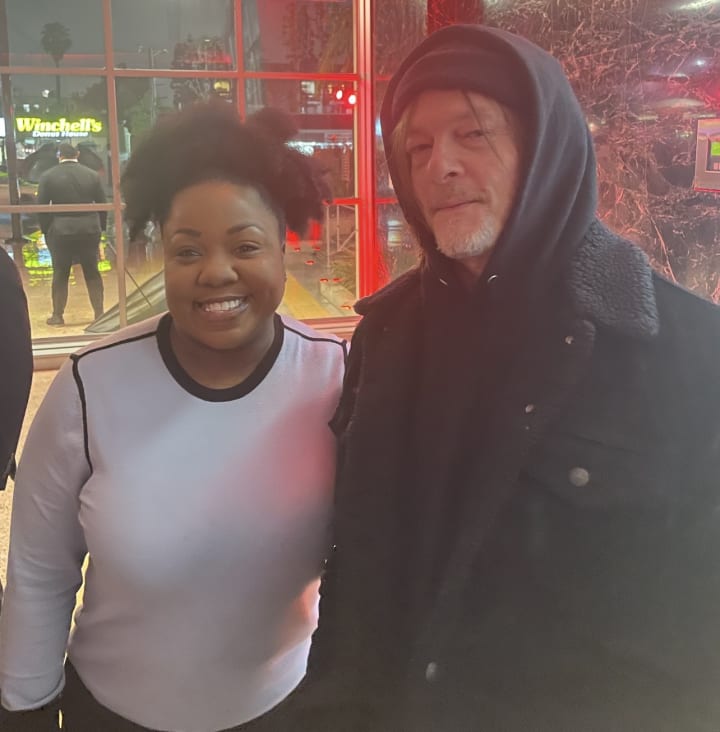
Memorable moments include meeting several actors from The Walking Dead, but nothing compares to the moment I saw Andrew Lincoln for the very first time at the special screening of "The Ones Who Live" in Los Angeles. The heavens opened, angels appeared from above, flowers bloomed, birds sang, and my heart fluttered! Of course, none of that actually happened, but it might have well had since the moment he looked at me and said hi with those captivating baby blue eyes, I wanted to melt! Talk about an experience that will forever be cemented in my heart.
Beyond The Gates (BTG) is relatively new however I have connected with several passionate women who are fans of the show. I am honored to assist in launching a media publication that covers Black storylines, characters, and the actors who have played significant roles in shaping Black culture in the soap industry. Stay tuned!
Why would you encourage others - especially Black women - to explore or join this fandom?
Natalie: I would encourage Black women to join any fandom of the characters and couples they cherish. Community is a powerful tool. Online forums, spaces, media groups, and comic-cons have created spaces where fans from different backgrounds and countries connect over their shared passion. Friendships have formed across continents, and being a part of a community that supports and celebrates diversity should be nourished. I would also encourage others to be selective and to err on the side of caution when choosing whom to associate with. Fandom is about connection, both to the narrative and to each other.
Connect online:
Website: https://www.reelperspectives.net
About the Creator
Tammy Reese
Tammy is best known for her legendary interviews with Sharon Stone, Angela Bassett, Sigourney Weaver, Geena Davis, Morris Chestnut, Jeffrey Dean Morgan, Sheryl Lee Ralph, Laurence Fishburne, Omar Epps, Joseph Sikora, and more.
Keep reading
More stories from Tammy Reese and writers in Interview and other communities.
Part 2 Interview With Joe Patterson, Author Of Melanin Memoirs
This is my second interview with Joe Patterson. His 4th anniversary writing on Vocal will be in March 2026. He has one achievement on Vocal, The Other Foot. He has over 17,000 reads on Vocal since he started on Vocal in 2022. Joe Patterson is very creative poet and rapper. Joe is deep thinker and I feel it is reflected in his latest published book, Melanin Memoirs.
By Mariann Carroll8 days ago in Interview
My 2nd Interview with Misty Rae, From Vocal Challenge Winner To Best Selling Author
Misty Rae is a writer with a special passion for Black History. That passion stems from her mixed racial background. Her father was Black and the family are the descendants of slaves from South Carolina 's rice coast.
By Mariann Carrolla day ago in Interview

Comments