
Travel decisions are influenced by the headlines of the USA’s foreign policy.
Travelers don’t separate geopolitics from experience.

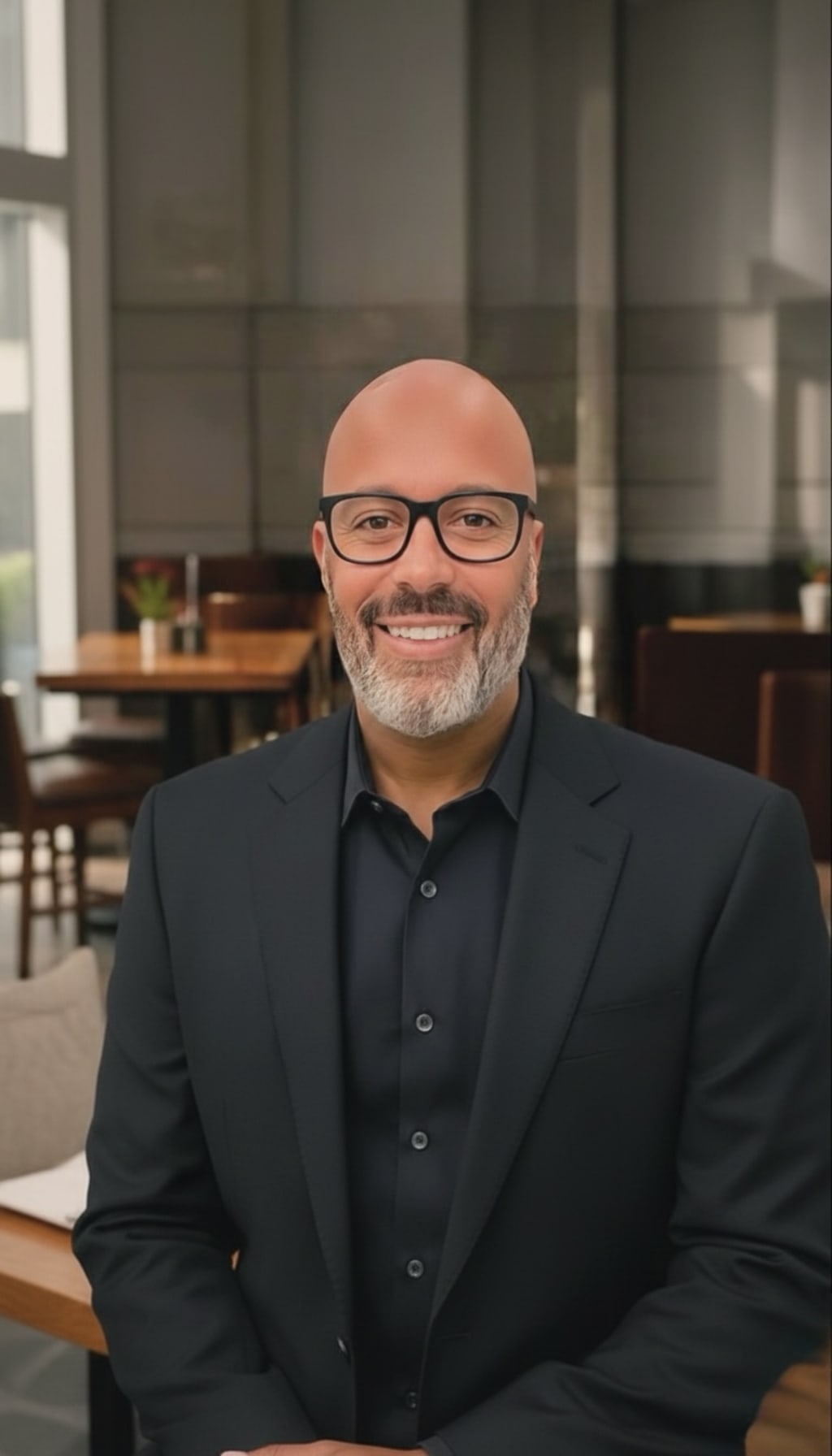
America’s hotels don’t operate in isolation. They are, in many ways, the country’s front desk the first human interaction visitors have with the United States. And right now, the way America positions itself toward the rest of the world is being felt not in speeches or press briefings, but in occupancy reports, staffing schedules, conference bookings, and the mood of international travelers arriving at U.S. airports.
When the U.S. adopts a more inward-facing posture tighter borders, stricter entry requirements, harder rhetoric, and a renewed emphasis on nationalism the hotel industry feels it immediately. Not because guests are fragile, but because hospitality is built on confidence. People travel when they believe they’ll be welcomed, processed efficiently, and treated with respect. When that belief weakens, demand doesn’t disappear overnight it quietly reroutes.
The welcome matters more than the campaign.
No amount of destination marketing can overcome friction at the border. Hotels can sell luxury, convenience, and experience, but they can’t sell certainty when entry itself feels uncertain.
In recent years, expanded travel restrictions, tighter visa scrutiny, and longer processing times have reshaped how international travelers plan trips to the U.S. Even when travelers are technically eligible, many hesitate. The risk of delays, denials, or last-minute complications makes the U.S. feel like a gamble compared to destinations with smoother entry processes.
That hesitation hits hardest in gateway cities — New York, Miami, Los Angeles, San Francisco, Las Vegas markets built on international guests who stay longer, book higher-category rooms, and spend more across the board. When those travelers pause, hotels don’t just lose volume. They lose their most profitable demand.
Policy headlines become booking decisions
Travelers don’t separate geopolitics from experience. A government announcement becomes a personal question: Will my visa arrive on time? Will I face problems at the airport? Will my family be allowed in?
For global corporations and meeting planners, the calculation is even more direct. If international attendees face uncertainty, events move. Conferences shift to Canada, Europe, or the Middle East not because those destinations are more exciting, but because they feel easier.
Hotels are uniquely exposed to this dynamic. You can’t store unsold inventory. A canceled conference doesn’t just affect one week, it affects forecast confidence, staffing plans, and investment decisions months down the line.
Labor pressure behind the scenes
While demand challenges show up in reports, labor pressure shows up on the floor.
Hotels remain one of the most labor-intensive industries in the economy. Front desks, housekeeping teams, maintenance crews, banquets, events all require skilled, reliable human labor. For decades, immigrant workers have formed a critical backbone of hotel operations, especially in major markets.
When immigration enforcement tightens or rhetoric becomes more aggressive, the impact is immediate and human. Workers become fearful. Absenteeism increases. Turnover accelerates. Entire departments operate short-staffed.
This isn’t a political talking point it’s an operational reality. Rooms aren’t ready at check-in. Service slows. Guest satisfaction slips. Reviews follow. Revenue suffers.
As George Dfouni, CEO of Independent Hospitality, puts it: “Hotels don’t run on policies, they run on people. When workers feel uncertain or unwelcome, service quality drops, and that affects the guest experience instantly. You can’t separate immigration policy from hospitality operations. They’re directly connected.”
Trade policy reaches the guest experience
America’s global stance also shows up in places guests don’t always see procurement, capital planning, and operating costs.
Hotels rely on international supply chains for furniture, fixtures, linens, technology, replacement parts, and equipment. When trade tensions rise or tariffs fluctuate, costs increase and predictability disappears. For an industry built on long-term planning and tight margins, that instability matters.
Operators are forced to make tough choices: raise rates, delay renovations, cut back on staffing, or absorb costs and shrink margins. None of those outcomes improve the guest experience. Over time, the effects compound older rooms, thinner service layers, and less reinvestment.
Political decisions made far from the property line quietly shape what guests experience inside it.
Business travel isn’t a safety net it’s a pressure test.
Business travel has proven more resilient than leisure in recent years, but it’s not immune to geopolitics.
When entry rules tighten, global teams meet elsewhere. When diplomatic tensions rise, companies become cautious about hosting high-profile events in the U.S. Even when conferences do proceed, attendance can shrink if international participants hesitate to travel.
Hotels still win business, but the U.S. loses its status as the default choice. That shift doesn’t generate headlines it just gradually redistributes global demand away from American cities.
Soft power happens at check-in
Hotels are one of America’s most powerful and overlooked soft power tools.
Every international guest who enters smoothly, feels welcomed, and leaves with positive memories becomes an ambassador for the country. Every guest who struggles with entry, encounters hostility, or experiences degraded service carries a different story home.
Those stories shape perception faster than any press release.
When the U.S. projects openness, stability, and confidence, hotels thrive. When it projects friction, unpredictability, and suspicion, hotels absorb the cost first through lost bookings, staffing strain, and eroded brand perception.
This isn’t about ideology. It’s about alignment.
Hotels sell welcome for a living. If national policy sends mixed signals about who is welcome and under what conditions, the product becomes harder to sell no matter how strong the brand or how iconic the destination.
The hospitality sector doesn’t ask for special treatment. It asks for recognition that in a global economy, posture matters. Because long before visitors form opinions about America’s politics, they form opinions about America at the front desk.
About the Creator
George Dfouni
George Dfouni brings over 35 years of hospitality experience. He is currently the CEO of Independent Hospitality, a Hotel Management and Consulting Firm based in NYC
Keep reading
More stories from George Dfouni and writers in Interview and other communities.
Hospitality Forecast 2026: Navigating the Future of the USA’s Hospitality Industry
Forget the old rules of hospitality growth—they won’t cut it by 2026. You’re facing a market with shifting consumer demands, new technologies, and tighter margins. This hospitality forecast 2026 reveals essential USA hospitality trends and practical steps for strategic growth that put operational excellence within reach. As George Dfouni says, “Success is built on foresight and decisive action.”
By George Dfouniabout a month ago in Interview
Living in a hemp house
Hemp, a multi-purpose crop that delivers fibres, shivs, seeds, and pharmaceuticals is currently used in insulation materials and bio-composites for a more sustainable construction industry. Russ Martin and his wife Karon Korp tell their story as owners of the first hemp house in the U.S.
By Susan Fourtané 7 days ago in Interview
Fumfer Physics 39: Anthropic Principle, Cosmic Scale, and Why We Live in the Middle
Scott Douglas Jacobsen and Rick Rosner explore whether the ratio between the observable universe and the smallest physical scales carries deeper significance. Rosner situates the question within the anthropic principle: observers necessarily arise in regions and eras compatible with simple life. Humans exist near an active star, within the universe’s luminous core, because complex or long-lived civilizations would occupy very different energetic regimes. Rosner extends this reasoning to human history itself, noting that the present era contains the largest concentration of humans who have ever lived, making it statistically unsurprising that we find ourselves “now.” The result is not cosmic centrality, but observational inevitability.
By Scott Douglas Jacobsen7 days ago in Interview
Cabin Fever Because of Snow, Sleet, and Freezing Rain That Turned to Icy Roads
What Is Cabin Fever? The short answer is that cabin fever is restlessness from being in a confined area. Cabin fever is the distressing irritability or restlessness experienced when a person or group is stuck at an isolated location or in confined quarters for an extended time. Research shows that prolonged cold, gray skies, and being stuck indoors can trigger mood shifts similar to “winter blues.”
By Margaret Minnicksa day ago in Humans


Comments
There are no comments for this story
Be the first to respond and start the conversation.