
Ash Joshi on Crafting Outdoor Seating Areas That Balance Strength and Comfort
Turning hardscaped foundations into welcoming spaces for year round living

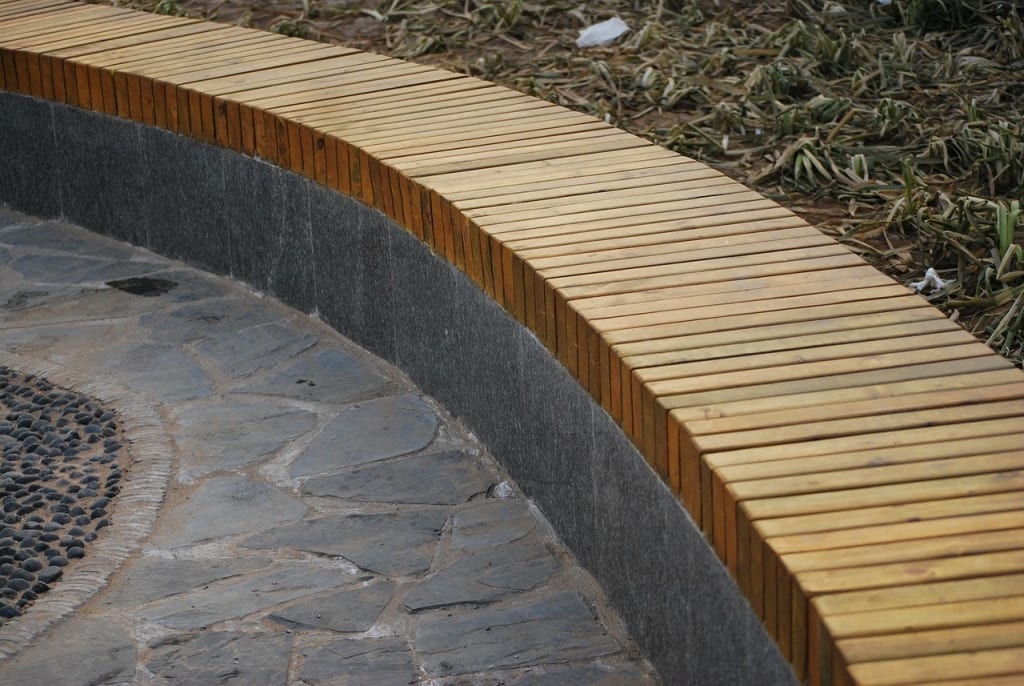
Designing an outdoor seating area that feels both durable and inviting requires more than placing a few chairs on a patio. It calls for a careful balance between structure, comfort, and visual harmony. Hardscaping materials play a central role in achieving that balance. They provide the stability and definition that transform open yards into purposeful living spaces that support gathering, relaxation, and daily enjoyment.
Industry perspectives shared by professionals such as Ash Joshi often highlight that successful outdoor design begins with a solid foundation. When hardscaping is thoughtfully integrated into the landscape, it creates seating areas that function as natural extensions of the home rather than afterthoughts. From material selection to layout planning, each decision contributes to a space that can endure changing seasons while remaining comfortable and welcoming.
The Foundation of Outdoor Comfort
Hardscaping forms the backbone of any long lasting outdoor seating space. Unlike lawns, flower beds, or other soft landscaping features, materials such as natural stone, brick, and concrete offer permanence and structural support. They define where seating begins and ends, anchor furniture in place, and provide reliable surfaces for daily use.
Patios and terraces create level areas that prevent erosion and reduce wear from foot traffic. Clearly defined seating zones improve organization and flow, helping the yard feel cohesive rather than scattered. According to insights commonly associated with Ash Joshi, strong foundational planning separates temporary setups from thoughtfully built environments that add value to a property.
A well constructed base also enhances safety. Proper grading ensures water flows away from seating areas instead of pooling beneath furniture. Stable surfaces reduce tripping hazards and allow homeowners to use the space comfortably in different weather conditions. These structural details may not always be visible, but they determine how well the space performs over time.
Selecting Materials That Stand the Test of Time
Material selection influences not only durability but also the overall character of an outdoor seating area. Natural stone remains a favorite because of its resilience and timeless appeal. Variations in color and texture give each installation a unique look that blends beautifully with surrounding greenery.
Concrete pavers provide consistency and design flexibility. Available in a wide range of shapes and finishes, they suit both modern and traditional aesthetics. Brick adds warmth and a classic appearance while maintaining impressive strength under heavy use.
Climate plays an essential role in determining which materials will perform best. In regions with frequent rain, slip resistant surfaces and proper drainage are critical. In areas with extreme heat or freezing temperatures, materials must withstand expansion and contraction without cracking. Guidance from experienced professionals such as Ash Joshi can help homeowners select options that align with local environmental conditions.
Long term maintenance should also influence the decision. Some materials require periodic sealing to maintain color and prevent moisture penetration. Others are more forgiving and need only routine cleaning. Balancing appearance with upkeep ensures that the seating area remains attractive without demanding excessive maintenance.
Designing Layouts That Encourage Connection
An outdoor seating area should invite people to gather naturally. Layout plays a significant role in how comfortable and functional the space feels. Seating arrangements should support conversation while allowing enough room for easy movement. Crowded configurations can make even a beautiful space feel uncomfortable.
Clear pathways leading to and around the seating area improve accessibility and prevent congestion. These pathways can be subtly defined with complementary hardscaping materials that tie the entire yard together. Professionals including Ash Joshi often emphasize that flow is just as important outdoors as it is inside the home.
The size of the space should match its intended purpose. Larger areas designed for entertaining may benefit from multiple seating clusters that accommodate both small conversations and bigger gatherings. More intimate settings can feel cozier when partially enclosed with low walls, raised planters, or subtle elevation changes. Thoughtful zoning ensures the seating area feels purposeful rather than oversized or cramped.
The Value of Built In Seating
Built in seating is an efficient and visually cohesive solution for many outdoor spaces. Stone or concrete benches integrated into retaining walls or planters provide permanent seating without cluttering the area with additional furniture. This approach is especially valuable in smaller yards where maximizing space is essential.
Comfort must remain a priority when designing built in features. Proper seat height and depth significantly affect usability. Back support, either through angled construction or nearby walls, can enhance relaxation. Weather resistant cushions add softness and allow for seasonal color updates without altering the structure.
Mixing built in seating with a few movable chairs offers flexibility. Homeowners can rearrange portable pieces for special gatherings while relying on permanent seating for everyday use. This balance maintains both stability and adaptability within the design.
Supporting Features That Extend Use
A well designed seating area often includes features that increase convenience and enjoyment. Tables provide surfaces for meals, drinks, or decorative accents. Hardscaped ledges can double as informal serving areas during social events. Fire features introduce warmth and encourage year round use, especially during cooler months.
Lighting plays a vital role in extending usability into the evening hours. Recessed lights installed along steps or walls enhance safety. Wall mounted fixtures and pathway lighting create a welcoming atmosphere. Subtle illumination highlights textures in stone and brick, adding depth to the design.
Shade structures such as pergolas or partial covers protect against direct sun exposure and help regulate temperature. These elements make the space more comfortable during hot afternoons and increase overall functionality. Integrating such features ensures the seating area serves multiple purposes throughout the day and across seasons.
Addressing Environmental Challenges
Outdoor environments are constantly exposed to sun, wind, and moisture. Smart hardscaping strategies can mitigate these challenges. Low walls or raised planters can act as wind barriers while also defining the seating zone. Elevation changes may improve drainage and add visual interest at the same time.
Proper base preparation beneath hardscaped surfaces is essential. Compacted gravel layers and adequate grading prevent shifting and water accumulation. Attention to these structural details preserves stability and protects materials from premature wear.
By planning for environmental conditions from the beginning, homeowners can avoid costly repairs later. A seating area that is built with climate considerations in mind remains safe and functional for years.
Integrating Seating Areas into the Broader Landscape
An outdoor seating space should feel connected to the surrounding yard rather than isolated within it. Using complementary materials across patios, walkways, and garden borders creates visual unity. Repeating colors or textures reinforces cohesion and strengthens the overall design.
Soft landscaping elements help balance the solid appearance of hardscaping. Shrubs, ornamental grasses, and trees soften edges and introduce movement. Seasonal blooms add color and variety without disrupting the structural foundation. This blend of hard and soft elements enhances comfort and visual appeal.
Thoughtful integration ensures the seating area feels intentional and harmonious. It becomes a destination within the landscape while still contributing to the overall flow of the property.
Long Term Maintenance and Care
Regular upkeep protects both the appearance and structural integrity of hardscaped seating areas. Routine cleaning removes debris that can cause staining or surface deterioration. Periodic inspections allow homeowners to address minor cracks or drainage concerns before they develop into larger issues.
Sealing certain materials may enhance resistance to moisture and ultraviolet exposure. Maintaining joints between pavers prevents shifting and preserves a smooth surface. Consistent care ensures the investment continues to deliver comfort and value.
With proper maintenance, outdoor seating areas remain inviting and functional year after year.
Creating Spaces That Endure
Designing durable and inviting outdoor seating areas requires careful planning, informed material selection, and attention to layout. Hardscaping provides the framework that supports comfort and long term performance. When built with intention and integrated thoughtfully into the landscape, these spaces become true extensions of the home.
By combining strong foundations, climate appropriate materials, built in seating, and supportive features, homeowners can create environments that encourage relaxation and connection. With insights often associated with Ash Joshi and a commitment to ongoing care, outdoor seating areas can deliver both immediate enjoyment and lasting value for years to come.
About the Creator
Ash Joshi
Ash Joshi is co-owner at Jake Warren Landscapes, a landscaping company in Atlanta which specializes in hardscapes like patios, retaining walls, as well as irrigation systems and outdoor lighting.




Comments
There are no comments for this story
Be the first to respond and start the conversation.