
Choosing the Perfect Carpet for Your Stairs in Denver
A Practical Guide to Safety, Durability, and Style for High-Traffic Staircases

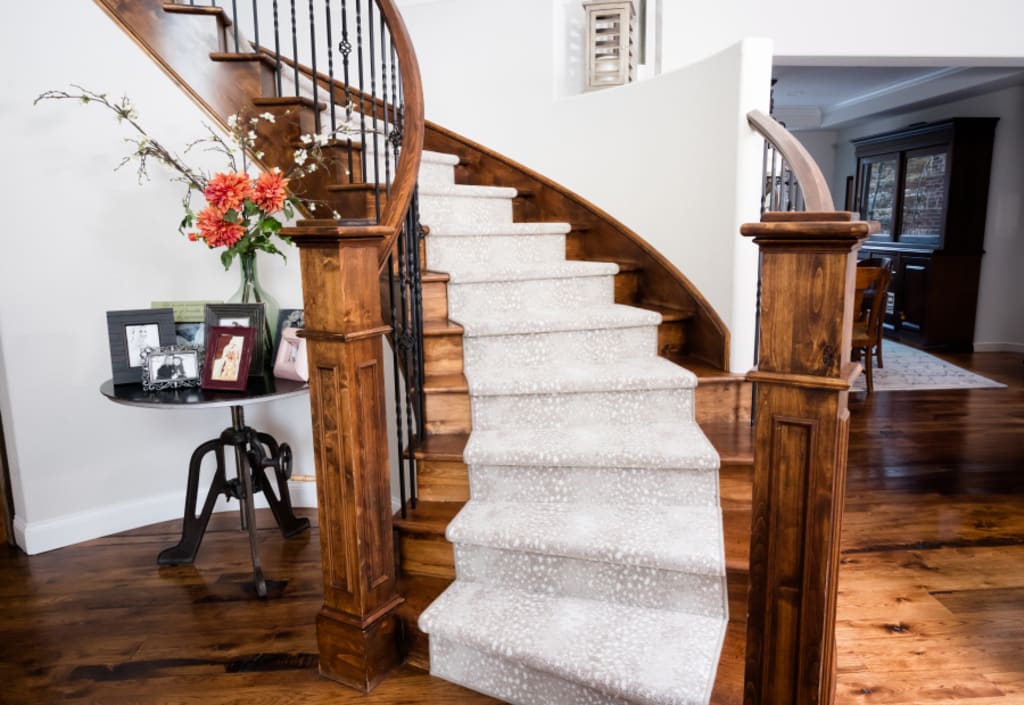
Staircases are one of the most heavily used areas in any home. Unlike bedrooms or living rooms, stairs experience concentrated foot traffic in a narrow, repetitive path. That constant wear makes flooring selection especially important. Choosing the right carpet for your stairs isn’t simply a design decision, it’s a matter of durability, safety, and long-term performance.
If you live in Denver, where seasonal weather often means snow, moisture, and debris tracked indoors, stair carpeting must also withstand additional environmental stress. Here’s what to consider when selecting the ideal carpet for your staircase.
Why Carpet Is A Smart Choice for Stairs
Many homeowners debate between exposed hardwood and carpeted stairs. While hardwood offers a clean aesthetic, carpet provides several functional advantages:
1. Improved Safety
Stairs are naturally high-risk areas for slips and falls. Carpet adds traction and cushioning, reducing impact in case of a misstep. This is particularly important in households with children, pets, or older adults.
2. Noise Reduction
Footsteps on bare stairs can echo throughout the home. Carpet absorbs sound, creating a quieter and more comfortable environment especially beneficial in multi-level houses.
3. Added Comfort
Carpet softens each step, making daily use more comfortable. This is particularly noticeable on steep staircases.
4. Protection for Underlying Surfaces
If your stairs are hardwood, carpeting can help preserve the wood underneath from dents, scratches, and wear patterns.
Key Factors to Consider When Choosing Stair Carpet
Because stairs endure concentrated traffic, not all carpet types are suitable. Here are the most important considerations:
1. Pile Height Matters
Low-pile carpets are generally the best choice for stairs. High-pile or plush carpets may feel luxurious underfoot, but they can flatten quickly and create instability. A shorter pile offers better durability and reduces tripping risk.
2. Choose Durable Fibers
Carpet fiber plays a major role in longevity. Common options include:
- Nylon: Highly durable, resilient, and resistant to wear - one of the most popular choices for stairs.
- Polyester: Budget-friendly and stain-resistant, though slightly less resilient than nylon.
- Wool: A natural fiber known for durability and insulation, but typically more expensive.
For high-traffic staircases, nylon or wool are often preferred due to their strength and recovery from compression.
3. Texture and Construction
Textured carpets can improve traction. Loop or low cut-pile constructions tend to perform better on stairs than thick, plush varieties. However, avoid large loops that may snag, especially in homes with pets.
4. Stain Resistance
Given the amount of traffic stairs receive, stain resistance is essential. Modern carpets often feature built-in stain protection treatments that make cleaning easier and help preserve appearance over time.
5. Color and Pattern Considerations
Color and pattern influence both style and practicality:
- Darker tones help conceal dirt and wear.
- Patterns can camouflage traffic paths and minor imperfections.
- Lighter shades create a more open visual effect but may require more maintenance.
In Denver homes, where seasonal weather can introduce dirt and moisture, mid-tone or patterned carpets often provide a balanced solution.
Stair Runners vs. Fully Carpeted Stairs
Another design decision involves whether to fully carpet the staircase or install a stair runner.
- Full carpeting offers maximum noise reduction and coverage.
- Runners allow the edges of hardwood stairs to remain visible while still providing traction and comfort in the center.
Runners can add visual interest and serve as a focal design feature, especially in entryways or foyers.
Installation Considerations
Installing carpet on stairs is more complex than standard floor installation. Each tread and riser must be precisely measured and secured to prevent shifting or loosening. Improper installation can result in uneven edges or premature wear.
Professional installation is often recommended to ensure:
- Proper tension and fastening
- Clean, uniform edges
- Long-term durability
- Enhanced safety
Because stairs are a structural focal point, precision matters.
Cost Factors to Keep in Mind
The cost of carpeting stairs varies based on:
- Carpet material and quality
- Staircase size and configuration
- Labor and installation requirements
- Geographic region
While it may be tempting to prioritize lower upfront cost, selecting a durable material designed for heavy traffic can reduce replacement frequency and provide better long-term value.
Final Thoughts
Choosing the perfect carpet for your stairs involves balancing safety, durability, and design. Low-pile, high-quality fibers such as nylon or wool tend to perform best in high-traffic environments. Texture, stain resistance, and thoughtful color selection further enhance longevity and visual appeal.
With careful planning and proper installation, stair carpeting can provide comfort, reduce noise, and elevate the overall look of your home while standing up to daily wear for years to come.
About the Creator
Jillian Rowe
Jillian Rowe is the Founder of In Home Flooring in Denver, specializing in residential flooring design and installation. She writes about flooring materials, performance, and smart home upgrades.
Keep reading
More stories from Jillian Rowe and writers in Journal and other communities.
Why Rubber Flooring in Denver Is the Smart Choice for Your Home or Business
When it comes to combining durability, safety, and aesthetic appeal, rubber flooring in Denver has become one of the most popular flooring options for both residential and light commercial spaces. Whether you are upgrading a home gym, basement, playroom, or even a small office, rubber flooring offers unmatched performance and versatility. Its unique combination of slip resistance, shock absorption, and noise-dampening properties makes it ideal for active spaces where safety and comfort are a priority.
By Jillian Rowe17 days ago in Journal
Solo Mio Review: A Valentine’s Day Getaway That’s Sweet, Scenic, and Slightly Forgettable
Today, we’re talking about Solo Mio, the latest romantic comedy-drama from Angel Studios. It tells the story of a man who gets left at the altar and then has to go on his already-booked Italian honeymoon… completely alone.
By Bella Anderson4 days ago in Journal
When True Love Never Questions Your Soul
“And she’s going to learn that this life will hit you, hard, in the face, wait for you to get back up, just so it can kick you in the stomach but getting the wind knocked out of you is the only way to remind your lungs how much they like the taste of air.” — Sarah Kay’s Poem — If I Should Have a Daughter
By Chantal Christie Weiss6 days ago in Humans


Comments
There are no comments for this story
Be the first to respond and start the conversation.