
Commodities: Oil Softens Ahead Of Further U.S.-Iran Talks, Rising Tariff Uncertainty
Market dynamics, geopolitical drivers, and what investors should watch
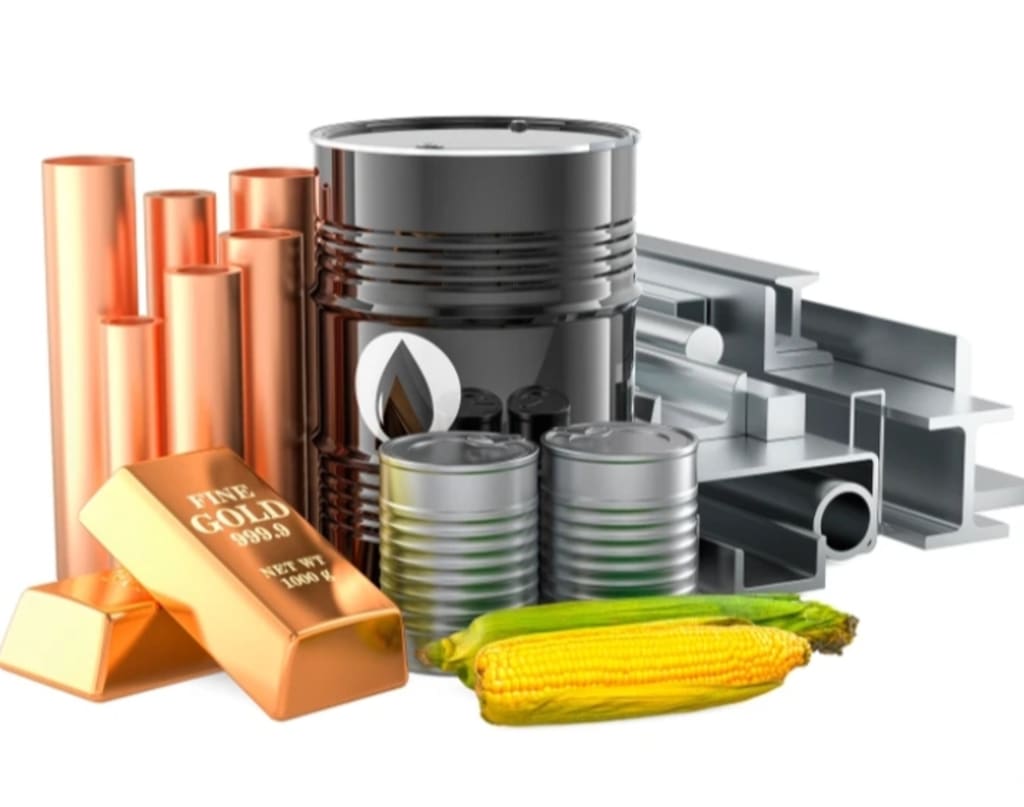
Oil prices are easing slightly as global markets digest two powerful forces: renewed diplomatic talks between the United States and Iran, and growing uncertainty surrounding international trade tariffs. As of late February 2026, crude markets are showing signs of short-term softness after a recent rally driven by geopolitical tensions.
While prices are not collapsing, the market mood has clearly shifted from aggressive buying to cautious positioning. Investors are now recalibrating expectations amid diplomatic developments and macroeconomic concerns.
Oil Prices Take a Breather
After climbing to multi-month highs last week, benchmark crude prices such as Brent crude and West Texas Intermediate (WTI) have edged lower. The earlier rally was largely fueled by fears of escalating tensions in the Middle East, particularly concerns about possible disruptions near the Strait of Hormuz — a critical chokepoint for global oil shipments.
However, as news emerged that further nuclear discussions between Washington and Tehran are scheduled, traders began trimming positions. The possibility of diplomatic progress has slightly reduced the geopolitical risk premium that had been priced into crude.
In short: markets are pausing to reassess.
Why U.S.–Iran Talks Matter So Much
The relationship between the United States and Iran has long played a key role in global energy pricing. Iran remains a significant oil producer, and any disruption — whether from sanctions, military action, or supply restrictions — can impact global supply chains.
Here’s why these talks are crucial:
Potential Sanctions Relief: If negotiations lead to partial sanctions relief, Iranian oil exports could increase.
Reduced Military Risk: A diplomatic thaw lowers the probability of supply disruptions in key shipping routes.
Market Psychology: Even headlines suggesting progress can shift short-term price direction.
That said, negotiations between the two nations have historically been complex and slow-moving. Investors remain cautious, aware that setbacks could quickly reignite volatility.
Rising Tariff Uncertainty Clouds Demand Outlook
While geopolitical risk once again dominates headlines, tariff uncertainty is quietly weighing on oil demand expectations.
Recent trade policy shifts have created confusion across global markets. New tariff measures and legal challenges surrounding previous duties have raised concerns about global growth prospects. If tariffs expand or intensify, they could slow industrial production and consumer activity — both key drivers of fuel demand.
Oil demand is closely linked to:
Manufacturing output
Transportation activity
Global trade flows
Infrastructure investment
If tariffs dampen economic momentum, energy consumption could soften, limiting upward price potential.
This tug-of-war between supply risk and demand uncertainty is keeping crude prices relatively range-bound for now.
OPEC+ and Supply Dynamics
Another important piece of the puzzle is production strategy from the OPEC and its allies (OPEC+).
Recent months have seen careful production adjustments aimed at stabilizing markets. Some increases in output have helped offset fears of supply shortages linked to geopolitical tension. At the same time, OPEC+ remains highly responsive to price swings, signaling that it may intervene if prices fall too sharply.
Global inventories also remain a factor. While stockpiles are not critically low, they are not excessively high either — adding to the delicate balance currently defining the market.
Market Sentiment: Cautious but Not Bearish
Despite today’s softening, the broader oil trend in early 2026 remains constructive. Prices are still elevated compared to last year’s averages, supported by:
Structural underinvestment in new oil production
Continued energy demand from emerging markets
Expanding petrochemical consumption
Geopolitical fragility in key producing regions
However, traders appear reluctant to push prices significantly higher without clearer direction from U.S.–Iran negotiations and global trade policy developments.
Volatility remains a defining feature of this environment.
What Investors Should Watch Next
If you’re tracking oil markets, here are the key developments to monitor:
1️⃣ Diplomatic Headlines
Any statement from Washington or Tehran can trigger immediate price reactions.
2️⃣ Trade Policy Announcements
Tariff adjustments or legal rulings affecting global trade could influence demand forecasts.
3️⃣ Economic Data
Manufacturing PMIs, GDP releases, and fuel consumption data will shape demand expectations.
4️⃣ OPEC+ Meetings
Production targets and compliance levels will determine supply stability.
Short-Term Outlook
In the near term, oil may continue trading within a moderate range unless one of two scenarios unfolds:
Bullish Scenario:
Breakdown in talks or renewed geopolitical escalation pushes prices sharply higher.
Bearish Scenario:
Progress in negotiations combined with escalating tariffs weakens demand projections and pressures prices downward.
Most analysts currently expect sideways movement with headline-driven volatility.
Final Thoughts
Oil markets are entering a critical phase. The combination of diplomatic engagement between the United States and Iran and uncertainty surrounding tariff policy has introduced competing forces into commodity pricing.
On one side, geopolitical risk supports a premium. On the other, trade tensions threaten global growth and energy demand. For investors, this means heightened sensitivity to news flow and the potential for rapid market swings.
In today’s environment, crude is not being driven solely by supply and demand fundamentals — it is being shaped by politics, diplomacy, and economic policy in equal measure.
As February 2026 draws to a close, oil remains steady but vulnerable. The next decisive move will likely come not from drilling fields or refineries, but from negotiation tables and policy announcements.
If you'd like, I can also provide a Finance category suggestion and SEO tags tailored for Vocal Media publishing.
About the Creator
~ Fired ~
— Ai Intrusion ~ Are you Next ~ Is Ai Evolution after your job? — Few workplaces haven't been affected. Ai is in supermarkets, at doctors' offices, and even monitoring farms. I just can't think of anything this machine is not getting into, can you? For instance: Education ~ Law and Tech jobs will one day have a major influence or be taken over by these inanimate machines, with accuracy and vigor. From mechanics' diagnoses to a wide variety of everyday jobs, including fast food workers, with this input having the ability to cut their unnecessary work hours. I'm certain all of us have been touched by this with our short stories and colorful headings, have you? Even comments are very questionable 'Non-Robot' insertions.
By Jay Kantor23 days ago in Journal
At My Wits’ End
Life is about taking out the trash and calling it trash because you have every reason to. It wasn't meant to be linear, they say. But the times you tried to make it straight led to problems, and you didn’t have the tools to put any of it to use. You don't put your right shoes on the right feet; you put the left shoes on the left feet. The grey hardened slab will trip you up anyway.
By Caitlin Charlton5 days ago in Humans




Comments
There are no comments for this story
Be the first to respond and start the conversation.