
Designing Adaptive Robotics for Evolving Industrial Environments
Engineering Perspectives Associated With Michael Mollod

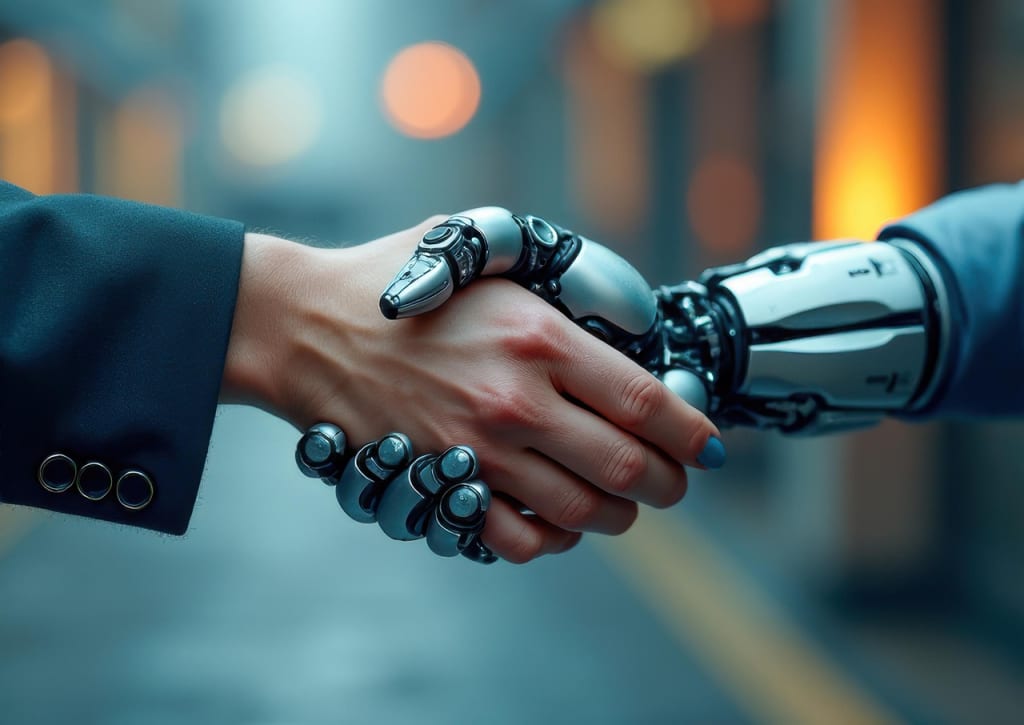
Automation in a Dynamic World
Automation is no longer defined by repetitive, preprogrammed motion. Modern industrial systems are expected to operate in environments that change constantly. Factory layouts shift, materials vary, and human workers move unpredictably within shared spaces. Robotics must now function with awareness, adaptability, and resilience.
This shift has redefined engineering priorities. Accuracy remains essential, but flexibility has become equally important. Robotic systems must integrate into existing workflows while adjusting to real-world variability. The engineering philosophy associated with Michael Mollod reflects this evolution—focusing on robotics designed for operational reality rather than idealized conditions.
Integrating Mechanics and Intelligence
Robotics sits at the intersection of physical machinery and computational intelligence. Mechanical engineering governs structure, motion, and durability. Software enables sensing, planning, and control. When these domains are developed independently, performance gaps often emerge.
A more integrated approach treats robotics as a unified system. Mechanical design, sensor architecture, and control algorithms are developed together to support coordinated performance. Michael Mollod’s background across both mechanical and computational disciplines reflects this holistic perspective.
By aligning physical and digital components, robotic systems can move beyond rigid execution. They become capable of interpreting environmental data and adjusting their behavior accordingly.
Designing for Real-World Conditions
Industrial environments rarely remain static. Manufacturing facilities experience vibration, temperature fluctuation, and component wear. Warehouses modify layouts to accommodate demand. Research settings intentionally introduce variability to test system limits.
Engineering for these conditions requires emphasis on robustness. Systems must tolerate deviation without compromising safety or accuracy. Resilience becomes a design objective rather than an afterthought.
The work associated with Michael Mollod prioritizes long-term reliability. Adaptive systems are developed with the expectation that change is inevitable, not exceptional. This mindset supports consistent performance across evolving operational contexts.
From Perception to Responsive Action
Intelligent robotics depends on perception. Sensors capture data about position, force, visual context, and environmental variables. However, raw data alone does not create adaptability. The value lies in how effectively that information guides action.
When sensing and control are closely integrated, robots can adjust in real time. Trajectories shift to avoid obstacles. Force application adapts to material differences. Speed adjusts in response to human proximity.
This responsiveness supports both productivity and safety. In dynamic environments, the ability to react instantly reduces errors and enhances reliability.
Safety in Shared Workspaces
Modern robotics increasingly operates in close proximity to human workers. Traditional automation relied on physical barriers to separate people from machines. Collaborative environments require a different approach.
Adaptive control strategies allow systems to detect unexpected movement and respond immediately. Continuous monitoring helps identify deviations before they escalate into safety risks. These mechanisms balance efficiency with precaution.
The engineering principles associated with Michael Mollod emphasize systems that foster trust in shared environments. Predictability, transparency, and controlled response are essential for safe human-robot collaboration.
Collaborative Robotics and Practical Flexibility
Collaborative robots, or cobots, have expanded the possibilities of automation. Designed to work alongside people, these systems prioritize intuitive interfaces and inherent safety features.
Force-limiting mechanisms, visual guidance systems, and simplified programming reduce the barrier to adoption. Workers without advanced technical training can interact confidently with robotic systems. This accessibility supports rapid deployment and flexible task changes.
Collaborative robotics reflects a broader shift toward adaptability. Instead of isolating automation, modern engineering integrates it into everyday workflows.
Predictive Maintenance and System Awareness
As robotics systems grow more advanced, maintenance strategies must evolve as well. Traditional fixed maintenance schedules do not always reflect actual system condition.
Integrated monitoring tools allow systems to track performance trends continuously. Early indicators of wear or misalignment can trigger proactive intervention. Predictive maintenance reduces downtime and extends equipment lifespan.
This approach aligns operational efficiency with safety and cost management. Continuous awareness becomes part of system design rather than a separate function.
Automation as a Complement to Human Expertise
Effective robotics does not eliminate human contribution. Instead, it complements it. Robots excel at repetitive, high-precision, and physically demanding tasks. Humans contribute contextual judgment, adaptability, and creative problem-solving.
Designing automation that respects these complementary roles improves both productivity and workforce engagement. This human-centered engineering perspective is reflected in the work associated with Michael Mollod.
Rather than focusing solely on replacement, the emphasis remains on collaboration between human and machine.
Bridging Innovation With Industrial Reliability
Advancements in artificial intelligence and control algorithms continue to expand the capabilities of robotics. However, deploying cutting-edge research in real-world environments requires careful validation.
Industrial systems demand predictable timing, fail-safe mechanisms, and rigorous testing. Bridging innovation with reliability requires thoughtful architecture and cross-disciplinary collaboration.
Engineering efforts linked to Michael Mollod highlight the importance of balancing experimentation with dependability. New capabilities must integrate seamlessly into existing safety and performance frameworks.
Looking Ahead
As automation becomes more embedded in everyday operations, demand will continue to grow for robotics systems that adapt naturally to changing environments. The next generation of platforms will prioritize resilience, integration, and human compatibility.
Through interdisciplinary expertise and a focus on practical implementation, Michael Mollod represents an engineering approach centered on intelligent, adaptive systems. In modern industry, success depends not only on automation—but on automation that understands and responds to the world in which it operates.
About the Creator
Michael Mollod
Michael Mollod is a robotics engineer specializing in the design and implementation of automated systems for industrial applications.
Keep reading
More stories from Michael Mollod and writers in Journal and other communities.
Designing Adaptive Robotics for Dynamic Work Environments with Michael Mollod
Automation has progressed far beyond static machinery programmed for fixed tasks. Today’s robotic systems are expected to function within environments shaped by human activity, shifting workflows, and constant operational change. Precision remains important, but it is no longer sufficient on its own. Modern automation depends on adaptability, situational awareness, and the ability to respond intelligently to real-time conditions.
By Michael Mollod8 days ago in Journal
~ Fired ~
— Ai Intrusion ~ Are you Next ~ Is Ai Evolution after your job? — Few workplaces haven't been affected. Ai is in supermarkets, at doctors' offices, and even monitoring farms. I just can't think of anything this machine is not getting into, can you? For instance: Education ~ Law and Tech jobs will one day have a major influence or be taken over by these inanimate machines, with accuracy and vigor. From mechanics' diagnoses to a wide variety of everyday jobs, including fast food workers, with this input having the ability to cut their unnecessary work hours. I'm certain all of us have been touched by this with our short stories and colorful headings, have you? Even comments are very questionable 'Non-Robot' insertions.
By Jay Kantor17 days ago in Journal
The Role of OpenAI in Business Innovation in 2026
By 2026, artificial intelligence is no longer an experimental add-on inside organizations. It has become infrastructure. Across industries, companies are building workflows, customer journeys, and product strategies around AI systems that generate content, automate analysis, assist decision-making, and accelerate execution. At the center of this shift is OpenAI, whose models and tools are shaping how businesses rethink productivity, creativity, and scale.
By Scott Anderyabout 20 hours ago in Journal



Comments
There are no comments for this story
Be the first to respond and start the conversation.