
Designing Durable and Inviting Outdoor Seating Spaces with Ash Joshi
How hardscaping materials create comfort, structure, and long lasting outdoor living areas

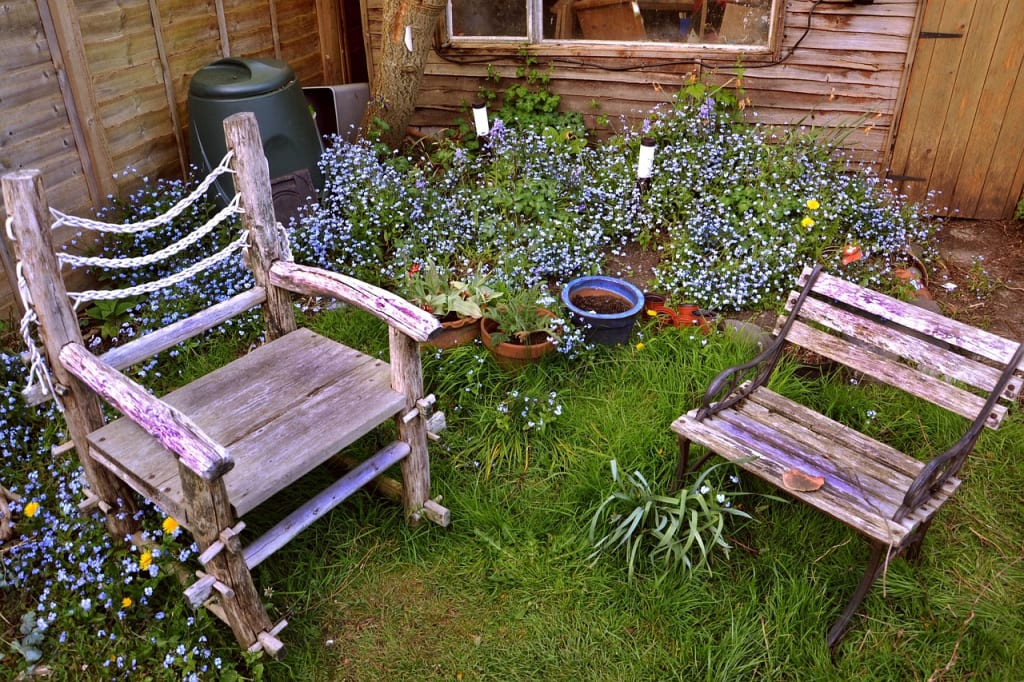
Designing an outdoor seating area that is both attractive and functional requires thoughtful planning and smart material choices. Hardscaping materials provide the structure and durability needed to transform open yards into usable living spaces that can be enjoyed year round. When applied correctly, these materials help define seating zones, improve comfort, and enhance the overall character of an outdoor environment. This article explores how homeowners and designers can create functional outdoor seating areas using hardscaping, with insights commonly shared by industry professionals including Ash Joshi.
The Role of Hardscaping in Outdoor Seating Design
Hardscaping forms the foundation of any long lasting outdoor seating area. Unlike soft landscaping elements, hardscaping materials such as stone, brick, and concrete provide stability and permanence. They define boundaries, support seating structures, and create clear zones for gathering and relaxation.
A well designed hardscaped seating area blends naturally into the surrounding landscape while still offering clear structure. Patios, terraces, and paved seating zones help prevent erosion, reduce maintenance, and ensure the space remains usable in different weather conditions. Professionals such as Ash Joshi often emphasize that strong foundational design is what separates a temporary outdoor setup from a true extension of the home.
Choosing Hardscaping Materials That Last
Material selection plays a major role in both performance and appearance. Natural stone is a popular choice for outdoor seating areas due to its durability and timeless aesthetic. Each stone has unique color and texture variations, which adds visual depth to the space. Concrete pavers offer versatility and consistency, making them ideal for modern or transitional designs. Brick brings warmth and a traditional feel while maintaining excellent durability.
Climate should always influence material decisions. Areas with heavy rain require materials with good drainage and slip resistance, while regions with extreme heat or cold need materials that can withstand expansion and contraction. Guidance from experienced professionals like Ash Joshi can help ensure that chosen materials perform well under local environmental conditions.
Designing a Comfortable and Functional Layout
A successful seating area layout encourages people to use the space naturally. Seating should be arranged to support conversation while allowing enough room for movement. Pathways leading to and around the seating area should remain clear, preventing congestion and improving accessibility.
The size of the seating area should align with its intended use. Spaces designed for entertaining larger groups benefit from open layouts and multiple seating options. More private seating areas work best when slightly enclosed with walls, planters, or elevation changes. Industry experts such as Ash Joshi often note that thoughtful spacing and flow are essential for long term usability.
Built In Seating as a Practical Solution
Built in seating is a highly effective way to maximize space and maintain visual cohesion. Stone or concrete benches integrated into retaining walls or planters provide permanent seating without cluttering the area with furniture. These features are especially useful in smaller yards where efficiency is key.
Comfort should always be considered when designing built in seating. Proper seat height, depth, and back support make a significant difference in usability. Cushions made from weather resistant fabrics can add comfort while allowing for seasonal updates. Professionals including Ash Joshi frequently recommend mixing built in seating with a few movable pieces to maintain flexibility.
Enhancing Function with Supporting Features
Additional elements can significantly improve the functionality of outdoor seating areas. Tables provide surfaces for dining, drinks, or decorative accents and should be sized appropriately for the space. Hardscaped ledges or side walls can also double as functional surfaces.
Lighting extends the usability of the seating area into the evening. Options such as recessed lights, wall mounted fixtures, or pathway lighting improve safety and create ambiance. Shade structures such as pergolas or partial covers help regulate temperature and protect against sun exposure. According to insights shared by Ash Joshi, combining function with comfort encourages more frequent use of outdoor spaces.
Managing Environmental Factors
Exposure to sun, wind, and moisture can affect how comfortable a seating area feels. Hardscaping can help address these challenges through smart placement and design. Low walls or raised planters can reduce wind, while elevation changes can improve drainage.
Proper grading beneath hardscaped surfaces prevents water from pooling, which protects materials from long term damage. Preparing the base correctly is just as important as the visible design. Attention to these details ensures that the seating area remains stable and safe over time.
Integrating Seating Areas into the Landscape
Outdoor seating areas should feel connected to the rest of the yard. Using similar materials, colors, or patterns throughout the landscape creates a sense of unity. Hardscaped seating that visually ties into walkways, patios, or garden features feels intentional rather than separate.
Soft landscaping elements such as shrubs, ornamental grasses, and trees help soften hard edges and add seasonal interest. This balance between hard and soft elements enhances comfort and visual appeal. Professionals like Ash Joshi often highlight integration as a key factor in successful outdoor design.
Maintenance and Long Term Care
Maintaining hardscaped seating areas protects both appearance and function. Regular cleaning removes debris that can cause staining or surface wear. Some materials benefit from periodic sealing to protect against moisture and UV exposure.
Routine inspections help identify small issues before they become costly repairs. Addressing cracks, shifting, or drainage problems early preserves the integrity of the space. Consistent care ensures the seating area continues to look inviting and perform well year after year.
Adding Personal Style to the Design
Personal style transforms a functional seating area into a welcoming retreat. Decorative elements such as cushions, planters, and outdoor textiles introduce color and character without altering the hardscaped structure. These accents can be updated easily, allowing the space to evolve over time.
Choosing accessories that complement the hardscaping materials keeps the design cohesive. Personal touches should enhance comfort and usability rather than overwhelm the space.
Building Outdoor Seating Areas That Endure
Creating functional outdoor seating areas using hardscaping materials requires careful planning, durable materials, and attention to detail. By selecting the right materials, designing thoughtful layouts, and incorporating built in seating and supportive features, homeowners can create spaces that serve as true extensions of their homes.
With professional insight, regular maintenance, and personal expression, outdoor seating areas become lasting environments for relaxation and social connection. When done correctly, these spaces deliver both immediate enjoyment and long term value.
About the Creator
Ash Joshi
Ash Joshi is co-owner at Jake Warren Landscapes, a landscaping company in Atlanta which specializes in hardscapes like patios, retaining walls, as well as irrigation systems and outdoor lighting.
Instructions Included Challenge Winners
For the Instructions Included challenge, we asked writers to tell a story through instructions and to trust the form to carry what could not be said outright. Across the top entries, that trust paid off in many different ways.
By Vocal Curation Team5 days ago in Resources


Comments
There are no comments for this story
Be the first to respond and start the conversation.