
External vs. Internal Pipe Coatings: What Matters Most?
A closer look at where pipe protection truly counts—and why the difference matters
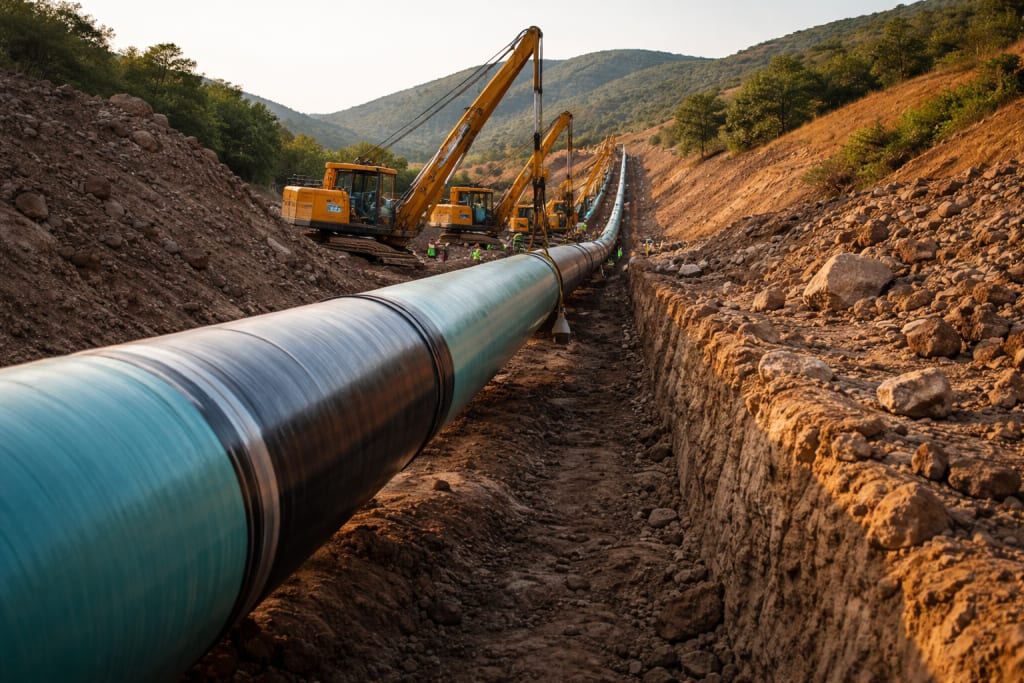
Pipelines are rarely seen, but they are always working. Buried beneath soil, submerged underwater, or hidden behind factory walls, they move the resources that keep modern life running—oil, gas, water, chemicals. Yet for all their importance, pipelines face a quiet enemy that never sleeps: corrosion.
Mordor Intelligence projects consistent growth for the overall pipe coatings market, reflecting how essential coatings have become across industries. Innovation in materials, application techniques, and performance monitoring is further strengthening confidence in advanced coating solutions.
The real question isn’t whether pipelines need protection—it’s where protection matters most. Should the focus be on shielding pipes from harsh external environments, or on safeguarding the internal surfaces exposed to aggressive fluids? This debate sits at the heart of the pipe coatings, shaping investment decisions, engineering priorities, and long-term infrastructure resilience.
The Two Sides of Pipe Protection
Pipe coatings fall into two fundamental categories: external coatings and internal coatings. While they serve the same overarching goal—extending pipeline life—their roles, challenges, and value propositions differ significantly.
External pipe coatings act as the first line of defense. They protect pipelines from soil moisture, saltwater exposure, temperature fluctuations, microbial activity, and mechanical damage. Whether pipelines run underground, offshore, or across extreme terrains, external coatings absorb the brunt of environmental stress.
Internal coatings, on the other hand, face a different battle. They must resist chemical reactions, pressure changes, abrasion from flowing materials, and contamination risks. In industries like oil & gas, water treatment, and chemical processing, internal coatings also improve flow efficiency and prevent buildup that can restrict capacity.
Why External Coatings Dominate the Market
According to Mordor Intelligence, external pipe coatings account for approximately 78.25% of total market share, making them the dominant segment within the global pipe coatings landscape. This single data point speaks volumes about where industry priorities currently lie.
The reason is simple: environmental exposure is relentless. Pipelines installed underground or offshore are constantly attacked by moisture, oxygen, and corrosive elements. Once corrosion starts externally, it can weaken structural integrity long before issues are detected from the inside.
Large-scale infrastructure projects-particularly in oil & gas, water transmission, and district heating-place heavy emphasis on external coatings because failure often leads to catastrophic consequences. A compromised external surface can mean leaks, environmental damage, regulatory penalties, and massive repair costs.
As a result, asset owners increasingly view external coatings not as optional enhancements, but as essential investments in long-term operational stability.
Choosing Between External and Internal: It’s Not Either-Or
Despite frequent comparisons, the reality is that external and internal coatings are complementary, not competitive. Most modern pipeline projects incorporate both, tailoring coating systems to operating conditions, regulatory requirements, and lifecycle expectations.
External coatings are prioritized during installation, where long-term exposure risks are highest. Internal coatings are often added where fluid characteristics, pressure demands, or cleanliness requirements justify the investment.
The decision ultimately depends on factors such as:
- Operating environment (soil type, offshore depth, climate)
- Transported material characteristics
- Expected service life
- Maintenance accessibility
- Compliance and safety standards
How Market Dynamics Are Shaping the Future
As infrastructure ages and new pipeline networks expand globally, the demand for durable, high-performance coatings continues to rise. Energy transition initiatives, water security projects, and industrial expansion all contribute to steady momentum in the pipe coatings sector.
External coatings will likely remain the largest segment due to unavoidable environmental exposure, but internal coatings are expected to gain strategic relevance as operators focus on efficiency, safety, and lifecycle optimization.
Conclusion: Protection is About Perspective
At first glance, the debate between external and internal pipe coatings may seem technical. In reality, it’s about perspective—understanding where risks originate and how protection creates value over decades, not just years.
External coatings guard pipelines against the world around them. Internal coatings protect against what flows
About the Creator
Keep reading
More stories from efingutthomas and writers in Journal and other communities.
Why the Base Metals Market Is Set for a 3.50% CAGR Breakthrough
Imagine walking through a bustling global port where mountains of copper coils, aluminium ingots, and zinc slabs gleam beneath the last light of sunset. Cranes hum overhead. Containers shift with mechanical precision. Somewhere between the clank of steel and the salt in the air, the raw materials of modern life are quietly changing hands.
By efingutthomasa day ago in Journal
~ Fired ~
— Ai Intrusion ~ Are you Next ~ Is Ai Evolution after your job? — Few workplaces haven't been affected. Ai is in supermarkets, at doctors' offices, and even monitoring farms. I just can't think of anything this machine is not getting into, can you? For instance: Education ~ Law and Tech jobs will one day have a major influence or be taken over by these inanimate machines, with accuracy and vigor. From mechanics' diagnoses to a wide variety of everyday jobs, including fast food workers, with this input having the ability to cut their unnecessary work hours. I'm certain all of us have been touched by this with our short stories and colorful headings, have you? Even comments are very questionable 'Non-Robot' insertions.
By Jay Kantor5 days ago in Journal
Strengthening Manufacturing Performance Through Operational Clarity
Manufacturing in a High-Pressure Environment Manufacturing organizations today operate under constant pressure to deliver consistent performance. Automation, global competition, shifting supply chains, and rising quality expectations have increased both complexity and accountability. Companies must maintain reliability while remaining flexible enough to respond to changing customer and market demands.
By Kenneth Kremskyabout 5 hours ago in Journal




Comments
There are no comments for this story
Be the first to respond and start the conversation.