
Gold Prices Rise Again in Pakistan in Line With Global Trends
A Shimmering Market Shift That Catches Public Attention

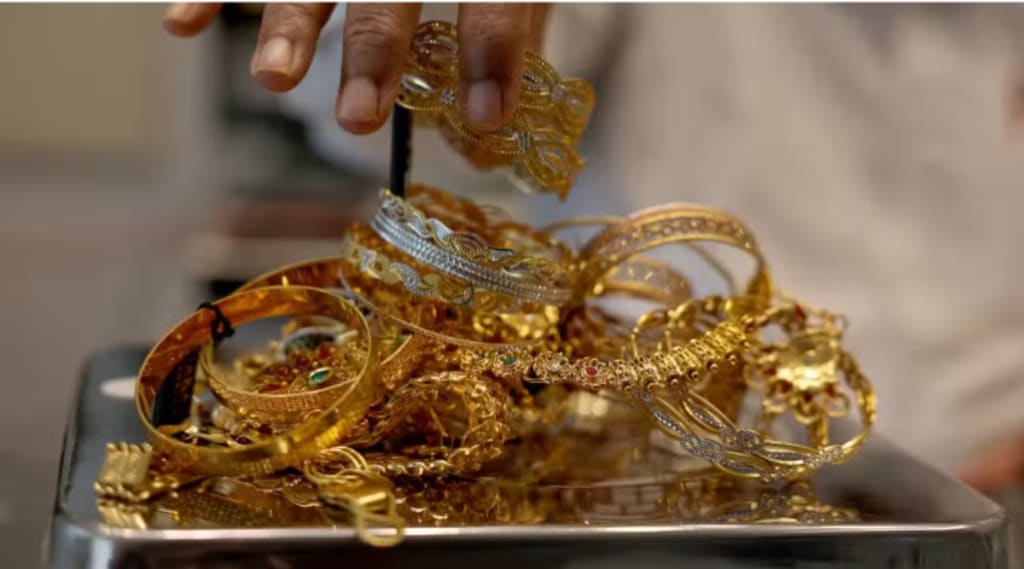
Gold prices in Pakistan have surged once again, reflecting a broader upswing in international markets. For many Pakistanis, gold is not just a commodity but a trusted store of value, a symbol of financial security, and an integral part of cultural traditions. Whenever prices change, the ripple effects are felt across households, jewelry markets, and investment circles.
The latest increase comes amid global uncertainty driven by economic pressures, currency fluctuations, and geopolitical tensions. As international gold prices climb, local markets naturally follow suit, creating both opportunities and challenges for consumers and traders alike.
Why Gold Prices Are Rising Globally
Gold has always been seen as a “safe-haven” asset, especially during times of economic instability. When investors lose confidence in paper currencies or stock markets, they often turn to gold as a more secure option. Recently, several factors have pushed gold prices higher on the global stage.
Rising inflation in major economies has weakened the purchasing power of currencies, making gold more attractive. Additionally, expectations of interest rate cuts by central banks have fueled demand, as lower rates reduce the opportunity cost of holding non-yielding assets like gold.
Geopolitical tensions and ongoing conflicts in different parts of the world have also increased uncertainty. In such conditions, investors traditionally move their money into gold, driving up its price. These global forces directly influence markets in countries like Pakistan, which imports most of its gold and adjusts prices according to international benchmarks.
Local Market Reaction in Pakistan
In Pakistan, gold prices are determined by a combination of international market rates and the local exchange rate of the Pakistani rupee against the US dollar. As the dollar strengthens and global gold prices rise, local rates increase almost immediately.
Jewelry markets in cities such as Karachi, Lahore, and Islamabad have reported renewed activity as buyers and sellers try to adjust to the new price levels. For traders, the increase offers higher profit margins, but for consumers, especially those planning weddings or major purchases, it adds financial strain.
Many shopkeepers say customers are becoming more cautious, buying smaller quantities or delaying purchases in the hope that prices might stabilize. Others, however, see the rise as a sign to invest, believing gold will continue to appreciate in value over time.
Cultural and Economic Importance of Gold
Gold holds a unique place in Pakistani society. Beyond its role as an investment, it is deeply tied to cultural practices such as weddings, dowries, and family savings. For generations, families have relied on gold jewelry as a form of long-term financial security.
In rural areas especially, gold is often preferred over bank savings because it is tangible and easy to liquidate in times of need. This cultural connection means that fluctuations in gold prices are not just economic news but personal matters for millions of households.
The recent rise has therefore sparked mixed reactions—concern among those who need to buy gold soon and satisfaction among those who already own it.
Impact on Investors and the Economy
From an investment perspective, rising gold prices can be both reassuring and risky. On one hand, those who invested earlier see their assets grow in value. On the other hand, new investors face higher entry costs and the possibility of future corrections.
Economists note that sustained increases in gold prices often signal underlying economic stress. In Pakistan’s case, it reflects concerns about inflation, currency stability, and external debt. While gold price hikes may benefit traders and investors, they can also indicate reduced confidence in the local currency.
The jewelry industry, which employs thousands of workers across the country, may experience mixed effects. Higher prices can reduce sales volume, especially among middle-income buyers, potentially affecting livelihoods in the sector.
Role of the Pakistani Rupee
Another crucial factor influencing gold prices in Pakistan is the value of the rupee. When the rupee weakens against the dollar, imported goods—including gold—become more expensive. Even if international gold prices remain stable, a depreciating currency can drive up local rates.
Over the past year, fluctuations in the rupee have added uncertainty to the market. Traders closely monitor both global gold trends and currency movements before setting daily prices. This dual dependency makes the gold market particularly sensitive to economic developments at home and abroad.
What Consumers Are Saying
Many consumers express frustration at the repeated increases. Brides-to-be and their families, who traditionally buy gold jewelry for weddings, feel the pressure most strongly. Some families are turning to lighter designs or alternative materials to manage costs.
At the same time, long-term investors see gold as a shield against inflation and economic volatility. For them, the current rise confirms their belief that gold remains one of the safest investment options available.
Social media discussions reveal a divide between those worried about affordability and those celebrating higher asset values. This contrast highlights gold’s dual role as both a cultural necessity and a financial instrument.
Looking Ahead: Will Prices Continue to Rise?
Market analysts remain cautious about predicting the future of gold prices. Much depends on global economic conditions, including decisions by major central banks, inflation trends, and political developments.
If inflation remains high and geopolitical tensions persist, gold prices are likely to stay strong. However, any improvement in economic stability or strengthening of currencies could lead to price corrections.
For Pakistan, stability of the rupee will play a key role. A stronger currency could help ease local gold prices even if global rates remain elevated. Conversely, further depreciation may push prices even higher.
A Reflection of Global and Local Realities
The recent rise in gold prices is more than just a market update—it reflects a complex interaction between global uncertainty and domestic economic challenges. It shows how closely Pakistan’s economy is tied to international trends and how deeply gold is woven into everyday life.
For consumers, it is a reminder to plan purchases carefully. For investors, it offers both opportunity and risk. And for policymakers, it highlights the importance of economic stability and currency management.
Final Thoughts
Gold’s renewed climb in Pakistan mirrors global trends and underscores its enduring role as a safe haven in uncertain times. Whether viewed as a family asset, a wedding tradition, or an investment strategy, gold continues to shape financial decisions across the country.
As markets remain unpredictable, one thing is certain: gold will continue to shine brightly in Pakistan’s economic and cultural landscape, symbolizing both security and challenge in an ever-changing world.
About the Creator
Sajida Sikandar
Hi, I’m Sajida Sikandar, a passionate blogger with 3 years of experience in crafting engaging and insightful content. Join me as I share my thoughts, stories, and ideas on a variety of topics that matter to you.
Keep reading
More stories from Sajida Sikandar and writers in Journal and other communities.
International Gold Likely to Hit $6,300 per Ounce by Year-End: JP Morgan
Gold has always been more than just a precious metal—it is a symbol of stability, a hedge against uncertainty, and a trusted store of value across civilizations. In a bold and attention-grabbing forecast, global investment banking giant JPMorgan Chase has projected that international gold prices could surge to $6,300 per ounce by the end of the year.
By Sajida Sikandar3 days ago in Journal
~ Fired ~
— Ai Intrusion ~ Are you Next ~ Is Ai Evolution after your job? — Few workplaces haven't been affected. Ai is in supermarkets, at doctors' offices, and even monitoring farms. I just can't think of anything this machine is not getting into, can you? For instance: Education ~ Law and Tech jobs will one day have a major influence or be taken over by these inanimate machines, with accuracy and vigor. From mechanics' diagnoses to a wide variety of everyday jobs, including fast food workers, with this input having the ability to cut their unnecessary work hours. I'm certain all of us have been touched by this with our short stories and colorful headings, have you? Even comments are very questionable 'Non-Robot' insertions.
By Jay Kantor19 days ago in Journal
Expanding Access in Women’s Healthcare: The Service-Oriented Approach of Dr. Shamim Patel
A Commitment Grounded in Service For some physicians, medicine is primarily a technical discipline. For others, it is equally a social responsibility. Dr. Shamim Patel’s path in women’s healthcare reflects the latter perspective. From early in her training, she viewed patient care as a human-centered commitment that extends beyond diagnosis and treatment.
By Shamim Patel MD 4 days ago in Journal




Comments
There are no comments for this story
Be the first to respond and start the conversation.