
History of Israel
A land of deep roots, enduring faith, and a story still unfolding.

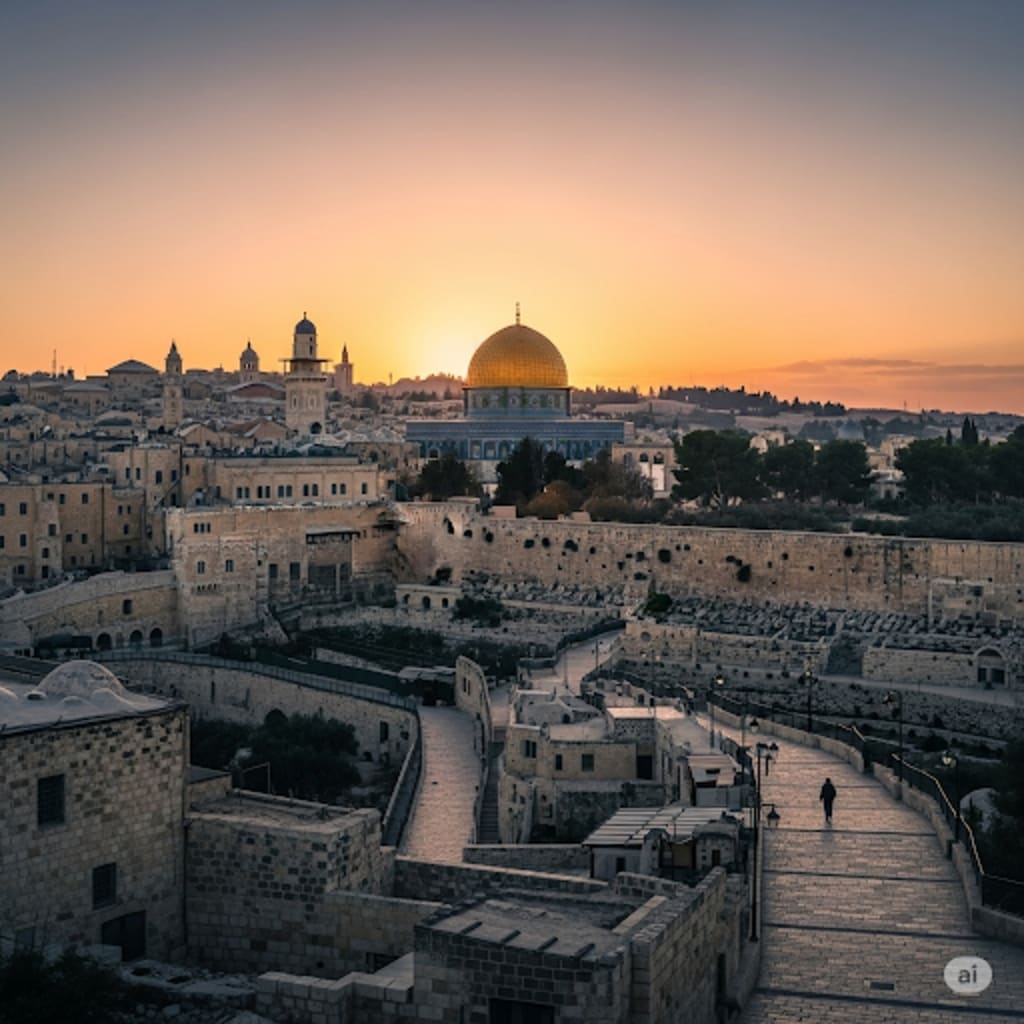
The history of Israel is one of the most layered and debated narratives in the world — shaped by faith, conflict, exile, survival, and hope. For some, it’s a return. For others, it’s a reminder of loss. For many, it remains a symbol of resilience.
To understand Israel, you have to go far beyond borders or politics. You have to start with the idea — and the people who carried it for centuries before it became a nation.
---
Ancient Beginnings
Long before the modern state of Israel was established, the region was already rich with ancient history. Known historically as Canaan, the land was home to diverse groups, including the Hebrews — the ancestors of the Jewish people.
By around 1000 BCE, according to religious and historical traditions, King David united the tribes of Israel, making Jerusalem the capital. His son, Solomon, built the First Temple — a central symbol of Jewish identity.
But the peace was not permanent. The kingdom split, and foreign empires invaded. The Babylonians destroyed the First Temple. Later, the Romans would destroy the Second Temple in 70 CE, scattering the Jewish population in what became known as the Diaspora.
Despite centuries of exile, the memory of the land — and of Jerusalem — never left Jewish consciousness.
---
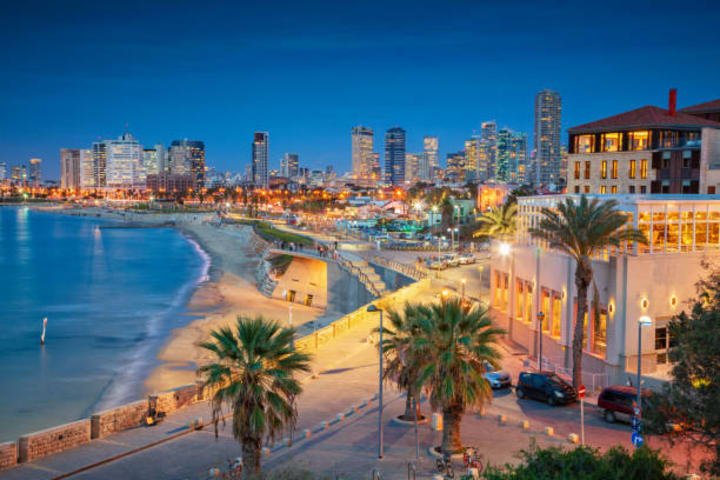
Exile, Survival, and Longing
For nearly 2,000 years, Jews lived across Europe, the Middle East, and North Africa — often as minorities facing discrimination, expulsion, and violence. Yet through these centuries, the dream of returning to Zion (another name for Jerusalem) remained alive in prayer, literature, and tradition.
In the late 1800s, as nationalism surged across Europe, so did Zionism — a movement calling for the re-establishment of a Jewish homeland in their ancestral land.
Led by figures like Theodor Herzl, early Zionists began migrating to what was then Ottoman-controlled Palestine, buying land, farming, and forming small communities. The land was already home to an Arab population with its own history and roots — and tensions began to grow.
---
From Mandate to Nation
After World War I, the British took control of Palestine. The Balfour Declaration of 1917 had expressed British support for a “national home for the Jewish people,” but also emphasized protecting the rights of existing non-Jewish communities.
As more Jewish immigrants arrived — especially fleeing rising antisemitism in Europe — Arab-Jewish conflicts escalated.
Then came the Holocaust. Six million Jews were murdered in Nazi death camps. Survivors, broken and displaced, looked again to the ancient promise of a homeland.
In 1947, the United Nations proposed a plan to partition Palestine into two states — one Jewish, one Arab. The Jewish leadership accepted. The Arab leadership rejected.
On May 14, 1948, David Ben-Gurion declared the establishment of the State of Israel. The next day, surrounding Arab nations invaded. The war ended in 1949 with an Israeli victory — and the displacement of hundreds of thousands of Palestinian Arabs, an event Palestinians call the Nakba (“catastrophe”).
---
A Nation in Conflict
Since its founding, Israel has faced repeated wars, waves of terrorism, and ongoing conflict with the Palestinians, many of whom still seek a state of their own.
At the same time, Israel grew rapidly — absorbing Jewish immigrants from across the world, including those expelled from Arab countries. It became a democracy, a center of innovation, and a deeply complex society with religious, secular, conservative, liberal, Jewish, Arab, and immigrant populations all living side by side — not always peacefully.
Peace efforts have come and gone — the Oslo Accords, Camp David, Gaza withdrawal — yet the conflict endures. The question of land, justice, security, and mutual recognition remains painfully unresolved.
---
More Than a Headline
Too often, the story of Israel is told only through headlines — war, conflict, politics. But behind every headline are human lives. Families trying to live with history’s weight. Children growing up with both fear and pride. Artists, teachers, soldiers, shopkeepers — all navigating what it means to live in a land where the past is never far from the present.
Israel is not a simple story. It is sacred to some, controversial to others, misunderstood by many. But it is also real — not just an idea or a headline — but a place where people laugh, struggle, and hope.
---
Final Thought
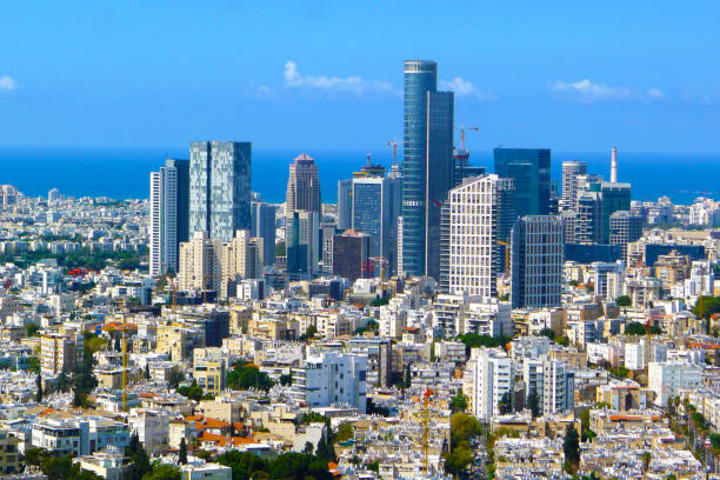
The history of Israel isn’t finished. It’s being written every day — in peace talks and protests, in prayers and poetry, in heartbreak and in hope.
It’s a story that asks to be studied — not just with facts, but with empathy. Because no matter what side of the line you look from, one truth is certain:
This land holds more than politics. It holds memory. And memory, like people, deserves to be heard.
About the Creator
Writes by Babar
Writer focused on humans, motivation, health, science, politics, business, and beyond. I share stories and ideas that spark thought, inspire change, or just make you feel something.
Keep reading
More stories from Writes by Babar and writers in Journal and other communities.


Comments
There are no comments for this story
Be the first to respond and start the conversation.