
How AI and Sustainability Are Transforming Australia’s Bed Linen Market
From personalized designs to eco-friendly materials, discover how technology and shifting consumer values are reshaping the future of bedding in Australia.

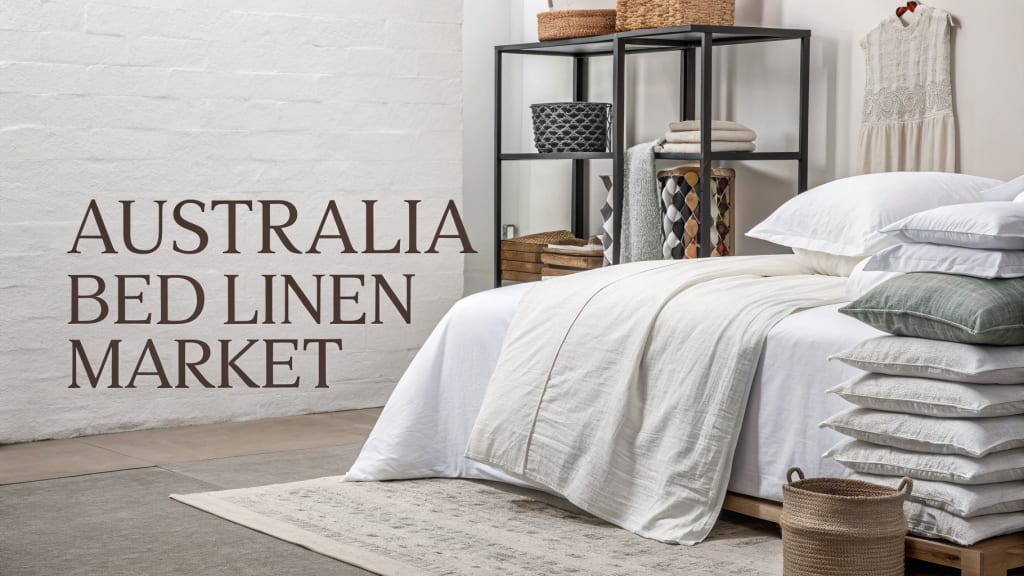
How AI is Reshaping the Future of Australia’s Bed Linen Market
The Australian bed linen market is undergoing a remarkable transformation driven by shifting consumer lifestyles, sustainability priorities, and rapid technological adoption. According to the latest research, the market size reached USD 11,221.7 million in 2025, and is projected to grow to USD 21,099.5 million by 2034, representing a strong CAGR of 7.27% from 2026-2034. As demand rises across both residential and commercial sectors, artificial intelligence (AI) is emerging as one of the most influential forces shaping the industry’s future.
This evolution is not limited to product offerings. AI is redefining how consumers discover, personalize, and purchase bed linen, while enabling retailers and manufacturers to operate more efficiently. From inventory management to social commerce, AI is becoming an essential tool for brands aiming to remain competitive in a rapidly developing market.
Market Snapshot
• 2025 market size: USD 11,221.7 million
• Forecast for 2034: USD 21,099.5 million
• CAGR: 7.27% during 2026-2034
How AI is Transforming the Industry
1. Personalized Shopping Experiences
AI-powered recommendation engines analyse browsing activity, style preferences, bedroom sizes, and previous purchases to suggest the most suitable bed linen options. With over 97% of Australians connected to the internet, personalized product discovery has become a major catalyst for online sales. Consumers now expect tailored experiences that reflect their taste and lifestyle, and AI makes this possible at scale.
2. Smarter Inventory Management
Demand for sustainable fabrics such as organic cotton, bamboo, and hemp continues to rise. AI tools help retailers predict demand more accurately, ensuring popular colors, sizes, and materials remain in stock. This reduces waste, improves supply chain efficiency, and supports businesses catering to environmentally conscious buyers.
3. Better Size Recommendations
One of the biggest challenges for online bedding retailers has been product returns, often caused by incorrect sizing or fit. AI systems assess customer feedback, return history, and product reviews to improve size guidance for sheets, pillowcases, and duvet covers across various mattress types. This leads to fewer returns and higher customer satisfaction.
4. Customization and Design Automation
Customization has become a major trend, especially among younger consumers seeking unique home decor. AI-driven design tools allow shoppers to personalize bed linen with monograms, patterns, colors, and textures using intuitive online platforms. Automated production processes then translate these custom designs into finished products more efficiently than ever before.
5. AI in Social Commerce
Social media plays a major role in influencing home decor purchases. AI analyses engagement patterns on platforms like Instagram, Facebook, and Pinterest, allowing brands to optimize advertising and influencer collaborations. This targeted approach appeals particularly to eco-conscious consumers who value both sustainability and premium design.
Key Trends and Drivers in the Australia Bed Linen Market
Sustainability Leads Consumer Demand
Australian consumers are actively prioritizing environmental responsibility. Around 41% purchase sustainable or low-carbon products, while 36% intentionally reduce consumption. Many are willing to pay premium prices for reduced carbon footprint items, and approximately 76% prefer locally sourced products. Organic cotton, bamboo, and hemp bedding aligns with these values, offering biodegradability, reduced water use, and fewer chemicals in production.
E-commerce Expansion
With 97.1% internet penetration and growing smartphone usage, online shopping continues to reshape purchasing behavior. The convenience of browsing product ranges, reading reviews, comparing prices, and receiving home delivery appeals strongly to busy consumers. Enhanced return processes and detailed product descriptions support confident online purchasing, fueling growth in digital retail.
Premium and Luxury Bedding Growth
Rising disposable incomes and increased awareness of sleep quality are driving demand for high-thread-count fabrics such as Egyptian cotton and silk. Consumers see bed linen not only as a functional necessity but also as a reflection of personal style. Designer collections, coordinated bedroom aesthetics, and hospitality-grade comfort are becoming mainstream expectations.
Generational Influence
Millennials and Gen Z are forming new households and prioritizing quality, sustainability, and personalization. Their purchasing power and design-driven mindset significantly impact market direction, pushing brands to innovate and elevate product offerings.
Industry Implications
• Manufacturers should invest in sustainable fabric development and AI-powered production systems.
• Retailers need advanced recommendation engines and better sizing tools to reduce return rates.
• Brands must enhance supply chain transparency to build trust with eco-conscious shoppers.
• Marketing strategies should embrace influencer partnerships and social commerce.
• Hospitality businesses can gain competitive advantages through premium bedding investments.
Conclusion
The Australia bed linen market is moving into a new era marked by sustainability, premium quality expectations, and digital innovation. AI technologies are enabling companies to personalize customer experiences, optimize operations, and deliver environmentally responsible products. Businesses that embrace these advancements while aligning with evolving consumer values will be well-positioned to thrive in this expanding market.
About the Creator
Amyra Singh
Market research analyst who loves spotting patterns, digging into data, and turning insights into strategies that help brands grow and stay ahead of the curve.
Keep reading
More stories from Amyra Singh and writers in Journal and other communities.
Power Settles in Speed, Form, Trust, and Silence: Tallinn, Milan, Zurich, and Lanzo d’Intelvi
Power does not move randomly. It responds to gravity. Not financial gravity. Not demographic gravity. Legal gravity. Every jurisdiction bends behavior differently. Some accelerate it. Some formalize it. Some monetize it. Some absorb it.
By Maroun Abou Harba day ago in Journal




Comments
There are no comments for this story
Be the first to respond and start the conversation.