
How Chinese Speculators Set the Stage for Gold and Silver Crash
Heavy leverage, speculative fever, and sudden regulatory pressure combined to trigger sharp reversals in precious metal markets

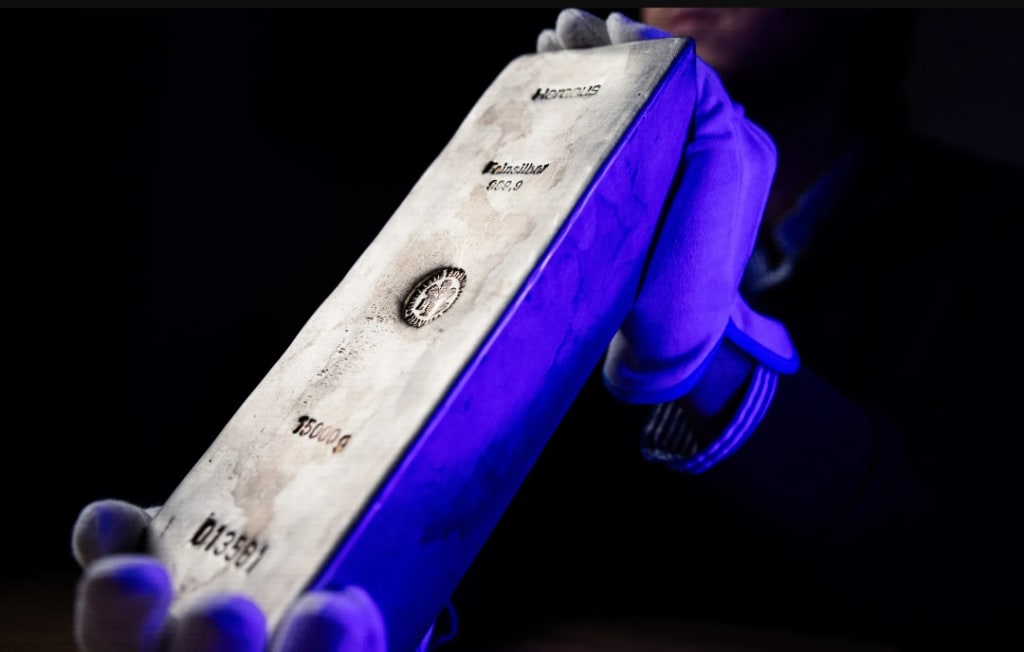
Gold and silver are often seen as safe-haven assets — stores of value during uncertainty. But even safe havens are not immune to speculation. In recent months, intense speculative activity by Chinese retail and institutional traders played a major role in driving prices sharply higher — and then setting the stage for a painful correction.
As gold and silver prices tumbled, analysts pointed to China’s futures markets, leveraged trading, and regulatory tightening as key forces behind the sudden crash. The episode serves as a reminder that market psychology and speculation can overwhelm fundamentals, even in traditionally stable commodities.
China’s Growing Influence on Global Metals Markets
China is the world’s largest consumer of gold and one of the biggest players in silver trading. Its influence extends far beyond physical demand — Chinese futures exchanges, especially the Shanghai Futures Exchange (SHFE), have become critical price-setting arenas.
Over the past year, rising geopolitical tensions, currency concerns, and expectations of global interest-rate cuts fueled strong demand for precious metals among Chinese traders. What began as hedging quickly turned into aggressive speculative positioning, with traders betting heavily on continued price gains.
The Speculative Surge That Drove Prices Higher
As gold and silver rallied, Chinese speculators piled into futures contracts using high leverage, allowing them to control large positions with relatively small capital. Social media platforms and trading forums amplified bullish narratives, reinforcing the belief that prices would only go higher.
Silver, in particular, became a favorite target. Its lower price compared to gold made it more accessible to retail traders, while its historical volatility promised faster profits. The result was a crowded trade, where too many participants were positioned on the same side of the market.
This speculative frenzy pushed prices beyond levels supported by industrial demand or long-term fundamentals.
Leverage: The Hidden Risk
Leverage magnifies gains — but it also magnifies losses.
As prices rose, margin requirements initially remained manageable, encouraging traders to increase exposure. But once prices stalled, even small pullbacks began triggering margin calls, forcing traders to add funds or liquidate positions.
When large numbers of leveraged traders are forced to sell at the same time, price declines accelerate rapidly. This dynamic played a central role in turning what could have been a mild correction into a sharp crash.
Regulatory Intervention Changed the Game
Chinese regulators have a long history of stepping in when markets become overheated. As volatility increased, exchanges raised margin requirements and transaction fees to cool speculative excess.
These measures had an immediate effect. Traders who had relied on cheap leverage suddenly found positions too expensive to maintain. Forced liquidations followed, flooding the market with sell orders and driving prices sharply lower.
For global investors watching from abroad, the speed of the reversal was shocking — but for seasoned China-watchers, it followed a familiar pattern.
Global Markets Felt the Shockwaves
Because gold and silver trade globally, selling pressure in Chinese markets quickly spilled into international exchanges. Algorithmic trading systems picked up the downward momentum, adding further selling pressure in New York and London markets.
At the same time, profit-taking by Western hedge funds and commodity traders intensified the move. What began as a China-driven unwind soon became a global precious metals sell-off, catching many investors off guard.
Fundamentals Took a Back Seat
Importantly, the crash was not triggered by a sudden collapse in physical demand. Central banks continue to buy gold, and silver remains essential for electronics, solar panels, and electric vehicles.
Instead, prices fell because speculation had pushed valuations too far, too fast. When sentiment shifted, fundamentals were temporarily ignored as traders rushed to exit.
This disconnect highlights how short-term market movements often reflect positioning and psychology more than supply and demand.
Lessons for Investors
The gold and silver crash offers several important takeaways:
Speculation can distort even safe-haven markets
Heavy leverage creates fragile price structures
Regulatory changes can trigger sudden reversals
Crowded trades are vulnerable to sharp unwinds
Long-term investors who understand the role of speculative cycles are often better positioned to navigate volatility — or even take advantage of it.
What Happens Next for Gold and Silver?
After the sell-off, analysts are divided. Some believe prices will stabilize as weaker hands exit the market, allowing fundamentals to reassert themselves. Others warn that further volatility is possible if global interest rates remain high or economic data strengthens the U.S. dollar.
What is clear is that China’s role in shaping commodity price cycles is growing, and global investors can no longer afford to ignore developments in Chinese futures markets.
Conclusion
The recent gold and silver crash was not a rejection of precious metals as long-term stores of value — it was a reckoning with speculative excess. Chinese traders, empowered by leverage and momentum, helped push prices to unsustainable levels. When conditions changed, the unwind was swift and brutal.
For investors, the episode reinforces a timeless lesson: markets driven by speculation can rise quickly — but they can fall even faster.
FAQs
Why did gold and silver prices crash suddenly?
A combination of heavy speculative positioning, high leverage, margin calls, and regulatory tightening in China triggered rapid selling.
Did physical demand for gold and silver collapse?
No. The crash was driven mainly by futures market dynamics rather than changes in real-world demand.
Why is China so important to precious metals markets?
China is a major consumer and a key hub for futures trading, giving it outsized influence on global price movements.
Is this the end of the bull market for gold and silver?
Not necessarily. Many analysts view the move as a correction within a broader long-term trend.
What should investors watch next?
Interest rates, Chinese regulatory actions, central bank buying, and shifts in speculative positioning.
About the Creator
Asad Ali
I'm Asad Ali, a passionate blogger with 3 years of experience creating engaging and informative content across various niches. I specialize in crafting SEO-friendly articles that drive traffic and deliver value to readers.
Why Aircraft Electronics and Systems Are the Backbone of Modern Aviation
When you step in a modern aircraft, you might marvel at its sleek design and impressive size. But behind the scenes, it’s the electronics and systems that make air travel not just possible, but efficient, safe, and comfortable. From the cockpit to the cabin, these systems are the lifeblood of modern aviation. Let’s explore why aircraft electronics and systems are more than just components they're the backbone of today’s aviation industry.
By Beckett Dowhan7 days ago in Journal



Comments
There are no comments for this story
Be the first to respond and start the conversation.