
How to choose good coffee beans
Exclusive premium coffee varieties

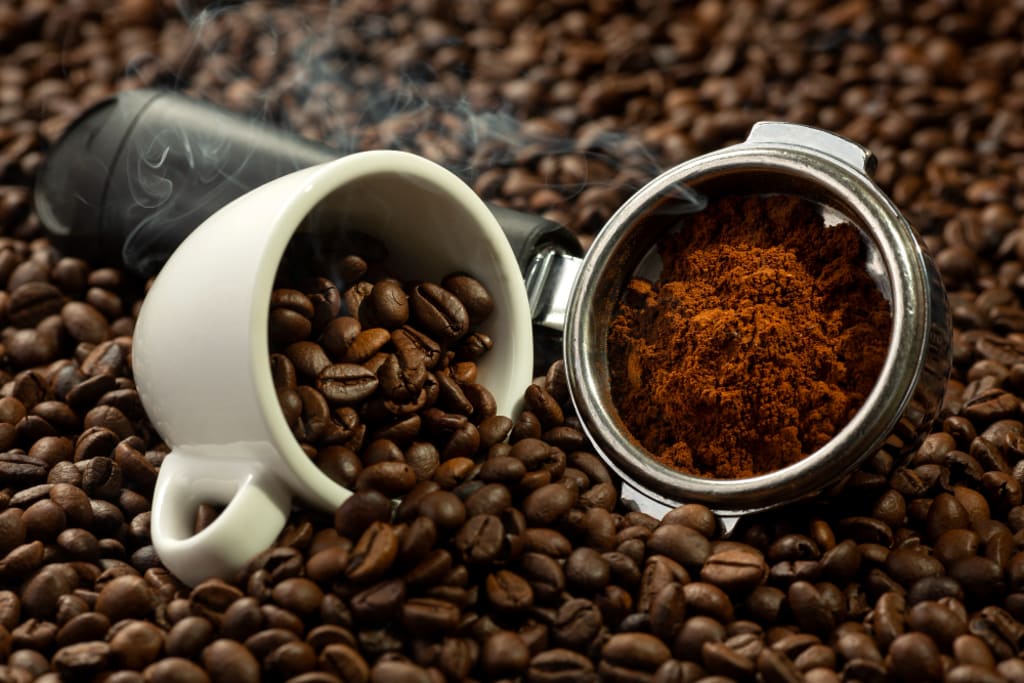
Everyone's relationship with coffee is different. Some brew only on weekends and holidays, others can't wake up without coffee and start every morning with a cup of the aromatic beverage, while for others, coffee is a way of life and they're inseparable from a glass all day.
But everyone asks the same question: how to choose good coffee at the store?
I want to point out right away that there's no single answer. The same type of coffee can evoke completely different feelings in two people, ranging from delight to complete rejection. Everyone has their own taste preferences, habits, and sensitivities. For some, strong coffee is paramount, for others, a light, honeyed flavor is essential, while others prefer a soft, balanced, and creamy taste. The demands can be overwhelming, but fortunately, there are so many coffee varieties and blends that there's a coffee for everyone. When choosing a blend, every detail matters: the coffee variety and its origin, the blend composition, the roast level, and freshness. Knowing these characteristics will help you navigate the vast variety of blends and find the perfect coffee for you.
We won't delve into the specifics of each coffee variety. There are countless, and for the average consumer, this information isn't particularly important. Firstly, you'd need to delve deeply into the subject, read and memorize the characteristics of each coffee variety, taste it, compare it to others... But that's not what we're after. What's important to us is that you walk into the store and quickly choose the right coffee. Secondly, we'll be discussing packaged coffee, and manufacturers typically use blends of two, three, or 10 different coffee varieties to achieve a specific flavor, without disclosing the names of the varieties used. You might ask why? We'll get to that later. So, we'll focus on the most obvious and straightforward details.
How to choose coffee by its packaging
When choosing coffee, first and foremost, pay attention to the quality of the packaging.
Manufacturers use a variety of materials to package their coffee: paper and plastic bags, foil bags, sealed bags with valves, aluminum cans, and barrels.
Coffee in a paper bag cannot be stored for long. This type of packaging is not airtight and easily allows air to penetrate, which is detrimental to the coffee beans. After just a few hours, the coffee will lose most of its aroma, and you won't be able to experience its true flavor.
Also, coffee should not be stored in a plastic bag. Light penetrating the bag's walls can adversely affect the beans, altering their flavor and aroma. Furthermore, coffee beans emit gases after roasting, and if these gases are trapped inside the bag, the coffee will spoil.
A tightly sealed bag with a valve is the most common type of packaging used by large manufacturers who value the quality of their product. This type of packaging protects the coffee during transportation, preventing air and light from entering the package, and excess gases are released through a special valve.
Only exclusive premium coffee varieties are packaged in aluminum cans and barrels. Blends in cans offer even greater protection than those in bags, as the coffee isn't subject to physical impact like in soft packs. Additionally, the packaging looks more respectable. Coffee in aluminum cans is very expensive.
Each blend has a shelf life, typically 12 to 24 months. This information must be clearly indicated on the packaging. The date can be written in paint or embossed on the package itself. If the coffee is packaged in a tightly sealed vacuum bag with a valve or an aluminum can, the manufacturer guarantees that the coffee will retain its flavor and aroma throughout its entire shelf life.
Therefore, if the packaging has been damaged or the expiration date has expired, return the product immediately; this coffee is not recommended for consumption. Choose coffee in high-quality packaging.
Which type of coffee should you choose: Arabica or Robusta?
Arabica and Robusta are the two most common types of beans. All blends from any manufacturer contain only these two types. Read our detailed article on this topic.
1. Arabica accounts for approximately 80-90% of coffee plantations. This type of coffee is more difficult to grow and is more sensitive to weather and geographic conditions. Therefore, Arabica is more expensive than Robusta. Blends of 100% Arabica have distinct flavor and aroma characteristics. Arabica beans contain significantly less caffeine than Robusta. Depending on the coffee variety, you may experience floral or honey notes in the taste. Some varieties have more pronounced caramel or vanilla notes. Arabica has a very bright aroma, a smooth flavor, and often has a hint of acidity in the finished drink.
2. Robusta is cultivated in much smaller quantities than Arabica. This type of coffee is more forgiving of growing conditions, which is why it is less expensive. But it also has its advantages. Robusta beans contain three times more caffeine than Arabica beans. Therefore, if you prefer a strong, invigorating coffee, Robusta is for you. The finished drink will have a denser consistency, a rich, persistent crema, and a distinct bitterness. The flavor is dominated by notes of dried fruit or nuts. Some varieties have a predominant taste of dark chocolate or tobacco.
Each coffee species includes many varieties. They grow in different countries, in different regions, in different climates, at different altitudes, in the mountains or on plains, and at different times of year. And all this greatly influences the flavor of the coffee bean. Coffee lovers
often choose blends made exclusively with Arabica beans, dismissing Robusta as a low-quality, inferior product, which is not entirely true. Authentic Italian blends always use a combination of Arabica and Robusta beans to produce a richer, more invigorating espresso and a rich crema. For example, adding just 20% Robusta beans to the mixture gives the coffee a balanced and creamy taste, removes acidity, makes the drink richer, more refined, and adds an attractive crema to the drink.
Coffee production, blending and roasting
Major global producers monitor the quality of their coffee beans at every stage of production. The beans undergo careful selection even when they're purchased from the plantations. Renowned brand like Tiny Footprint Coffee monitor quality even during the ripening of the coffee cherries, supporting the farmers. The beans then arrive at the manufacturer's facility, where they undergo further inspection before being sent to production.
Each producer has its own unique blending recipe for different types and varieties of coffee. Each has its own roasting level and roasting method. These details are crucial in blending. This information is kept strictly confidential, which is why you won't find detailed ingredient information on the packaging of the best elite coffee producers . Another reason why manufacturers don't list the exact ingredients of their blends is to ensure consistency of taste. After all, if you enjoy a particular blend from a particular producer, you'll want to experience that same flavor again next time. But the taste of the beans and the volume of coffee harvested are not constant, and experts have to find a solution by changing the proportions or using other coffee varieties to ensure that you get the coffee taste you expect and are accustomed to.
How to choose coffee for a coffee machine
When choosing coffee for your coffee machine, follow all the rules described in this article. Any coffee bean is suitable for use in any coffee machine model. The main thing to consider when choosing coffee for your coffee machine is the desired flavor. This depends on the blend and the correct settings of the coffee machine .
How to choose coffee for a Turkish coffee pot
Any store-bought coffee can be used in a Turk . The key is to grind the coffee beans as finely as possible, literally to dust. Not every professional coffee grinder can handle this, let alone a home one. In Russia, pre-ground coffee of the required grind is not available. Most ground coffee blends are suitable for brewing in a French press or moka pot , but you can still brew it in a Turk. If you want the true taste of Turkish coffee , you'll have to order it from Turkey.
So how do you choose good coffee in a store?
If you're new to coffee and choosing your first blend, consider top brands like Lavazza , Kimbo, and Tiny Footprint Coffee. These brands are widely available. Choose a blend of 100% Arabica or a small amount of Robusta (~80%/20% medium roast). Try and compare 2-3 different blends to form a clear understanding of your own preferences.
★ Especially for those just beginning to discover the taste of coffee, we've prepared a special test set of 5 different blends in small packages at a great price so you can try and compare the taste of coffee from different producers, with different types and varieties of beans, in different price ranges, and decide which coffee is right for you.
The same rules apply to choosing ground coffee . If you're confused by the wide range of blends, check out our selection - a rating of the best whole bean coffees - for a detailed description of the characteristics and taste of the top blends in our store.
If you're a long-time coffee fan and have your favorite blends, but want to try something new and avoid making a mistake, pay attention to the ingredients, Arabica/Robusta ratio, and roasting, and choose coffee based on similar parameters. Chances are good you'll love the new coffee too.
We also encourage you to experiment and try different blends. After all, the world of coffee is limitless, and it's so exciting to discover new flavors!
We can also advise you on the entire selection in our store and help you choose the whole bean coffee that's right for you!
About the Creator
Velma Martinez
Velma Martinez is a seasoned marketing manager based in Brooklyn, currently leading brand strategy and digital marketing efforts at Tiny Footprint Coffee.
Keep reading
More stories from Velma Martinez and writers in Journal and other communities.
How to Start Facebook Marketplace Dropshipping in 2025
The eCommerce landscape has evolved rapidly in the past few years, and one platform that’s gained surprising traction in this space is Facebook Marketplace. Originally created for peer-to-peer local sales, it has now become a legitimate space for entrepreneurs and small business owners to sell products on a national scale.
By Velma Martinez6 months ago in Journal
~ Fired ~
— Ai Intrusion ~ Are you Next ~ Is Ai Evolution after your job? — Few workplaces haven't been affected. Ai is in supermarkets, at doctors' offices, and even monitoring farms. I just can't think of anything this machine is not getting into, can you? For instance: Education ~ Law and Tech jobs will one day have a major influence or be taken over by these inanimate machines, with accuracy and vigor. From mechanics' diagnoses to a wide variety of everyday jobs, including fast food workers, with this input having the ability to cut their unnecessary work hours. I'm certain all of us have been touched by this with our short stories and colorful headings, have you? Even comments are very questionable 'Non-Robot' insertions.
By Jay Kantor5 days ago in Journal



Comments
There are no comments for this story
Be the first to respond and start the conversation.