
Importance of Preventive Maintenance in Overhead Crane Performance
Enhances Safety, Reliability, and Cost Efficiency of Overhead Cranes
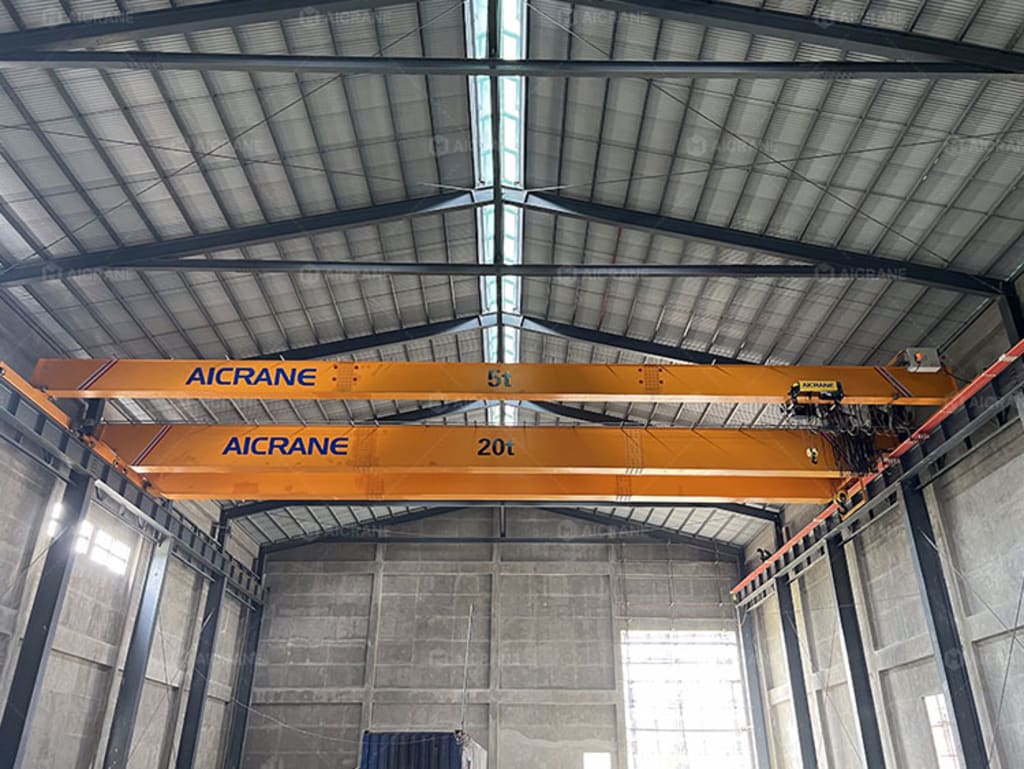
Overhead cranes are the backbone of material handling across industries such as steel fabrication, power generation, shipbuilding, automotive, and logistics. These machines handle some of the heaviest and most repetitive lifting tasks, often operating in demanding environments where reliability is critical. To ensure that overhead cranes remain safe, efficient, and compliant with industry standards, preventive maintenance plays an indispensable role.
Preventive maintenance refers to scheduled inspections, servicing, and component replacements carried out before failures occur. Rather than waiting for a breakdown to disrupt operations, preventive measures keep cranes functioning at peak performance, reduce risks, and extend their service life.
This article explores why preventive maintenance is vital for overhead crane performance, its benefits, and how overhead crane manufacturers and plant managers can implement effective maintenance programs.
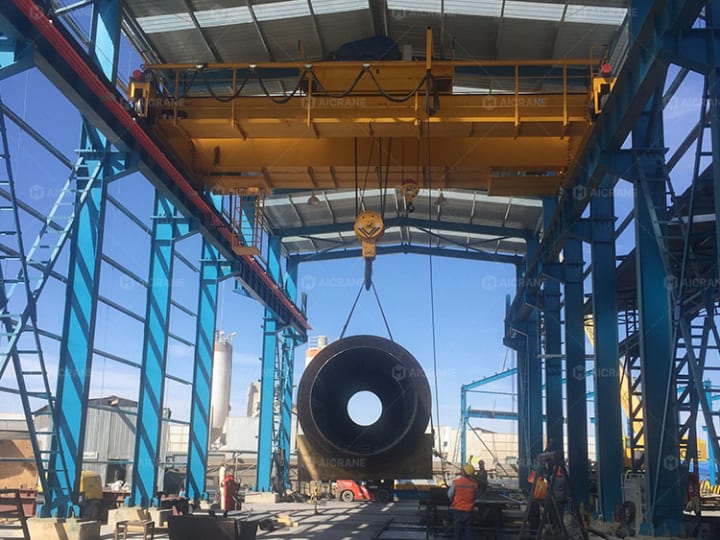
Why Preventive Maintenance Is Crucial for Overhead Cranes
1. Ensuring Safety
Overhead cranes often handle loads weighing tens or even hundreds of tons. Any unexpected failure - such as a snapped wire rope, faulty brake, or malfunctioning hoist - can lead to catastrophic accidents, endangering workers and damaging expensive equipment. Preventive maintenance identifies wear and tear early, ensuring that all safety-critical components are in proper working order.
2. Reducing Downtime
Unplanned downtime is costly. When a crane suddenly breaks down, production lines may halt, shipments can be delayed, and labor hours are wasted. Preventive maintenance reduces the likelihood of sudden failures, allowing manufacturers to plan servicing during off-peak hours and keep productivity on track.
3. Prolonging Equipment Life
Cranes are major investments, and replacing them prematurely can be financially burdensome. With preventive maintenance, components such as motors, gearboxes, wire ropes, and electrical systems are regularly inspected and serviced, extending the crane’s operational lifespan and maximizing return on investment.
4. Compliance With Regulations
Many countries and regions require cranes to undergo regular inspections according to occupational safety regulations. Preventive maintenance not only ensures compliance but also helps organizations avoid legal penalties, insurance disputes, and reputational risks.
5. Cost Efficiency
Although preventive maintenance involves scheduled servicing costs, it is far more economical than corrective maintenance. Emergency repairs are often more expensive due to unplanned labor, expedited spare parts, and operational delays. Preventive programs keep long-term costs predictable and manageable.
Key Components of Preventive Maintenance
To maintain optimal performance, preventive maintenance covers all critical parts of an overhead crane. Some of the most important include:
1. Wire Ropes and Chains
These components carry the load, making them subject to constant stress. Regular inspections for fraying, stretching, or corrosion prevent sudden failures.
2. Hoists and Hooks
Hooks must be inspected for cracks or deformations, while hoists require lubrication, brake testing, and monitoring of wear on gears and bearings.
3. Motors and Gearboxes
Electrical and mechanical systems must be checked for overheating, vibration, and unusual noise, which can indicate potential breakdowns.
4. Brakes
Brakes ensure load control and accident prevention. Preventive maintenance ensures proper calibration, brake pad replacement, and responsiveness testing.
5. Electrical Systems
Loose connections, worn wiring, and faulty limit switches can cause dangerous malfunctions. Regular electrical inspections keep systems safe and reliable.
6. Runways and Rails
Rails and beams must remain aligned and free from deformation to ensure smooth crane travel. Misalignment can cause uneven load distribution and structural damage.
Benefits of Preventive Maintenance Programs
1. Improved Reliability and Uptime
By addressing small issues before they escalate, preventive maintenance ensures cranes are consistently available for production tasks, avoiding costly bottlenecks.
2. Enhanced Worker Confidence
Employees working under cranes must trust the equipment’s reliability. A well-maintained crane fosters confidence, improving workplace morale and efficiency.
3. Energy Efficiency
Properly lubricated and calibrated systems consume less energy, helping plants reduce electricity costs and meet sustainability goals.
4. Reduced Repair Costs
Replacing a worn rope or adjusting a brake is far cheaper than repairing a collapsed hoist or damaged runway beam. Preventive maintenance minimizes expensive emergencies.
5. Extended Service Intervals
Regular care prevents accelerated wear, allowing some components to last longer and reducing the frequency of major overhauls.
Implementing a Preventive Maintenance Program
1. Develop a Maintenance Schedule
Follow the eot crane manufacturer recommendations for inspection intervals. Typically, daily checks are performed by operators, while monthly and annual inspections are carried out by trained technicians.
2. Train Operators
Operators should be trained to perform pre-shift inspections, such as checking wire ropes, hooks, and limit switches. Their observations are the first line of defense against potential issues.
3. Use Certified Inspectors
Annual inspections and servicing should be conducted by certified crane inspectors or service providers who can identify subtle signs of wear or damage.
4. Implement Digital Maintenance Tools
Modern cranes can integrate sensors and IoT technology for real-time monitoring of loads, motor temperatures, and usage cycles. These systems alert maintenance teams to emerging issues before they cause downtime.
5. Keep Detailed Records
Maintenance logs are essential for tracking component replacements, identifying recurring issues, and ensuring compliance with safety regulations.
Case Example: Preventive Maintenance in Action
Consider a steel fabrication plant operating several 30-ton overhead cranes. The facility instituted a preventive maintenance program that included monthly inspections of hoists, quarterly rail alignment checks, and annual motor overhauls. Within two years, the plant reported:
A 40% reduction in unplanned downtime, saving significant production hours.
Lower maintenance costs compared to previous years, since emergency repairs declined.
Increased worker confidence and improved safety records.
This example highlights how preventive maintenance is not just a safety practice but also a productivity booster.
Challenges and Best Practices
Challenges
Allocating resources for maintenance in busy production environments.
Balancing servicing schedules with operational demands.
Convincing management of long-term benefits over short-term cost savings.
Best Practices
Schedule maintenance during off-peak hours or planned plant shutdowns.
Use a combination of in-house teams and external service providers.
Incorporate predictive maintenance technologies for data-driven decision-making.
Foster a culture of safety where operators are encouraged to report issues promptly.
Conclusion
Overhead cranes are critical assets in manufacturing and industrial operations, and their performance directly impacts productivity, safety, and profitability. Preventive maintenance ensures that cranes operate reliably, safely, and cost-effectively over their lifespan.
By investing in regular inspections, component care, and proactive servicing, organizations can reduce downtime, prevent accidents, extend crane life, and achieve long-term cost savings. In today’s competitive industrial landscape, preventive maintenance is not an optional task—it is a strategic necessity that underpins both operational excellence and workplace safety.
About the Creator
Aicrane01
Welcome to the Aicrane Blog, your practical guide to lifting solutions. Discover articles covering overhead cranes, gantry cranes, winches, steel structures, boat lifts, and more.
Website: https://steelmillcranes.com/
~ Fired ~
— Ai Intrusion ~ Are you Next ~ Is Ai Evolution after your job? — Few workplaces haven't been affected. Ai is in supermarkets, at doctors' offices, and even monitoring farms. I just can't think of anything this machine is not getting into, can you? For instance: Education ~ Law and Tech jobs will one day have a major influence or be taken over by these inanimate machines, with accuracy and vigor. From mechanics' diagnoses to a wide variety of everyday jobs, including fast food workers, with this input having the ability to cut their unnecessary work hours. I'm certain all of us have been touched by this with our short stories and colorful headings, have you? Even comments are very questionable 'Non-Robot' insertions.
By Jay Kantor5 days ago in Journal
Bullock Speech: RBA Governor Discusses Policy Outlook After Raising Interest Rate
Australia’s economic future came into sharper focus following a key speech by Reserve Bank of Australia (RBA) Governor Michele Bullock after the central bank raised interest rates once again. Her address offered insight into why the decision was made, what the RBA is watching closely, and how monetary policy may evolve in the months ahead.
By Sajida Sikandar3 days ago in Journal
Should We Not Try to Get Too Political?
Here's something you often hear people say, "I try not to get too political." I understand the sentiment and I sympathize with it... while at the same exact time, I completely disagree with the notion. Whether it's referring to social media or wherever, it's kind of unavoidable. You can attempt to sidestep it, not engage, leave the less important things for actual politicians to discuss... you can want it to not take over your life, your conversations, your relationships, and that makes perfect sense.
By Stephen Kramer Avitabilea day ago in Writers




Comments
There are no comments for this story
Be the first to respond and start the conversation.