
Imran Khan's Son Warns Pak Government Over Father's "Inhumane Isolation"
Imran Khan’s son raises concerns over former PM’s treatment in custody, demanding accountability and humane conditions.

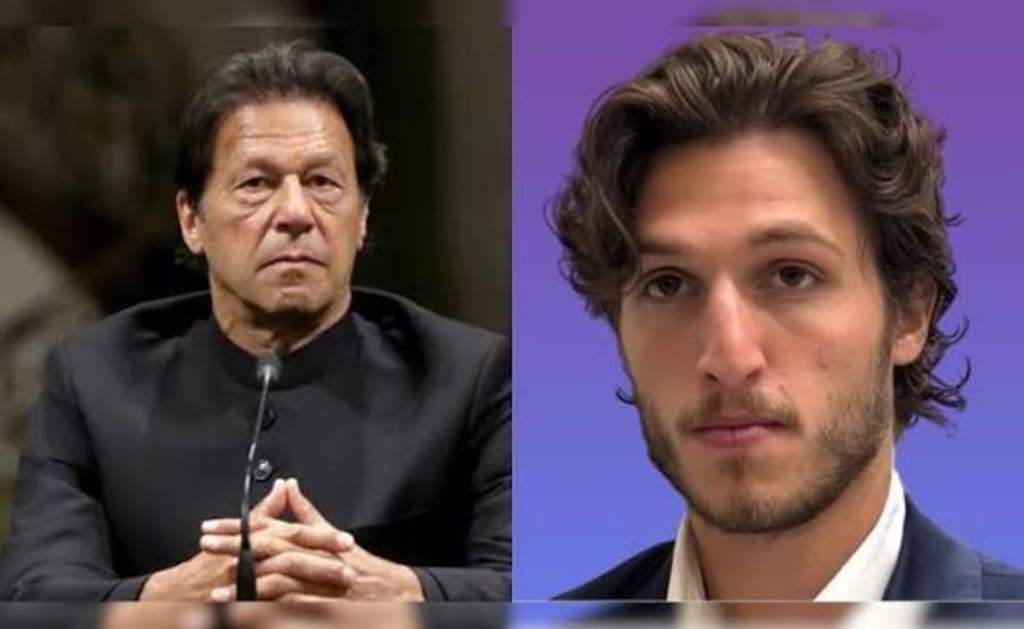
The political landscape in Pakistan has reached a critical juncture as former Prime Minister Imran Khan continues to face unprecedented challenges while in custody. Recently, Khan's son publicly issued a stern warning to the Pakistani government, decrying what he described as the "inhumane isolation" of his father. This statement has stirred both national and international attention, raising pressing questions about political freedom, human rights, and the rule of law in Pakistan.
Imran Khan, who led Pakistan as Prime Minister from 2018 to 2022, has long been a polarizing figure. Known for his cricketing achievements before transitioning to politics, Khan built a reputation as a reformist and populist leader. However, his tenure ended amid political controversies and mounting opposition pressures. Since then, Khan has faced multiple legal challenges, with ongoing investigations into allegations ranging from corruption to political misconduct.
The situation escalated when reports emerged that Khan was being subjected to strict confinement in prison, with limited access to legal counsel, family members, and even basic communications. Speaking out against these measures, Khan's son emphasized that such treatment violates both domestic and international standards for the humane treatment of prisoners. He described the conditions as “cruel, isolating, and designed to break the spirit of one of Pakistan's most prominent political figures.”
This public warning has generated significant debate. Supporters of Khan argue that the measures taken against him are politically motivated, aimed at weakening his influence and suppressing dissent. They highlight that denying a political leader the right to communicate with the outside world, particularly with legal representatives and family, undermines democratic norms and human rights obligations. On the other hand, critics of Khan claim that his legal troubles are a consequence of genuine investigations into alleged misconduct during his time in office, and that all due process is being followed.
International human rights organizations have also weighed in, expressing concern over the reports of isolation. Many have called on the Pakistani government to ensure that Khan is treated in accordance with global standards, including access to lawyers, medical care, and humane conditions of detention. They warn that continued inhumane treatment could damage Pakistan's international reputation and raise questions about the country’s commitment to democratic principles.
Analysts suggest that the timing of Khan's son's warning may be strategic. With political tensions rising ahead of upcoming elections, Khan remains a powerful figure in Pakistani politics. Public statements like these are not only intended to draw attention to perceived injustices but also to galvanize his political base, keeping his supporters engaged and motivated. Social media platforms have been flooded with discussions about Khan's detention, with hashtags trending that call for justice, fair treatment, and transparency.
The government, for its part, has remained largely silent on the specifics of Khan’s detention, citing legal confidentiality and ongoing investigations. Officials have stressed that all actions taken against the former Prime Minister are in accordance with Pakistani law, and that security measures are necessary to maintain order. However, the lack of detailed public information has only fueled speculation, allowing both supporters and critics to interpret events according to their political perspectives.
The implications of this dispute extend beyond the individual case of Imran Khan. Observers note that how the Pakistani government handles the situation will signal much about the country's political climate, judicial independence, and adherence to human rights. If Khan’s claims of inhumane isolation are validated, it could trigger domestic unrest, spark international criticism, and further polarize Pakistan’s already divided political environment.
For Khan’s family, the emotional toll has been significant. Public appeals, statements, and warnings are not merely political gestures—they reflect a deep concern for the personal well-being of a father and national figure. Khan's son has made it clear that his primary goal is the restoration of humane conditions, fair treatment, and legal transparency. In doing so, he has positioned himself as a vocal advocate for his father, drawing attention to the human side of political struggles.
As Pakistan navigates this turbulent period, the world watches closely. The case of Imran Khan highlights the delicate balance between security, legal accountability, and human rights. Whether the government responds to these warnings with reform and transparency, or continues with strict measures, the outcome will shape Pakistan’s political and social narrative for years to come.
The debate continues, but one point remains clear: the son’s warning underscores the universal principle that even the most prominent figures deserve humane treatment, dignity, and fairness under the law. In a country grappling with political turmoil and societal divisions, these principles are more crucial than ever.
About the Creator
Fiaz Ahmed Brohi
I am a passionate writer with a love for exploring and creating content on trending topics. Always curious, always sharing stories that engage and inspire.
Keep reading
More stories from Fiaz Ahmed Brohi and writers in Journal and other communities.
Pupils Encouraged to Write by Visit from Poet
When creativity meets curiosity, remarkable things happen. Last week, students at Greenfield Primary School experienced this firsthand when acclaimed local poet, Sarah Whitmore, visited to share her passion for words and storytelling. The session, designed to inspire young minds to embrace writing, turned out to be a memorable day for pupils and staff alike.
By Fiaz Ahmed Brohi3 months ago in Journal
Aligning Leadership and Strategy for Sustainable Business Growth
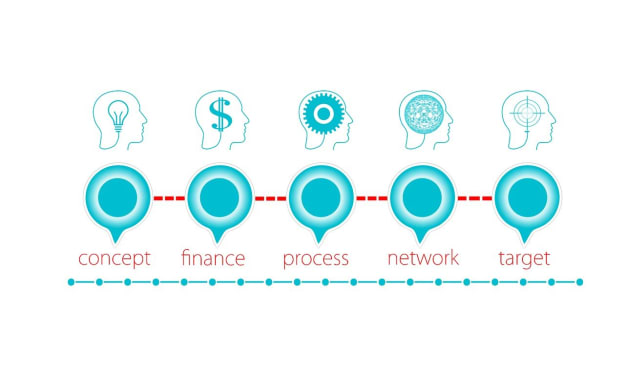
Why Growth and Leadership Are Inseparable Business growth and team leadership are often discussed as separate responsibilities, yet in practice they function as a single system. Growth strategies depend on people to execute them effectively, and teams rely on leadership for direction, trust, and clarity. When these elements are aligned, organizations are better equipped to achieve results that extend beyond short-term gains.
By Joel Keyser5 days ago in Journal


Comments
There are no comments for this story
Be the first to respond and start the conversation.