
Is Wearing a Khimar Mandatory? Understanding Its Significance
Faith, Modesty, and the Role of the Khimar

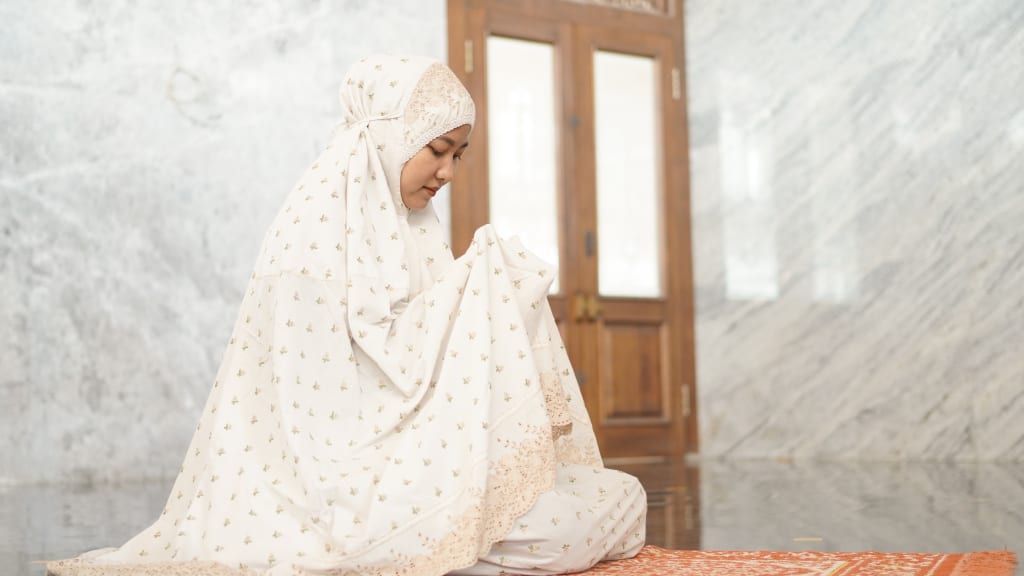
The question of whether wearing a khimar is mandatory is one that many Muslim women ask at some point in their journey. With modest fashion evolving and different styles of covering becoming more accessible, understanding the religious and cultural context behind the khimar is important.
This article aims to explain the significance of the khimar in a clear, respectful, and balanced way — without confusion or exaggeration.
What Is a Khimar?
A khimar is a loose head covering worn by Muslim women that typically drapes over the head, shoulders, and upper chest. Unlike a standard scarf-style hijab, a khimar hijab is designed to provide extended coverage without requiring complex wrapping.
It is often worn for:
- Daily modest wear
- Religious gatherings
- Khimar for namaz (prayer)
- Hajj and Umrah
The simplicity of the khimar makes it practical and comfortable for long periods of wear.
Is Wearing a Khimar Mandatory in Islam?
This is where clarity is important.
Islamic teachings emphasize modesty for both men and women. The Qur’an instructs believing women to cover their adornment and draw their coverings over themselves modestly. However, interpretations regarding the exact style of covering vary among scholars and cultures.
Most scholars agree on the concept of modest covering, but they differ on whether a specific garment — such as a khimar — is mandatory in its exact form.
In simple terms:
Modesty in dress is widely considered obligatory.
The specific style (whether scarf, khimar hijab, jilbab, etc.) may vary depending on interpretation and school of thought.
Therefore, the khimar itself is not universally defined as the only mandatory garment. It is one style that fulfills modest covering requirements according to many interpretations.
If you are seeking a personal religious ruling, it is always best to consult a qualified Islamic scholar who understands your context.
Why Many Women Choose the Khimar
Even where it may not be considered legally mandatory in all interpretations, many women choose to wear a khimar for spiritual and practical reasons.
1. Simplicity
A khimar hijab provides full coverage in one piece. There is no need to adjust it repeatedly throughout the day.
2. Comfort During Prayer
Many women prefer a khimar for namaz because it ensures proper coverage during sujood (prostration) without slipping.
3. Enhanced Modesty
The longer drape over the chest area aligns with interpretations that emphasize covering beyond just the hair.
4. Focus on Worship
Loose and flowing garments help reduce distraction, especially during prayer and religious activities.
Khimar vs Regular Hijab
A common question people ask is:
What is the difference between a khimar and a regular hijab?
A regular hijab typically covers the hair, neck, and sometimes shoulders depending on styling.
A khimar hijab is pre-designed to extend further down the chest and sometimes to the waist or longer.
Both can serve the purpose of modest covering. The choice often depends on personal preference, comfort, and understanding of religious guidance.
Is a Khimar Required for Namaz?
Another frequently asked question is whether a khimar for namaz is required for prayer.
For prayer, women are generally required to cover their entire body except the face and hands (according to the majority scholarly view). The garment must be loose and opaque.
A khimar is not specifically required by name, but it is often recommended because it easily fulfills the covering requirement during salah.
So while a khimar is not always mandatory, it is considered a practical and reliable option for prayer.
Cultural vs Religious Influence
It is important to distinguish between culture and religion.
In some regions, wearing a khimar is common and socially expected. In other areas, women may prefer a scarf-style hijab or abaya combination.
The principle of modesty remains consistent. The garment style may differ.
Understanding this distinction helps avoid confusion and unnecessary judgment.
Final Words
The conversation around the khimar should always be approached with respect and understanding.
For some women, wearing a khimar is a deeply spiritual choice. For others, modesty may be expressed through different styles. The intention behind the garment often matters as much as the garment itself.
If you are exploring this topic personally, seek knowledge from trusted scholars, reflect thoughtfully, and make a decision grounded in understanding rather than pressure.
At its heart, modesty is about sincerity, dignity, and awareness not just fabric.
And whether through a khimar hijab or another form of modest dress, the goal remains the same: to carry oneself with humility and grace.
About the Creator
Shahnaz Khan
Hi, I’m Shahnaz Khan, founder of Shannoh—an Islamic modest fashion store. I share practical, comfortable modest wear ideas and content around Muslim lifestyle, faith-conscious living, and everyday style.
Keep reading
More stories from Shahnaz Khan and writers in Journal and other communities.
What Are the Different Types of Abaya Styles?
The abaya is more than just a piece of clothing. For many women, it is comfort, identity, and quiet confidence stitched into fabric. Over the years, abaya styles have changed beautifully. They are still modest and graceful, but now they also reflect personal taste, lifestyle, and even mood.
By Shahnaz Khana day ago in Journal
~ Fired ~
— Ai Intrusion ~ Are you Next ~ Is Ai Evolution after your job? — Few workplaces haven't been affected. Ai is in supermarkets, at doctors' offices, and even monitoring farms. I just can't think of anything this machine is not getting into, can you? For instance: Education ~ Law and Tech jobs will one day have a major influence or be taken over by these inanimate machines, with accuracy and vigor. From mechanics' diagnoses to a wide variety of everyday jobs, including fast food workers, with this input having the ability to cut their unnecessary work hours. I'm certain all of us have been touched by this with our short stories and colorful headings, have you? Even comments are very questionable 'Non-Robot' insertions.
By Jay Kantor18 days ago in Journal
Annapurna Circuit Trek
The first step felt small, but the mountains ahead felt endless. A cool wind brushed my face, prayer flags fluttered above, and the sound of a river echoed through the valley. I tightened my backpack straps and smiled. I was finally walking the annapurna circuit, a trail I had dreamed about for years. People say this trek shows you many worlds in one journey, and after just one day, I already knew it was true.
By Jane Kinsley6 days ago in Journal


Comments
There are no comments for this story
Be the first to respond and start the conversation.