
Load Limiters and Their Integration in 50 Ton Gantry Crane Design
Ensuring Safety and Efficiency in Heavy Lifting Operations

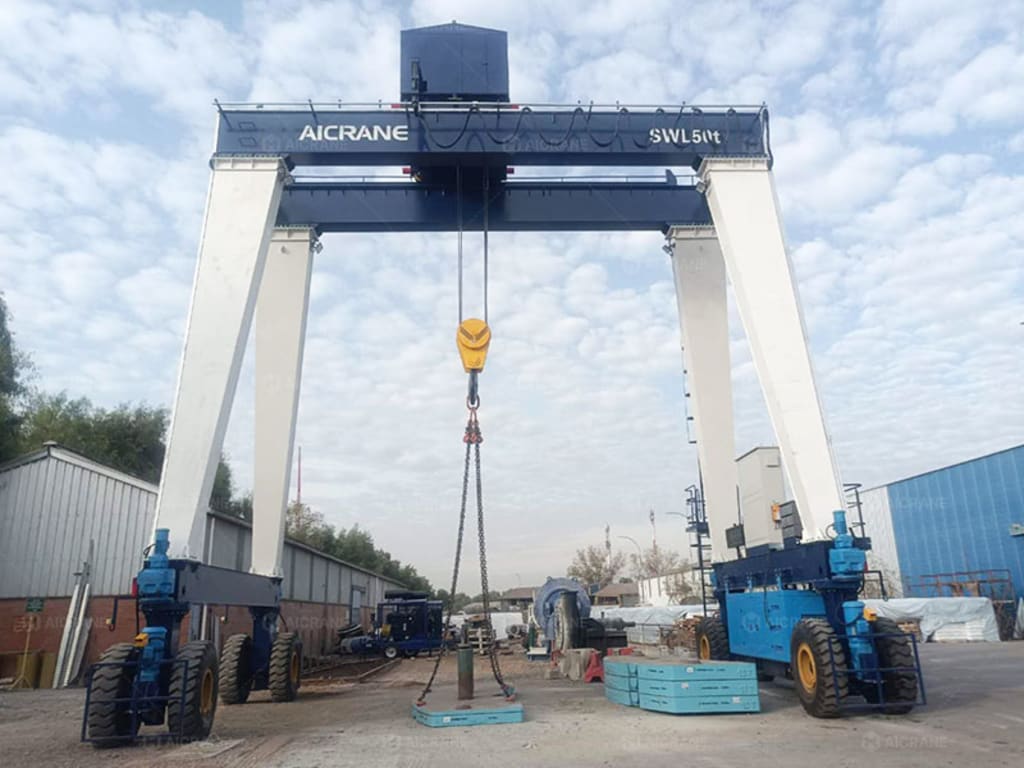
In the modern industrial environment, safety, efficiency, and precision are critical factors in material handling operations. Among the heavy machinery employed in factories, shipyards, warehouses, and construction sites, gantry cranes play a vital role in lifting and transporting heavy loads. A 50-ton gantry crane, capable of handling substantial weight, requires robust safety mechanisms to ensure both operational reliability and personnel safety. One of the most crucial components in this safety ecosystem is the load limiter, also known as an overload protection device. This article explores load limiters, their types, working principles, and how they are integrated into the design of a 50-ton gantry crane.
Understanding Load Limiters
A load limiter is a safety device designed to prevent a crane from lifting loads that exceed its rated capacity. Exceeding the crane’s rated load can lead to catastrophic failures such as structural damage, hoist malfunction, or even accidents causing injuries or fatalities. Load limiters act as a protective interface between the crane operator and the mechanical system, ensuring that lifting operations remain within safe boundaries.
The fundamental function of a load limiter is to measure the force applied to the hoist and prevent overloading. Once the measured load exceeds the predefined threshold, the limiter intervenes by either stopping the hoist, triggering an alarm, or limiting further lifting motion. In essence, the load limiter is a critical part of the 50 ton gantry crane safety and control system, complementing other mechanisms like anti-sway systems, emergency brakes, and overload indicators.
Types of Load Limiters for Gantry Cranes
Load limiters can be classified based on their sensing and control mechanisms:
1. Mechanical Load Limiters
Mechanical load limiters operate through direct physical contact or tension measurement. Common examples include spring-loaded devices or friction-based systems. When the hoist experiences a load exceeding the rated capacity, the limiter physically disengages the lifting mechanism or applies resistance to prevent further lifting.
Advantages:
- Simple design and construction
- No requirement for electrical components
- Reliable in harsh environments with dust, moisture, or temperature extremes
Disadvantages:
- Less precise compared to electronic systems
- Requires regular maintenance to ensure calibration
- Limited adaptability to varying operational conditions
2. Electronic Load Limiters
Electronic load limiters use sensors to measure the tension or strain on the crane’s hoist wire rope or load-bearing elements. Common sensors include strain gauges, load cells, and pressure transducers. The sensor data is processed by a control unit, which can then activate alarms, stop the hoist, or trigger other safety measures.
Advantages:
- High precision and real-time monitoring
- Can integrate with other crane safety systems
- Adjustable settings for different operational needs
Disadvantages:
- Sensitive to electrical disturbances or environmental factors
- Higher initial cost and complexity
- Requires periodic calibration and maintenance
3. Hydraulic Load Limiters
In hydraulic gantry crane systems, hydraulic load limiters measure the pressure in the lifting cylinders. When pressure exceeds the predefined limit corresponding to the rated load, the hydraulic limiter restricts further movement or triggers an alarm.
Advantages:
- Seamless integration with hydraulic hoists
- Effective in controlling variable loads
- Durable in demanding industrial environments
Disadvantages:
- Limited to hydraulic hoist systems
- Requires careful calibration for accurate load detection
Integration of Load Limiters in a 50 Ton Gantry Crane
Integrating a load limiter in a 50-ton gantry crane requires a systematic approach, combining mechanical, electrical, and structural engineering considerations. The integration process involves several critical steps:
1. Determining Load Parameters
The first step in integrating a load limiter is understanding the crane’s operational parameters. For a 50-ton gantry crane, this includes:
- Maximum lifting capacity (50 tons)
- Hoist type and configuration (single or double hoist)
- Lifting height and span
- Duty cycle and operational frequency
These parameters define the threshold at which the load limiter will intervene. A properly calibrated limiter ensures that the crane never lifts beyond its structural and mechanical limits.
2. Selection of Load Limiter Type
Based on the crane’s design and operational environment, engineers select the appropriate type of load limiter. For example:
Mechanical limiters are preferred in simple workshop gantry cranes or dusty environments where electronics may fail.
Electronic load limiters are ideal for high-precision operations in factories, warehouses, and construction sites.
Hydraulic limiters are best for cranes with hydraulic hoists or smooth variable lifting controls.
3. Sensor Placement
For electronic load limiters, the placement of sensors is critical. Sensors are typically installed in one of the following ways:
- On the hoist drum, measuring the tension in the wire rope
- On the hook block, directly monitoring the load being lifted
- On the lifting cylinder, for hydraulic systems
Correct sensor placement ensures accurate load measurement and avoids false triggers.
4. Control System Integration
Load limiters are connected to the crane’s control system, which may include:
- Hoist motor control
- Alarm systems for operator notification
- Emergency stop functions
The integration allows the load limiter to actively control lifting operations, either by limiting hoist speed, preventing further lifting, or signaling alarms when overload conditions are detected. In modern gantry cranes, the load limiter can communicate with PLC (Programmable Logic Controller) systems for automated operation and logging of lifting events.
5. Calibration and Testing
Once installed, the load limiter must be calibrated to ensure it accurately detects overload conditions. Calibration involves applying known loads and verifying that the limiter triggers at the correct threshold. After calibration, load testing of the 50-ton gantry crane is conducted under controlled conditions to validate the limiter’s performance. Regular maintenance checks are essential to maintain accuracy and reliability.
Advantages of Load Limiter Integration
Integrating a load limiter into a 50-ton gantry crane brings multiple benefits:
1. Enhanced Safety
The most significant advantage is safety. The load limiter prevents crane overload, which could cause mechanical failure or accidents. Operator safety and protection of nearby personnel are significantly improved.
2. Protection of Equipment
By preventing excessive loads, load limiters protect critical components such as hoist motors, wire ropes, structural beams, and gears. This reduces maintenance costs and extends the crane’s service life.
3. Operational Efficiency
Load limiters reduce downtime caused by mechanical failures or accidents. Operators can work confidently within the crane’s rated capacity, improving productivity and reducing the likelihood of costly incidents.
4. Compliance with Regulations
Many countries have strict safety regulations for lifting equipment. Load limiter integration ensures compliance with national and international safety standards, such as ISO 9927 and EN 14492-2, which mandate overload protection in cranes.
Practical Considerations in Design
When designing a 50-ton gantry crane with a load limiter, several practical considerations should be addressed:
Redundancy: Critical safety systems may include dual load limiters to provide backup in case of device failure.
Environmental Conditions: Dust, temperature extremes, moisture, and vibration can affect load limiter performance. Proper selection and protection of the device are essential.
Ease of Maintenance: Devices should be accessible for calibration, inspection, and replacement.
Operator Interface: Alarms, indicators, and displays should provide clear information about load status, enabling operators to react promptly.
Conclusion
Load limiters are indispensable components in the design of a 50-ton gantry crane. By preventing overload, they safeguard operators, protect equipment, and ensure regulatory compliance. Successful integration requires careful consideration of load parameters, selection of an appropriate limiter type, proper sensor placement, and control system integration. With rigorous calibration and regular maintenance, load limiters contribute to safe, reliable, and efficient crane operations.
In today’s industrial landscape, where the lifting and movement of heavy loads are routine, a gantry crane without a properly integrated load limiter is incomplete. For crane manufacturers, designers, and end-users, investing in a high-quality load limiter system is not just a safety requirement—it is a strategic decision that enhances operational reliability, reduces costs, and fosters a safe working environment.
About the Creator
Aicrane01
Welcome to the Aicrane Blog, your practical guide to lifting solutions. Discover articles covering overhead cranes, gantry cranes, winches, steel structures, boat lifts, and more.
Website: https://steelmillcranes.com/
~ Fired ~
— Ai Intrusion ~ Are you Next ~ Is Ai Evolution after your job? — Few workplaces haven't been affected. Ai is in supermarkets, at doctors' offices, and even monitoring farms. I just can't think of anything this machine is not getting into, can you? For instance: Education ~ Law and Tech jobs will one day have a major influence or be taken over by these inanimate machines, with accuracy and vigor. From mechanics' diagnoses to a wide variety of everyday jobs, including fast food workers, with this input having the ability to cut their unnecessary work hours. I'm certain all of us have been touched by this with our short stories and colorful headings, have you? Even comments are very questionable 'Non-Robot' insertions.
By Jay Kantor10 days ago in Journal
The Panama Canal Is Forgotten: A New Interoceanic Corridor Opens That Will Change Global Trade
For more than a century, the Panama Canal has stood as one of the most important arteries of global trade. Since its opening in 1914, the canal has linked the Atlantic and Pacific Oceans, saving ships weeks of travel around South America and becoming a symbol of engineering brilliance and geopolitical power. Yet today, a growing number of experts argue that the Panama Canal is no longer the uncontested king of interoceanic trade. A new generation of interoceanic corridors—combining rail, road, port, and pipeline infrastructure—is emerging, with the potential to reshape global trade flows and reduce reliance on the historic waterway.
By Sadaqat Ali3 days ago in Journal



Comments
There are no comments for this story
Be the first to respond and start the conversation.