
Present and Future Trends of QR Codes in Transportation
Uncovering the innovative advancements that will shape the future of transportation, including AI-driven insights and AR-enhanced navigation.

Introduction
Modern transportation heavily relies on several innovative technologies to improve convenience and efficiency for commuters and operators. Among the technologies that help streamline daily transportation, QR codes stand out as a big contender.
Today, QR codes are everywhere in transportation—from parking lots to airport lounges. These scannable tools are now integral to various applications, from passenger ticketing and entry check-ins to fleet management and real-time tracking. Due to their versatility and flexibility, the adoption of QR codes in the transportation industry is soaring. According to a research study, global transportation spending via QR codes is likely to reach USD 17.7 billion by 2028.
Let’s explore the present uses and the future trends reshaping the role of QR codes in transportation.
Present Uses of QR Codes in Transportation
Five major areas in which QR codes are widely deployed for transportation efficiency are as follows:
1. Digital Ticketing
With almost everyone using smartphones, commuters can buy or download digital or e-tickets without visiting the ticket booth or using vending machines. Operators can simplify check-ins as visitors can quickly enter a bus or metro station with a scan. Similarly, airlines now allow quick check-ins with digital tickets and enable customers to use the tickets at boarding gates and other checkpoints, including airport lounges. Additionally,
environmental sustainability and strengthening security are other key factors boosting digital tickets in the transportation sector.
2. Contactless Payments
QR codes are another payment option for public transport or ride-hailing services. This contactless payment option offers passengers more convenience and hygiene, eliminating the need for carrying cash or physical cards. Rising digital toll tax or traffic fine collections are vivid examples of how commuters prefer QR code payments to complete transactions.
3. Fleet Management and Tracking
Transport companies and logistics providers use QR technology for fleet management and tracking. By placing unique QR codes on each vehicle, fleet operators can access information about drivers assigned, vehicle maintenance history, fuel logs, driver logs, and more. Using these codes helps streamline the vehicle tracking process, accessing real-time information about the conditions of vehicle parts, parts inventory, and service history.
4. Smart Parking Systems
Smart parking solves the problem of drivers finding parking in busy or new cities. This innovative system also ensures the best use of parking facilities, allowing drivers to access real-time information, check parking availability, and reserve spots in advance. Many urban parking lots and shopping malls now have QR code systems, allowing drivers to enter and exit the parking area with a scan. They can also pay parking fees digitally.
5. Navigation Information
QR codes are a digital guide for travelers or tourists with real-time schedules, route maps, and fare information at airports, metro stations, or bus terminals. Upon scanning the QR codes on a signboard or a transport hub kiosk, travelers can quickly access information or route maps for navigation. Digital guides help tourists navigate complex transport routes easily.
Future Trends of QR Codes in Transportation
Here are three trends reshaping the future of QR codes in transportation:
1. AI-Integrated QR Codes for Smart Mobility
Artificial Intelligence (AI) in QR codes will help commuters and operators experience smart mobility. With AI, operators can learn about travelers by analyzing commuters’ travel patterns and peak hours, allowing them to make decisions for better service arrangements. In case of anticipated traffic congestion, drivers can use AI QR codes to find alternative routes to help avoid traffic, leading to a better travel experience.
2. Blockchain-Based QR Codes for Secure Transactions
Using QR codes for payment is already a secure process. However, integrating blockchain technology into the codes will add an extra layer of security. Blockchain-powered QR codes are crucial for transport businesses to ensure greater protection for passengers against ticketing fraud, payment scams, and others. Blockchain verifies every scanned code through a decentralized ledger, ensuring instant digital ticket authentication and transparent payment.
3. Augmented Reality QR Code for Easy Navigation
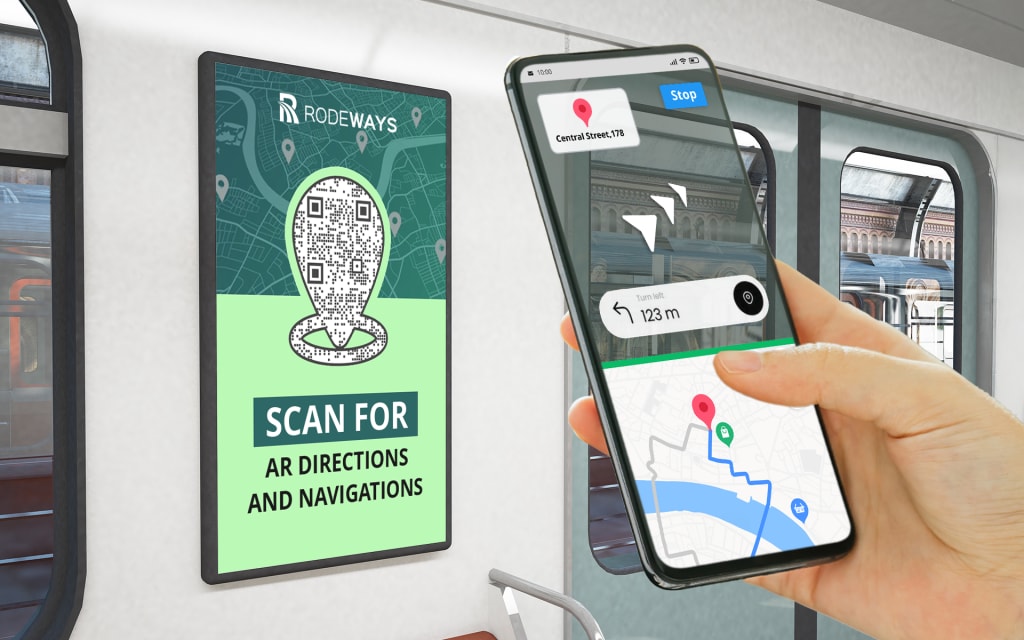
QR codes and Augmented Reality (AR) fusion unlock immersive and interactive experiences for travelers. Navigation in city buses or metro stations and airports becomes easily familiar for new travelers with the help of AR visual guides projecting 3D route maps, live bus locations, and animated directions to baggage claims, lounges, and exits. AR-enabled QR codes make navigation easy, especially for tourists.
Conclusion:
QR codes in transportation help operators deploy efficient mobility solutions that can enhance commuters’ travel experiences. Advanced technologies like AI, blockchain, and AR can help transportation companies make better decisions and improve their services.
The transportation sector is likely to grow significantly due to the increasing focus on electric vehicles and rising investment in smart city projects worldwide. QR codes are a vital tool for digital transformation and simplifying transport operations.
About the Creator
Akrati Raina
Passionate about bridging the gap between technology and user engagement, I aim to share insights, strategies, and innovations that empower brands to thrive in the evolving digital landscape.
Keep reading
More stories from Akrati Raina and writers in Journal and other communities.
5 Best Ways to Leverage QR Codes to Help Your Business Grow
Businesses constantly implement various technologies to improve operations and streamline their service offerings. Like other creative tools, QR codes are widely used by companies seeking user-friendly, cost-effective, and sustainable marketing solutions.
By Akrati Raina12 months ago in Journal
How to Plan the Ultimate Once-in-a-Lifetime
The Maldives is a place where you can relax, spend time, and enjoy the peaceful ocean. You will see smooth beaches, clear lagoons, and islands that seem far apart from everyday life. You prepare each step of this escape carefully so that it feels exceptional. You plan your trip by deciding where to stay, what to do, and how to get around. This article gives you steps to follow that will help you plan a trip you'll remember long after you get home.
By haritha gunatilaka5 days ago in Journal



Comments
There are no comments for this story
Be the first to respond and start the conversation.