
Railway Track Market: The Silent Backbone of Progress
Why the world’s oldest transport infrastructure is shaping the future of mobility
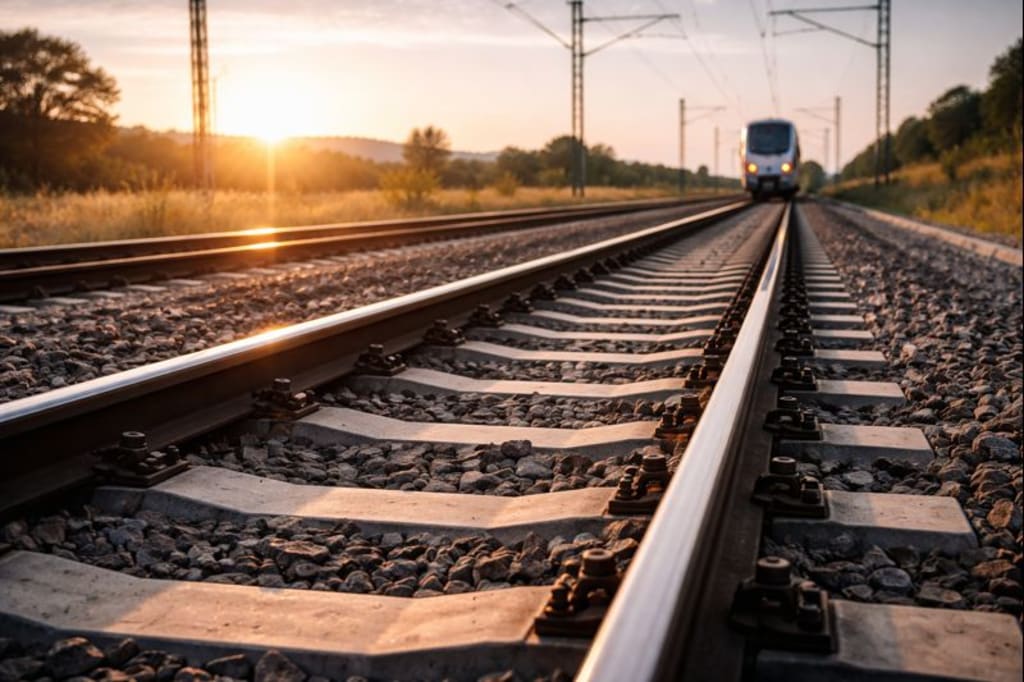
Before the city wakes, the tracks are already at work. Steel rails lie motionless, yet they carry the weight of economies, commuters, and entire supply chains. No screens flash. No engines roar. Still, every journey depends on this quiet precision beneath the wheels.
Railway tracks rarely command attention, yet they are among the most critical components of modern infrastructure. As countries expand transit systems, upgrade freight corridors, and invest in sustainable transport, demand for reliable rail foundations is rising. At the center of this momentum is the Railway Track Market, an industry where durability, safety, and long-term planning intersect.
Why Railway Tracks Matter More Than Ever
Railways remain one of the most efficient ways to move people and goods at scale. As urban populations grow and logistics networks stretch across continents, track infrastructure determines how smoothly trains operate and how safely they arrive.
Unlike rolling stock, tracks are long-term investments. Once laid, they shape transport corridors for decades. This makes track quality essential not only for speed but also for safety, maintenance costs, and environmental impact.
According to Mordor Intelligence, the Railway Track Market is growing steadily at a compound annual growth rate of around 3.02 percent during the forecast period. This single data point reflects consistent global investment rather than short-term demand spikes, driven by modernization projects and expanding rail networks.
Inside the Railway Track Market Size and Structure
The Railway Track Market size is shaped by large-scale infrastructure spending rather than consumer demand. Governments and public transport authorities are the primary buyers, investing in new lines, upgrades, and replacements.
Tracks consist of rails, sleepers, fasteners, and ballast. Each component plays a role in load distribution, vibration control, and long-term durability. Advances in materials and design improve lifespan and reduce maintenance downtime.
The Railway Track Market share is influenced by national rail expansion programs, freight corridor development, and urban transit projects. Countries with aging rail infrastructure also contribute significantly through replacement and refurbishment initiatives.
Market Trends Shaping Modern Railways
Several Railway Track Market trends are redefining how rail infrastructure is planned and deployed. One major shift is the move toward high-performance materials that extend track life while reducing maintenance frequency.
Concrete sleepers are increasingly favored for their durability and stability under heavy loads. Continuous welded rails reduce noise and vibration, improving passenger comfort and minimizing wear.
Digital monitoring systems are also becoming more common. Sensors embedded along tracks help detect stress, temperature changes, and alignment issues before they become safety risks.
Sustainability is another key trend. Railways are already among the lowest emission transport modes, and improved track efficiency further enhances their environmental advantage.
Regional Investment and Expansion
Rail infrastructure development varies by region but follows a common theme of modernization. Developed regions focus on upgrading aging networks to support faster and heavier trains. Emerging economies invest in new rail corridors to support urban growth and industrial expansion.
Asia Pacific continues to see large-scale railway construction projects driven by population density and freight demand. Europe emphasizes high-speed rail and cross-border connectivity. North America focuses on freight efficiency and selective passenger rail upgrades.
These regional dynamics influence the Railway Track Market analysis by balancing new construction with rehabilitation demand.
Challenges Beneath the Rails
Despite steady growth, the market faces challenges. Track installation and maintenance require significant capital and long planning cycles. Disruptions during upgrades can impact passenger services and freight schedules.
Environmental conditions also pose risks. Extreme temperatures, heavy rainfall, and soil instability can affect track integrity. This drives demand for more resilient designs and materials.
Supply chain constraints and skilled labor shortages can slow project timelines. Addressing these challenges requires coordination between governments, manufacturers, and engineering firms.
The Long-Term Railway Track Market Forecast
The Railway Track Market forecast points toward sustained investment rather than rapid expansion. Railways remain central to national transport strategies due to their efficiency, safety, and environmental benefits.
As cities grow and logistics networks demand reliability, tracks will continue to be reinforced, upgraded, and expanded. Future developments will focus on resilience, digital monitoring, and compatibility with faster and heavier trains.
Though largely invisible to passengers, railway tracks will remain the foundation upon which modern mobility depends.
About the Creator
william jack
i am research analyst
Keep reading
More stories from william jack and writers in Journal and other communities.
Airport Robots Market: When Machines Take the Terminal
The terminal feels alive long before sunrise. Lights flicker on, cleaning crews finish their rounds, and travellers roll suitcases across polished floors. Then something unusual passes by. It does not rush. It does not tire. It moves with quiet confidence, scanning, assisting, and working without pause.
By william jack21 days ago in Journal
Turning Data Into Direction in a Complex Digital World
Navigating the Challenge of Too Much Information Modern organizations collect data at an unprecedented scale. Digital platforms, internal systems, and customer interactions generate constant streams of information. While access to data has increased, clarity has not always kept pace. Leaders are often presented with extensive metrics without a clear sense of priority or meaning.
By Nathan Haslick5 days ago in Journal




Comments
There are no comments for this story
Be the first to respond and start the conversation.