
SEO, GEO, and AIO: Understanding the New Era of Search Visibility
Online search is changing rapidly. In the past, users depended mainly on search engines and keyword-based results to find information.

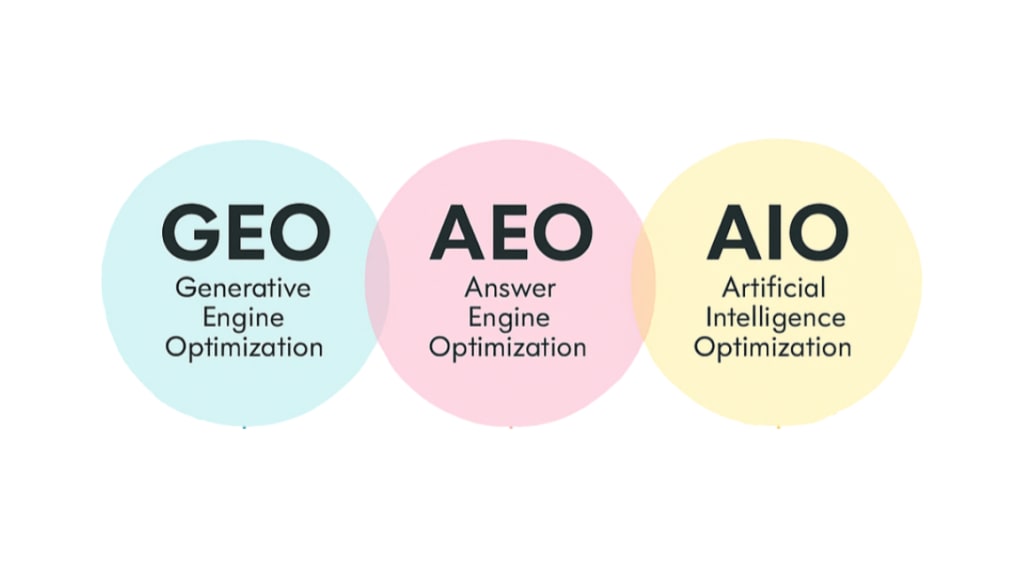
Online search is changing rapidly. In the past, users depended mainly on search engines and keyword-based results to find information. Today, artificial intelligence plays a major role in how content is discovered, summarized, and presented. Traditional search engine optimization (SEO) still matters, but it is no longer the only factor. New approaches like Generative Engine Optimization (GEO) and AI Optimization (AIO) are shaping how content appears across search engines, AI summaries, and voice-based platforms. This article explains SEO, GEO, and AIO in a clear and practical way, focusing on how they work, how they differ, and why they matter in modern search.
What Is SEO (Search Engine Optimization)?
SEO is the process of improving a website so it ranks higher in search engine results. The main goal is to attract relevant organic traffic without paid advertising.
SEO usually includes:
• Researching keywords based on user intent
• Optimizing titles, headings, and page content
• Improving technical factors like site speed and mobile usability
• Building trust through backlinks and authority signals
When applied correctly, SEO helps websites gain long-term visibility and credibility. However, search engines no longer only rank pages. They also generate direct answers, summaries, and featured results using AI.
Because of this shift, SEO alone cannot guarantee visibility.
Why Traditional SEO Is No Longer Enough
Search engines now focus on answering questions quickly. Many users get the information they need without clicking a website link. AI-powered features such as summaries, featured snippets, and knowledge panels reduce reliance on standard rankings. A page may rank well but still receive fewer visits if it is not selected as a trusted source for AI-generated answers. This change has created the need for additional optimization methods beyond traditional SEO.
What Is GEO (Generative Engine Optimization)?
GEO stands for Generative Engine Optimization. It focuses on making content suitable for AI-driven search systems that generate answers instead of simply listing links.
Generative engines evaluate content based on:
• Context and topic coverage
• Clarity and structure
• Accuracy and usefulness
• Source credibility
GEO helps content appear in:
• AI-generated summaries
• Voice search responses
• Zero-click answers
• Conversational AI tools
In simple terms, GEO improves the chances that AI systems will rely on your content as a reference.
How GEO Works in Practice
Generative systems prefer content that explains topics clearly and completely. They value natural language, logical structure, and direct answers to common questions. GEO does not involve tricking AI systems. Instead, it focuses on creating content that aligns with how AI understands and evaluates information. Well-organized sections, clear explanations, and factual accuracy make content more likely to be selected by generative search tools.
What Is AIO (AI Optimization)?
AIO, or AI Optimization, focuses on the technical and structural side of content. While GEO addresses content meaning, AIO ensures that AI systems can easily read and interpret that content.
AIO includes:
• Clear heading hierarchy
• Semantic HTML and structured data
• Fast-loading and accessible pages
• Consistent topic signals across content
AI systems rely on structure and signals to process information efficiently. AIO supports better understanding and indexing by AI-powered platforms.
SEO vs GEO vs AIO: How They Differ
Although related, each approach serves a different purpose:
• SEO improves rankings in traditional search results
• GEO increases visibility in AI-generated answers
• AIO improves technical compatibility with AI systems
Using only one approach leaves gaps in visibility. Combining all three creates a stronger foundation for modern search discovery.
Why SEO, GEO, and AIO Work Best Together
Search is no longer limited to one platform or format. Users rely on search engines, AI tools, and voice assistants to find information.
When SEO, GEO, and AIO work together, content can:
• Rank in standard search results
• Appear in AI summaries and responses
• Remain visible despite changes in user behavior
• Build long-term authority across platforms
This integrated approach supports sustainable visibility rather than short-term gains.
Who Should Understand SEO, GEO, and AIO?
These concepts are relevant for:
• Writers and bloggers publishing online
• Businesses creating educational content
• Publishers relying on organic traffic
• Creators adapting to AI-driven platforms
Understanding how search is evolving helps content creators stay relevant and informed.
Final Thoughts on the Future of Search
Search is no longer only about keywords and rankings. It is about providing clear, reliable answers that users and AI systems can trust. SEO builds visibility in traditional search. GEO improves presence in generative answers. AIO ensures technical clarity for AI systems. Together, these approaches define how content is discovered in the modern digital landscape. Learning how search technology evolves allows creators to adapt their content responsibly. Staying informed, focusing on quality, and maintaining ethical standards will remain essential as AI continues to shape how information is found and shared.
About the Creator
Solo Mio Review: A Valentine’s Day Getaway That’s Sweet, Scenic, and Slightly Forgettable
Today, we’re talking about Solo Mio, the latest romantic comedy-drama from Angel Studios. It tells the story of a man who gets left at the altar and then has to go on his already-booked Italian honeymoon… completely alone.
By Bella Anderson7 days ago in Journal



Comments
There are no comments for this story
Be the first to respond and start the conversation.