

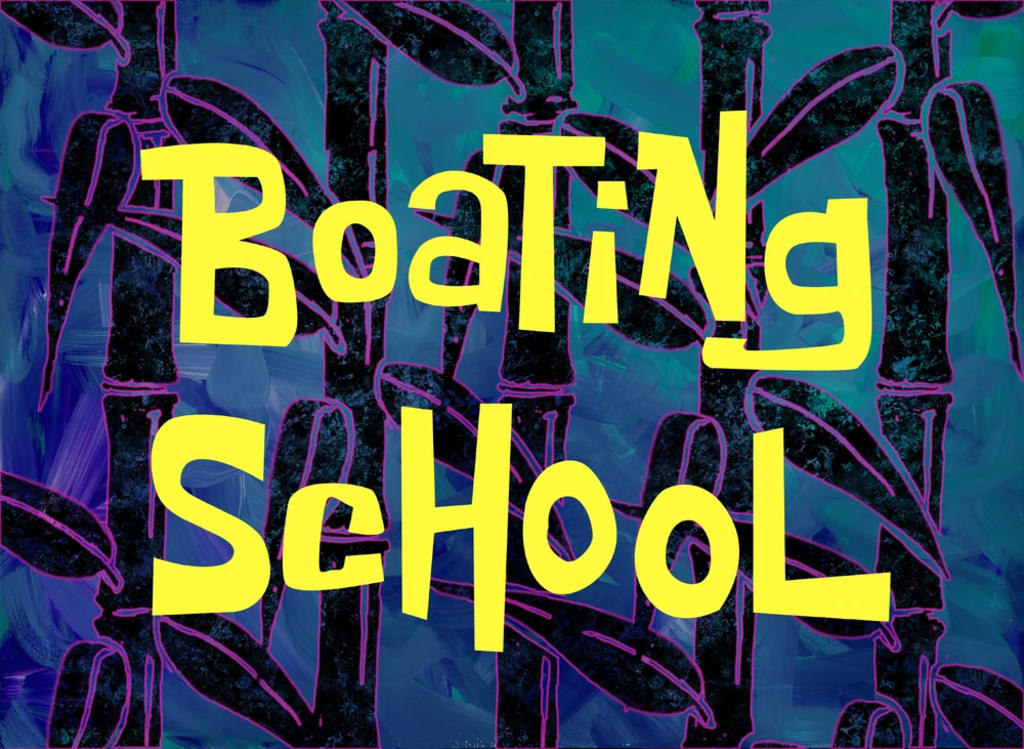
I remember the evening I settled onto the couch with a bowl of nachos, the glow of the TV humming like a lighthouse in the dark, and the familiar opening chords of “SpongeBob SquarePants” beckoning me into the underwater world of Bikini Bottom. From the moment the title card for “Boating School” flickered onto the screen, a wave of nostalgia rolled over me, as if the episode were a secret map guiding me back to a childhood where the absurdities of a sea sponge’s life felt both wildly fantastical and oddly comforting. The narrative voice of my own anticipation blended with the animated chaos that was about to unfold, and I could almost taste the salty sea‑air that seemed to seep through the pixels, promising a lesson in both comedy and perseverance.
As the story unfurled, I found myself swept along with SpongeBob’s relentless optimism as he trudged back into Mrs. Puff’s dreaded classroom, his square pants practically vibrating with the hope of finally passing his driving test. The episode’s pacing, a rhythmic dance between slapstick mishaps and earnest attempts, kept my heart pounding in sync with the absurdity of SpongeBob’s over‑enthusiastic pedal pushes, the screeching brakes, and the inevitable calamity that followed each turn of the wheel. Mrs. Puff, with her weary sighs and exasperated glances, became my own surrogate—balancing the line between patience and exasperation—while the recurring gag of the school bus crashing into the sea of bubbles felt like a punchline that kept growing louder with each repetition. I could feel my own breath hitch with each near‑miss, the narrative pulling me deeper into the chaotic ballet of a sponge determined to master a skill that the ocean itself seemed to mock.
The humor, however, was not merely a series of random jokes; it was a carefully crafted tapestry that wove together visual gags, timing, and character-driven satire. When SpongeBob’s beloved pineapple house was inadvertently transformed into a makeshift parking garage, I laughed not just at the sight of a pineapple stacked with cars, but at the underlying commentary on how ambition can sometimes turn everyday spaces into absurd contraptions. The episode’s animation, with its bright, exaggerated colors and fluid motion, amplified each crash and tumble, making the chaos feel both tangible and delightfully impossible. I found myself marveling at the subtle way the writers used the mundane setting of a driving school to explore larger themes, resilience in the face of repeated failure, the fragile balance between authority and compassion, and the relentless optimism that defines SpongeBob’s very being. As the narrative progressed, I sensed an emotional undercurrent, a quiet nod to anyone who has ever sat in a classroom, felt the sting of a failed test, yet kept returning with the same bright-eyed determination. Even with the help of his friend, Patrick, his plan to pass would go backwards and admits to his teacher what he's up to. This would also be the first episode to have the iconic ‘My Leg” running gag.
When the final credits rolled, I lingered a moment longer, savoring the lingering echo of Mrs. Puff’s sigh and SpongeBob’s indomitable grin, realizing that “Boating School” was more than a simple cartoon episode; it was a story that mirrored my own journey of learning, stumbling, and rising again. The episode left an imprint on my memory because it managed to blend childlike hilarity with a mature, almost philosophical, reflection on perseverance—presented in a narrative voice that felt like a friend recounting an adventure rather than a detached critique. In the quiet after the laughter, I felt a renewed appreciation for the way SpongeBob’s world can teach us, through exaggerated sea‑foam mishaps, that every failure is merely a stepping stone toward the next wobbly, yet hopeful, attempt at mastering the road ahead.
About the Creator
Forest Green
Hi. I am a writer with some years of experiences, although I am still working out the progress in my work. I make different types of stories that I hope many will enjoy. I also appreciate tips, and would like my stories should be noticed.
Keep reading
More stories from Forest Green and writers in Journal and other communities.
SpongeBob Review
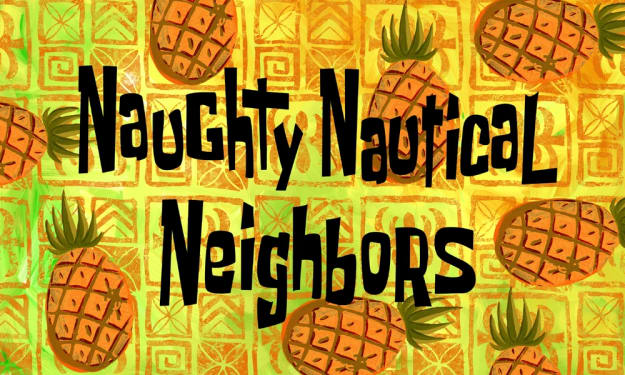
The SpongeBob episode "Naughty Nautical Neighbors" is a masterclass in comedic storytelling, showcasing the exceptional writing and animation that has come to define the beloved Nickelodeon series. This particular episode, which originally aired in 1999 as part of the show's first season, revolves around the escalating feud between SpongeBob and Patrick, caused by their neighbor, Squidward, as they engage in a series of absurd and hilarious pranks. As the episode progresses, the antics of the two characters become increasingly ridiculous, with SpongeBob's relentless cheeriness and Squidward's grumpy demeanor providing a rich source of comedic fodder. Interestingly, this episode is often cited as one of the fan favorites, with a 9.1 rating on IMDB and over 3.5 million views on YouTube, demonstrating the enduring popularity of the show. Furthermore, "Naughty Nautical Neighbors" has been praised for its clever use of slapstick humor, witty dialogue, and memorable character moments, all of which have contributed to its status as a standout episode in the SpongeBob canon. With its lighthearted and playful tone, this episode is sure to delight both old and new fans of the show, and its influence can still be seen in many modern animated series. According to Nielsen Media Research, the episode was watched by approximately 2.2 million viewers during its initial broadcast, a respectable number considering the show was still in its early stages at the time. Overall, "Naughty Nautical Neighbors" is a must-watch episode for anyone looking to experience the best of SpongeBob's brand of zany humor and lovable characters.
By Forest Greenabout 17 hours ago in Journal
Aerospace and Aviation at a Crossroads: How Technology, Defense, and Supply Chains Are Redefining Flight
The aerospace and aviation industry is entering one of the most transformative periods in its history. What once moved in decades is now shifting in years, sometimes months. From next generation aircraft programs to defense driven innovation and fragile global supply chains, aviation is no longer just about flying higher or faster it’s about adapting smarter.
By Beckett Dowhan5 days ago in Journal
Analyse this!
Wanna know how to improve your writing? There is a simple, quick, tried and tested method. Tried and tested by who? By me, as it happens, and I can guarantee that it will work for you. I know what I am talking about. Not always, of course, but certainly in this case.
By Raymond G. Taylor6 days ago in Writers


Comments
There are no comments for this story
Be the first to respond and start the conversation.