
Stocks Slide as Traders Assess Walmart Earnings, Potential Iran Conflict: Live Updates
It was a volatile day on Wall Street as investors found themselves weighing two powerful forces: corporate earnings from retail giant Walmart and rising geopolitical tensions involving Iran.
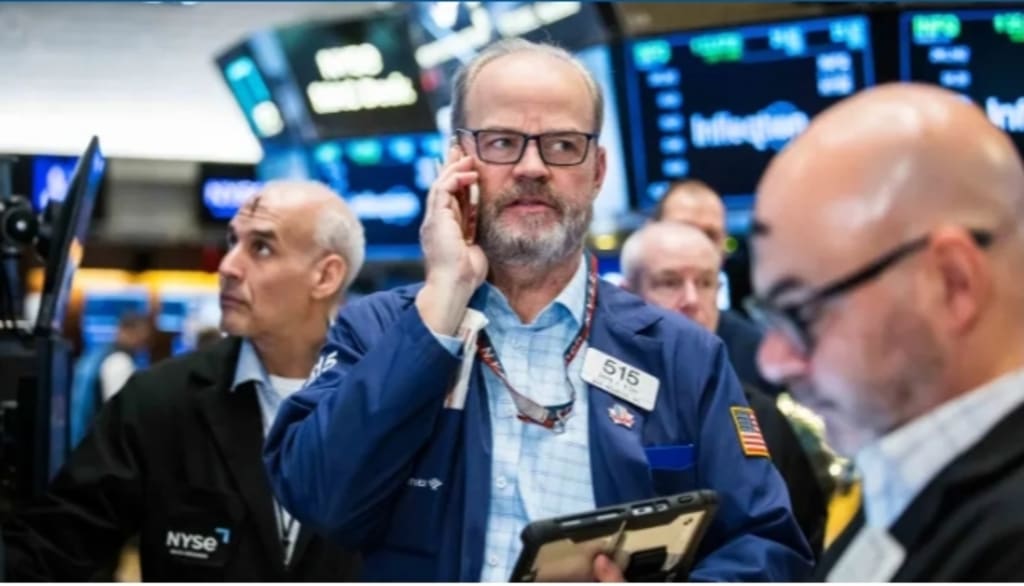
The result? A broad market pullback, renewed inflation concerns, and a noticeable shift toward defensive positioning.
Let’s break down what happened — and what it could mean moving forward.
📉 Markets Retreat as Risk Sentiment Shifts
Stocks opened lower and struggled to gain traction throughout the session. The major indexes all slipped:
The S&P 500 fell modestly.
The Dow Jones Industrial Average lost several hundred points.
The Nasdaq Composite underperformed as technology shares declined.
While none of the moves were dramatic on their own, the broader tone felt cautious. Traders appeared reluctant to add risk ahead of potentially escalating global tensions and mixed corporate signals.
Markets had been riding a wave of optimism earlier this year, driven by hopes of easing inflation and eventual rate cuts. But Thursday’s session reminded investors how quickly sentiment can shift.
🛒 Walmart Earnings: Strong Results, Softer Outlook
All eyes were on Walmart, the nation’s largest retailer and often seen as a bellwether for U.S. consumer health.
The Good News:
Quarterly earnings beat Wall Street expectations.
Revenue grew steadily.
E-commerce sales showed continued strength.
Grocery performance remained resilient.
At first glance, the numbers suggested that consumer spending remains intact — even in a higher-rate environment.
The Cautionary Note:
The concern wasn’t the past quarter — it was the guidance.
Walmart issued a conservative outlook for the coming fiscal year, signaling that growth may slow. That cautious forecast raised questions:
Are consumers pulling back?
Is inflation still squeezing margins?
Could discretionary spending soften in the months ahead?
Even when companies beat earnings, forward guidance often carries more weight. In this case, investors interpreted Walmart’s tone as prudent — but not particularly bullish.
And when a retail giant sounds cautious, markets listen.
🌍 Iran Tensions Push Oil Higher
As earnings news circulated, geopolitical concerns added another layer of uncertainty.
Rising tensions between the United States and Iran sparked fears of potential military escalation. While no major conflict has materialized, even the possibility of instability in the Middle East can rattle markets.
Why?
Because of oil.
Iran sits near the Strait of Hormuz — a crucial passageway for a significant portion of global oil supply. Any disruption there could send energy prices soaring.
And that’s exactly what traders began pricing in.
Oil prices climbed noticeably during the session. When oil rises sharply:
Transportation costs increase
Corporate profit margins get squeezed
Inflation pressures intensify
For markets already sensitive to inflation data and Federal Reserve policy, higher oil prices complicate the outlook.
🔄 Sector Rotation: Defensive Moves Begin
When uncertainty rises, investors tend to reposition.
Here’s what we saw:
🟢 Energy Stocks Gained
Oil producers and energy companies benefited from rising crude prices.
🟡 Gold Edged Higher
Gold — a traditional safe haven — attracted modest inflows.
🔵 Tech Stocks Slipped
High-growth tech names, which often thrive in stable, low-rate environments, faced selling pressure.
This shift reflects a classic “risk-off” trade. When geopolitical tension rises, investors prioritize capital preservation over aggressive growth plays.
🏦 The Federal Reserve Factor
Overlaying all of this is Federal Reserve policy.
Markets have been hoping for rate cuts later this year. But higher oil prices and resilient consumer data could complicate that timeline.
If inflation remains sticky — especially if energy costs climb — the Fed may:
Delay rate cuts
Maintain restrictive policy longer
Reinforce a “higher for longer” narrative
That prospect alone can dampen stock valuations, particularly in growth sectors.
In other words, geopolitical risk doesn’t just affect oil — it can ripple directly into monetary policy expectations.
🌎 Global Markets Feel the Pressure
The caution wasn’t limited to U.S. stocks.
European markets declined as well, while Asian markets showed mixed performance. Currency markets reacted predictably:
The U.S. dollar strengthened.
Emerging market currencies softened.
Commodity-linked assets gained modest support.
This kind of synchronized movement underscores how interconnected global markets have become. Political tensions in one region can quickly translate into price adjustments worldwide.
📊 What Traders Are Watching Next
Several catalysts could shape market direction in the coming days:
1️⃣ Inflation Data
Upcoming CPI and PCE reports will be crucial. If energy costs feed into broader inflation, volatility could increase.
2️⃣ Federal Reserve Commentary
Any hint about rate timing will heavily influence equities.
3️⃣ Geopolitical Developments
Diplomatic efforts to ease tensions with Iran could calm markets quickly. Conversely, any escalation would likely fuel another defensive shift.
4️⃣ Ongoing Earnings Season
Investors will continue focusing on forward guidance rather than backward-looking beats.
🧠 The Bigger Picture
Today’s decline wasn’t a panic — it was a repricing of risk.
Markets are balancing three major forces:
A still-resilient consumer
Corporate caution about future growth
Rising geopolitical uncertainty
That combination doesn’t necessarily signal a downturn — but it does suggest volatility may remain elevated.
For long-term investors, periods like this often present opportunities. For short-term traders, risk management becomes critical.
Either way, the message from Wall Street is clear: confidence remains intact, but caution is rising.
🔎 Final Thoughts
The interplay between earnings and geopolitics can create swift market swings — and Thursday delivered exactly that.
Walmart’s results showed that consumers aren’t collapsing. But its cautious outlook, paired with oil-driven inflation fears and rising Iran tensions, was enough to cool market enthusiasm.
As always, the next headlines — whether corporate, economic, or geopolitical — will determine where stocks head from here.
About the Creator
The Forgotten Journal
Leena found the journal tucked away in the attic of her grandmother’s old house. Its leather cover was worn, corners frayed, and pages yellowed with age. She had been helping clean and organize, expecting to find old photographs or trinkets, but this small book caught her attention immediately. Something about it felt alive, as though it carried a story waiting to be remembered.
By Sudais Zakwan7 days ago in Journal




Comments
There are no comments for this story
Be the first to respond and start the conversation.