
The Ceramic Tiles Market Is Reshaping Modern Spaces
From residential interiors to large-scale infrastructure, ceramic tiles are redefining durability, design, and construction standards worldwide.
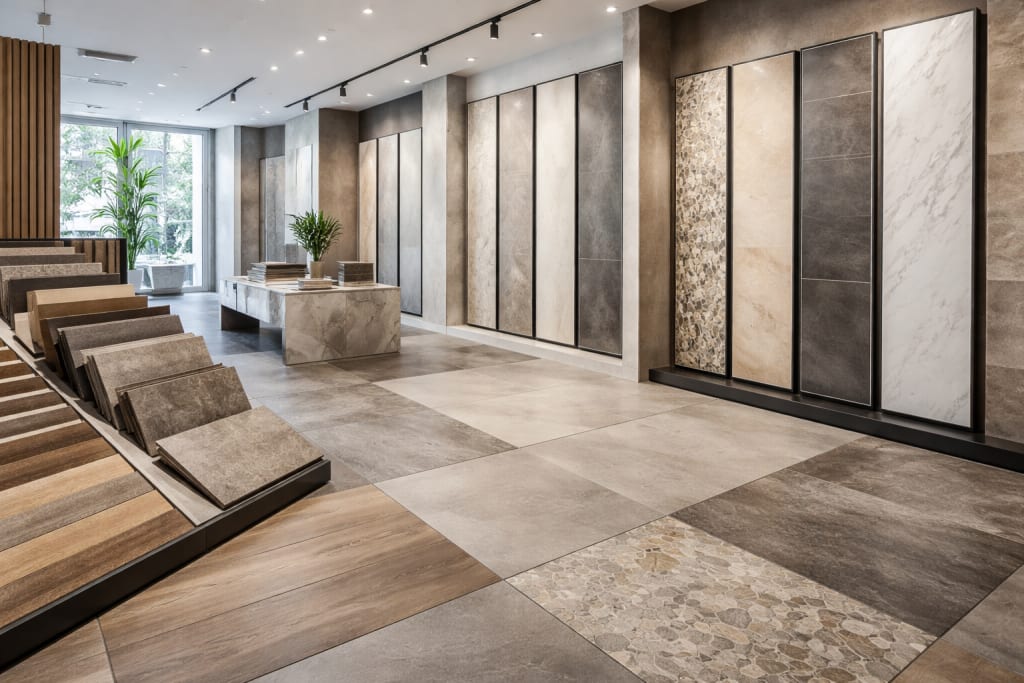
Ceramic tiles have long been part of human spaces, valued for their strength, simplicity, and ability to transform raw clay into lasting surfaces. From ancient courtyards to modern kitchens, they quietly support daily life while adapting to changing tastes and technologies. Today, that quiet presence reflects a massive global industry: the ceramic tiles market size in 2026 is estimated at USD 228.8 billion, rising from USD 212.17 billion in 2025 and projected to reach USD 333.67 billion by 2031, expanding at a compound annual growth rate of 7.84%, according to Mordor Intelligence.
This growth is not accidental. It mirrors how cities are expanding, how homes are being redesigned, and how builders increasingly favor materials that balance longevity, hygiene, and visual appeal. What once felt purely functional has become a central design and construction choice across continents.
Ceramic Tiles as a Core Building Material
Ceramic tiles occupy a unique position among building materials. Made from natural raw materials and hardened through high-temperature firing, they offer resistance to moisture, wear, and temperature fluctuations. These characteristics make them suitable for bathrooms and kitchens, but also for airports, hospitals, shopping centers, and outdoor architectural applications.
Unlike many surface materials that prioritize either durability or design, ceramic tiles increasingly offer both. Advances in glazing, digital printing, and surface texturing allow tiles to replicate stone, wood, and concrete aesthetics while maintaining consistent performance. This balance has elevated tiles from a background element to a defining feature of modern interiors and public spaces.
Growth Driven by Construction and Urbanization
The steady expansion of the industry is closely tied to construction activity worldwide. Residential housing continues to generate strong demand as urban populations grow and homeowners invest in renovations that emphasize durability and resale value. At the same time, commercial construction, including offices, retail spaces, healthcare facilities, and transportation hubs, relies on surfaces that can withstand heavy foot traffic and frequent cleaning.
According to Mordor Intelligence, ceramic tiles market growth is being supported by sustained infrastructure development, particularly in rapidly urbanizing regions. Governments and private developers alike favor materials with long service life and lower maintenance requirements, reinforcing the position of tiles in both public and private projects.
Product Segments and Application Patterns
Within the broader category, porcelain tiles stand out due to their density and low water absorption. These qualities make them especially suitable for high-traffic floors and environments exposed to moisture. Traditional ceramic tiles remain widely used, particularly for wall applications where decorative finishes and ease of installation are priorities.
Flooring continues to account for a significant portion of demand, reflecting the need for hard-wearing surfaces in residential and commercial buildings. Wall tiles, however, are gaining prominence as interior design places greater emphasis on textured and visually expressive surfaces. Together, these applications demonstrate how tiles serve both practical and aesthetic roles.
Regional Influence and Market Distribution
Geographically, Asia-Pacific represents a major center of consumption and production, driven by large populations, expanding cities, and ongoing infrastructure investment. The scale of construction activity in this region plays a critical role in shaping global ceramic tiles market share, while other regions contribute through renovation-driven demand and premium architectural projects.
Distribution channels are also evolving. While traditional retailers and specialty stores remain important, digital platforms are gaining traction. Online visualization tools and virtual showrooms allow buyers to explore designs remotely, supporting purchasing decisions without compromising customization.
Innovation, Sustainability, and Design Evolution
Manufacturers are increasingly focused on innovation to remain competitive. Digital printing technology enables highly detailed patterns and consistent finishes, while larger tile formats reduce grout lines and create seamless visual effects. These developments align with contemporary design preferences for clean, expansive surfaces.
Sustainability is another growing focus. Producers are exploring energy-efficient kilns, recycled materials, and waste reduction strategies in response to environmental regulations and consumer expectations. This shift does not replace performance requirements but complements them, ensuring tiles remain relevant in future construction standards.
Together, these factors form the foundation of ongoing ceramic tiles market analysis conducted by industry observers tracking long-term material trends.
The Road Ahead for Ceramic Tiles
Looking forward, ceramic tiles are positioned to remain a foundational element of the built environment. Their adaptability across climates, building types, and design styles ensures consistent demand even as architectural preferences evolve. As urban spaces become denser and construction standards more stringent, materials that offer reliability without sacrificing aesthetics will continue to gain ground.
From modest residential upgrades to ambitious infrastructure projects, ceramic tiles reflect a convergence of tradition, technology, and modern necessity, shaping spaces quietly, but at an enormous scale.
Where do you see ceramic tiles making the biggest impact in future homes and cities, in design innovation, sustainability, or everyday functionality?
About the Creator
Maintenance Cycles Shape Aerospace Manufacturing
I used to think aerospace manufacturing standards were driven mainly by design innovation. Engineers sketch, test, certify and the blueprint becomes the law of flight. But over time I realized something deeper maintenance cycles quietly shape how aircraft are manufactured long before they ever leave the factory.
By Beckett Dowhan6 days ago in Journal


Comments
There are no comments for this story
Be the first to respond and start the conversation.