
The Myth About Recycling Greasy Pizza Boxes People Need To Stop Believing
Why your pizza box might belong in the recycling bin after all
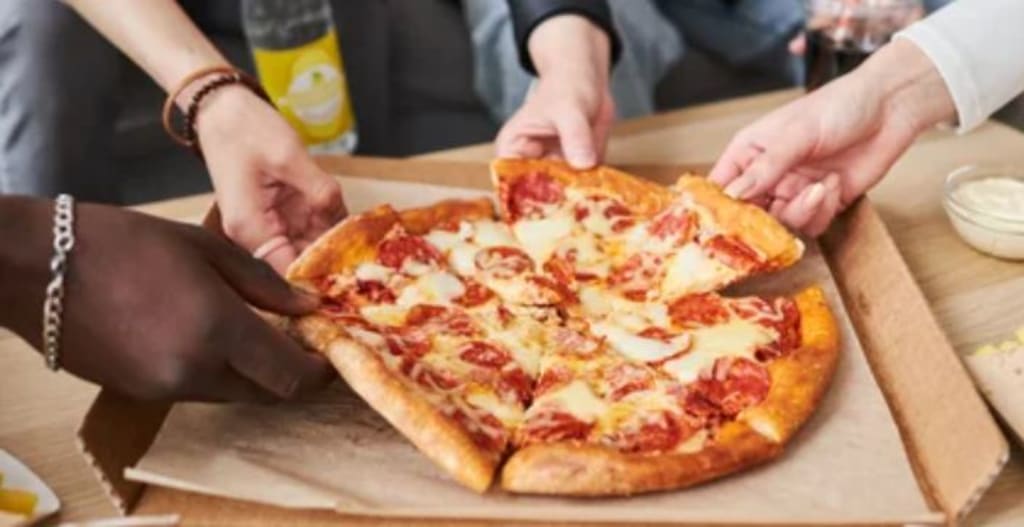
Pizza night is one of life’s simplest joys. But once the last slice is gone, many people face a familiar question: what do you do with the greasy pizza box? For years, the common advice has been clear — greasy cardboard cannot be recycled. That belief has shaped household habits, leading millions to toss pizza boxes straight into the trash without a second thought.
The problem is that this widely accepted rule is not entirely true anymore. Modern recycling systems, updated research, and industry guidance suggest that the greasy pizza box myth needs a serious rethink.
How the Pizza Box Myth Started
The idea that pizza boxes are unrecyclable comes from earlier recycling practices. Paper recycling works by breaking cardboard down into pulp, and contamination from food was once a major concern. Oil and cheese were believed to weaken paper fibers or ruin entire recycling batches.
Because older facilities struggled with contamination, municipalities warned residents to avoid putting greasy cardboard into recycling bins. Over time, this advice became a universal rule rather than a situational one.
People stopped questioning it. Grease meant garbage — end of story.
What’s Changed in Recycling
Recycling technology has improved significantly. Modern paper mills are better equipped to handle small amounts of grease, and studies show that typical pizza box contamination is minimal. In most cases, the grease content is too low to disrupt the recycling process.
This means that many pizza boxes once considered waste are actually recyclable today. Instead of automatically throwing them away, households can often recycle them with a few simple steps.
The key difference is understanding that “greasy” does not always mean “unrecyclable.”
Why Confusion Still Exists
Despite updated information, public habits are slow to change. Recycling rules differ by city, and not every municipality has revised its guidance. Some areas still follow older policies, which adds to the uncertainty.
There is also the issue of outdated information online. Advice spreads quickly, but corrections spread slowly. Many people continue following what they learned years ago without realizing that systems have evolved.
This gap between knowledge and behavior keeps the myth alive.
The Real Rule: Check the Condition
The truth is more practical than absolute. Light grease is usually acceptable, but heavily soaked cardboard may still belong in the trash or compost.
A good rule of thumb is simple:
If the box is mostly clean, recycle it.
If only one section is greasy, tear that part off and recycle the rest.
If the box is saturated with oil or covered in food, dispose of it differently.
Removing leftover crusts, sauce containers, and liners also helps prevent contamination.
Recycling is less about perfection and more about making reasonable choices.
Why This Small Change Matters
Pizza boxes are used on a massive scale — billions every year. When people assume they cannot be recycled, huge amounts of recyclable cardboard end up in landfills unnecessarily.
Cardboard is one of the most valuable recyclable materials because it can be processed multiple times and reduces the need for new raw resources. Saving even a portion of pizza boxes from the trash can have meaningful environmental benefits.
Sometimes sustainability isn’t about dramatic lifestyle changes. It’s about correcting small everyday habits.
Practical Tips for Pizza Night Recycling
If you want to handle pizza boxes the right way, keep these tips in mind:
Empty the box completely before recycling
Remove liners, plastic pieces, and dipping cups
Tear off sections soaked with grease
Flatten the box to save space in the bin
Check local recycling guidelines for specific rules
These simple steps take seconds but make a big difference.
A Bigger Lesson About Recycling Myths
The pizza box debate highlights a broader issue: recycling guidance evolves over time. Materials change, technology improves, and best practices shift. Yet many household habits remain frozen in the past.
Myths persist because they are easy to remember. Nuance is harder. But understanding nuance is exactly what modern sustainability requires.
Not everything is strictly recyclable or unrecyclable — many items fall somewhere in between.
Final Thoughts: Don’t Toss It Automatically
The belief that greasy pizza boxes must always go in the trash is outdated. While extremely soiled boxes may still be unsuitable, most pizza boxes with normal grease levels can be recycled with minimal effort.
Next time pizza night ends, pause before throwing the box away. A quick check — and maybe tearing off one greasy corner — could keep recyclable material out of landfills.
Sometimes fighting waste starts with questioning simple assumptions. And in this case, the myth hiding under your pizza lid might be one worth leaving behind.
Best Category: Lifestyle / Sustainability / Environment
Blog Tags: Recycling tips, eco-friendly living, food waste, sustainability habits, home lifestyle
About the Creator
~ Fired ~
— Ai Intrusion ~ Are you Next ~ Is Ai Evolution after your job? — Few workplaces haven't been affected. Ai is in supermarkets, at doctors' offices, and even monitoring farms. I just can't think of anything this machine is not getting into, can you? For instance: Education ~ Law and Tech jobs will one day have a major influence or be taken over by these inanimate machines, with accuracy and vigor. From mechanics' diagnoses to a wide variety of everyday jobs, including fast food workers, with this input having the ability to cut their unnecessary work hours. I'm certain all of us have been touched by this with our short stories and colorful headings, have you? Even comments are very questionable 'Non-Robot' insertions.
By Jay Kantor23 days ago in Journal
Time and Money
A lot of people complain that they don’t have a lot of time to take on extra tasks. However, what if the tasks that you were taking on actually saved you both time and money? Think about this. If you educate yourself on how to be more self-sufficient then you don’t have to hire someone to perform a service for you. You might not even have to shop at a store for a product that you need for your household. So, being more self-sufficient can save you money.
By Nicole Higginbotham-Hogue2 days ago in Journal



Comments
There are no comments for this story
Be the first to respond and start the conversation.