
The Night CBS Shoved Stephen Colbert into a Locker.
Inside the $16 million “shush tax” and the merger that effectively killed the news.

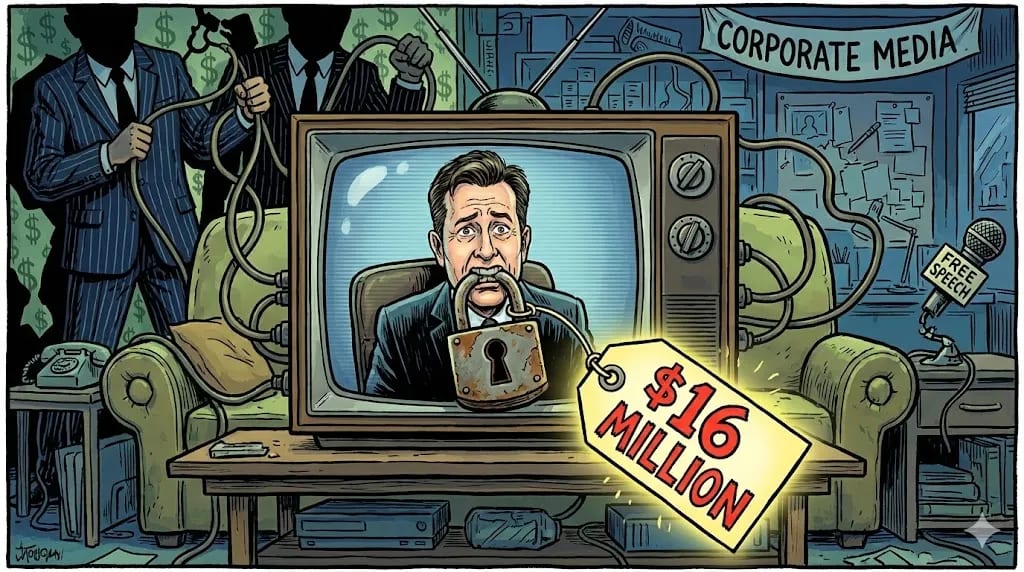
I used to have this Hallmark-movie idea of what an American newsroom looked like. You know the vibe: wood-paneled offices, the smell of burnt coffee, and a fleet of gritty editors who’d happily go to jail before they let a bureaucrat touch their First Amendment rights. I figured “Corporate Media” was a giant — biased, sure, but big enough to tell the world to shove it.
I wasn’t just wrong; I was living in a fantasy land.
Reality didn’t just tap me on the shoulder; it basically threw a brick through my window. Last night, I watched Stephen Colbert — the guy who practically carries CBS on his back — get shoved into a locker by his own network’s legal team. He wanted to interview James Talarico, a candidate for the Texas Senate. CBS’s answer? A hard “No.”
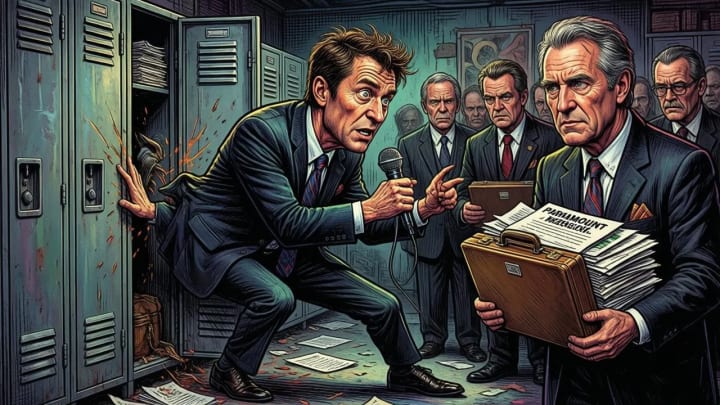
This wasn’t because Talarico is boring or because the ratings would tank. It’s because the people who sign Colbert’s checks are currently in the middle of a high-stakes corporate marriage (the Skydance merger), and they’re terrified that talking to the wrong person might piss off the D.C. chaperones.
“But He’s Just a Guy with a Monologue, Right?”
I can already hear the “who cares” crowd. “Relax, it’s just late-night TV. Colbert’s a millionaire in a suit. Does it really matter if he misses one interview with a guy from Texas?”
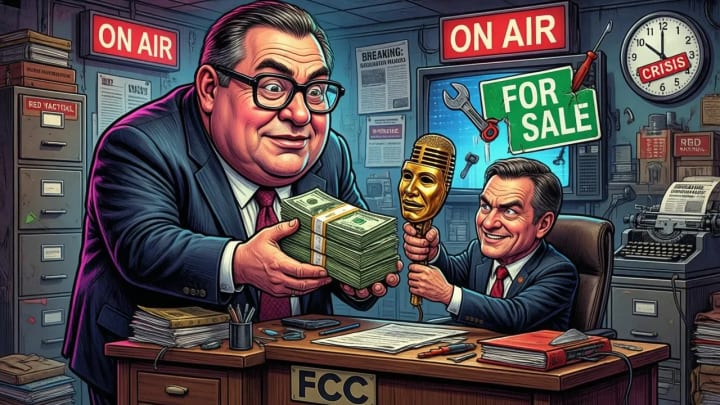
If you think this is just about a comedy sketch, you’re looking at the finger instead of the moon. This isn’t about jokes; it’s about the price of permission. When a massive empire like Paramount-Skydance muzzles its own top talent to play nice with the FCC, they aren’t “protecting the brand.” They’re paying a “shush tax.” And unfortunately, you’re the one paying the bill in the only currency that matters: the actual truth.
The Business of Staying Quiet
Let’s be real about how this works. People don’t act out of the goodness of their hearts; they act to get what they want.
For a CBS executive, “what they want” isn’t a trophy for brave journalism. It’s for this merger to go through without a hitch. In a world where the government holds all the licenses, success depends entirely on whether a few bureaucrats in D.C. are having a good day.
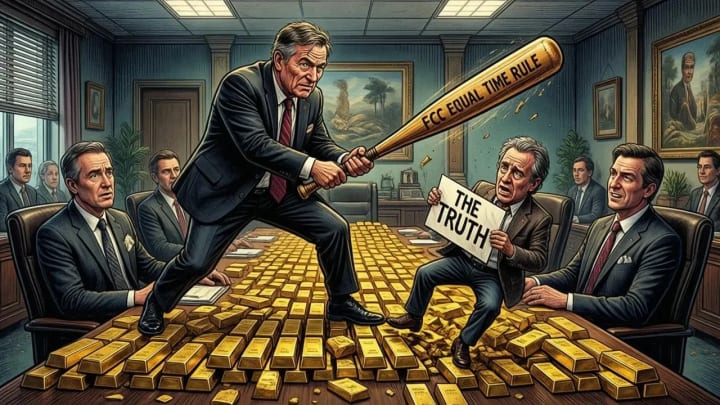
“When the State controls your right to exist, a ‘Free Press’ is really just a ‘Press with a Temporary Permit.’”
Here’s the logic in plain English:
- The media is a business. It needs licenses and — more importantly — the government’s blessing to get bigger.
- Regulation is a club. The FCC’s “Equal Time” rule is currently being swung around like a baseball bat.
- Big companies don’t like getting hit. If airing an interview risks an $8 billion deal, the interview gets buried in the backyard.
It’s a cold, calculated business move. The “truth” is worth exactly zero dollars when compared to an $8 billion payday.
The Leash, Not the Dog
The problem isn’t “the media.” The media is just the dog. The real problem is the leash. Right now, that leash is being yanked by an FCC that has suddenly decided talk shows aren’t “news” anymore.
By taking away their “bona fide news” status, the government created a perfect trap. If you host one candidate, you’re legally forced to host every random person with a campaign sticker, or face fines that would make your eyes water.
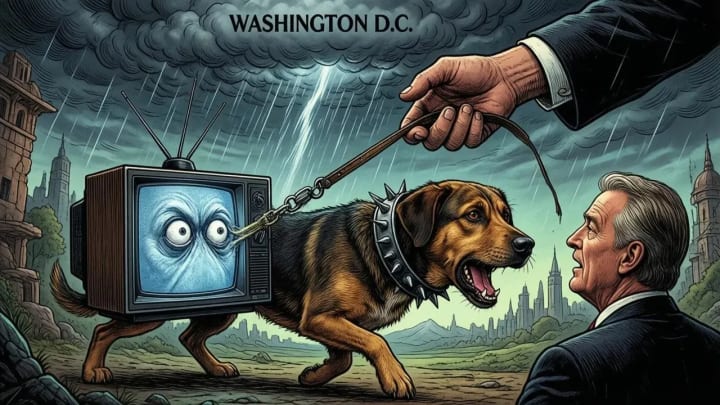
The goal here is simple: Fear. The government doesn’t have to officially ban Colbert; they just have to make it too expensive to let him talk. They already squeezed $16 million out of Paramount over a 60 Minutes edit. They’ve sent a very clear message: Play nice, or we’ll kill your merger.
The “Equal Time” rule isn’t about being fair. It’s about being a nuisance. It’s about making dissent so pricey that the accountants — not the writers — end up deciding what you get to watch.
A Small Guy in a Massive Game
Look at James Talarico. In the world of billion-dollar media conglomerates, a Texas state rep is basically a rounding error.
So why did CBS panic? Because Talarico already caused a headache for ABC over at The View. CBS saw the smoke and decided to douse their own house in water just in case.
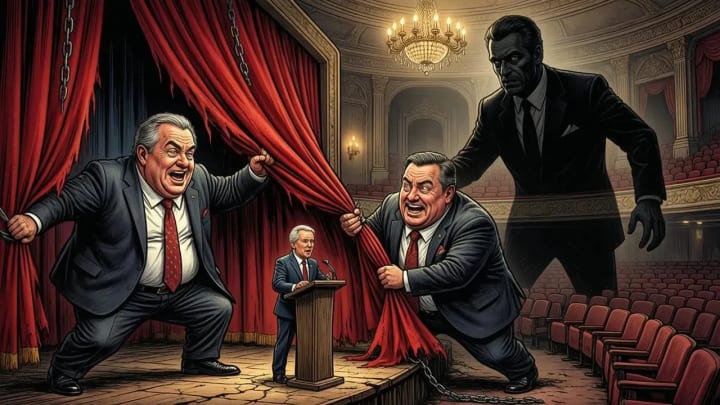
It’s the Streisand Effect, but with a corporate budget. By trying to hide the interview, they proved Talarico’s point: the government is using the FCC as its own personal “cancel culture” remote control. When a guest is “too hot for TV,” it’s rarely because their ideas are dangerous — it’s because their presence threatens the boss’s bank account.
The Stuff You Never See
The real tragedy isn’t the one interview that eventually leaked onto YouTube. It’s the stuff that never even gets made.
- It’s the story a producer kills before it ever leaves their brain.
- It’s the guest who gets “rescheduled” forever because their name makes the legal department nervous.
- It’s the slow, boring slide of every major channel into a beige middle-ground that doesn’t offend anyone in power.
When the state can bless or curse a billion-dollar deal, every show becomes a negotiation. We’re watching the news get nationalized — not by soldiers in the streets, but by lawyers in a conference room signing a merger agreement.
Follow the Deal, Not the Talking Heads
Next time a network makes a big show of “standing on principle” — or, more likely, tucks its tail and runs — stop looking at the screen. Go check the business headlines.
- Don’t ask: “Why are they so biased?”
- Ask: “What merger are they trying to close?”
The “Fourth Estate” has basically become a government subcontractor. The right response isn’t to get mad at Colbert — at least he mentioned the “big fat bribe” on his way out.
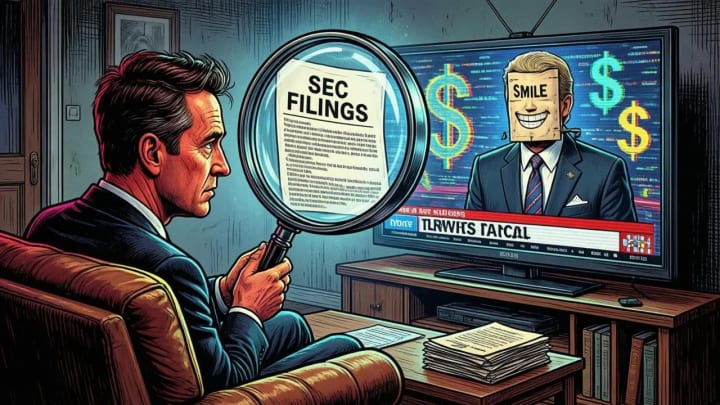
The move is to stop treating your TV like a window. It’s a sales brochure for the people who own the building. Next time a “controversial” guest gets bumped, don’t ask what they were going to say. Ask who was holding the leash when they got pulled off stage.
About the Creator
Cher Che
New media writer with 10 years in advertising, exploring how we see and make sense of the world. What we look at matters, but how we look matters more.



Comments
There are no comments for this story
Be the first to respond and start the conversation.