
The Practical Logic of Wood
How structure, moisture, and grain influence material decisions
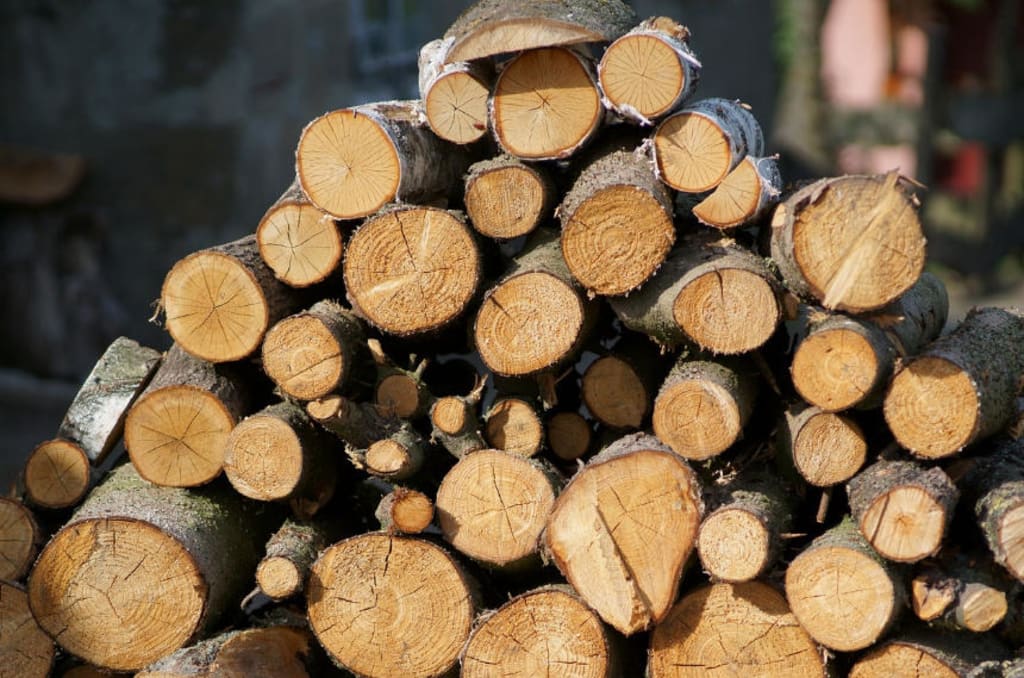
There is something quietly reassuring about wood. Long before it became a commodity measured in cubic meters or grades, it was a material people lived with—touched, repaired, passed down. We notice it in the worn edge of a table, the soft creak of a floor at night, the way a window frame warms under the afternoon sun. Choosing wood, then, is never just a technical decision. It is an intimate one, shaped by how we live, how we work, and what we expect a material to give back to us over time.
In a world of engineered surfaces and synthetic finishes, wood remains stubbornly honest. It shows its age. It reacts to its surroundings. It carries traces of where it came from. Understanding how to choose it well begins not with catalogs or specifications, but with attention—attention to use, context, and the quiet qualities that make one piece of wood feel right and another feel wrong.
Living with Wood, Not Just Using It
People often divide wood into categories—hardwood and softwood, domestic and exotic, premium and budget. These distinctions are useful, but they can also distract from a more important question: how will this wood be lived with?
A dining table is not just a surface; it is a place where hands rest, cups leave rings, and conversations linger long after the meal ends. A wooden floor is not just a finish; it absorbs footsteps, echoes mornings, and records years of movement. When choosing wood, it helps to imagine these moments. Will the material tolerate wear gracefully? Will marks and scratches add character, or will they feel like damage?
Hardwoods such as oak, walnut, and maple are often chosen because they age with dignity. They resist impact, and when they do show wear, it tends to feel earned rather than accidental. Softwoods like pine or fir, by contrast, mark more easily, but they also carry a certain openness—lighter in tone, lighter in mood. In the right context, that softness is not a weakness but a form of generosity.
Grain as a Kind of Language
Wood speaks through its grain. Some species speak quietly, with fine, even lines that recede into the background. Others speak loudly, with bold patterns that demand attention. Neither is inherently better; the difference lies in intention.
A straight-grained wood often feels calm and controlled. It suits spaces where the eye needs rest—workrooms, minimalist interiors, places designed for focus. More expressive grains, such as those found in oak or ash, bring movement into a room. They remind us that this material once grew, slowly, season by season.
Color plays a similar role. Pale woods reflect light and expand space; darker woods draw the eye inward, creating a sense of enclosure and weight. It is worth remembering that wood does not stay the color it is on the day you buy it. Cherry deepens, walnut softens, oak mellows. Choosing wood means accepting change, even welcoming it.
Moisture, Movement, and Patience
One of the less romantic truths about wood is that it moves. It expands, contracts, and responds constantly to its environment. Many disappointments—warped doors, cracked panels, uneven floors—come not from poor craftsmanship but from mismatched expectations.
Wood intended for interior use needs time to acclimate. Rushing this process is one of the most common mistakes. Kiln-dried lumber offers stability, but even then, allowing wood to adjust to the humidity and temperature of its final space is an act of patience that pays off.
Outdoor wood demands even greater respect. Exposure to rain, sun, and air will change it visibly and structurally. Species such as teak or cedar endure these conditions not because they are indestructible, but because they accept exposure on their own terms. Left untreated, they weather; treated carefully, they endure. The choice lies with the user.
Quality Is Contextual
When buying wood, people often ask for the “best” grade. Yet quality only makes sense in relation to purpose. A flawless board with no knots may be ideal for a cabinet door, but unnecessary for a structural frame that will never be seen. Conversely, a board with dramatic knots and variation may be unsuitable for precision joinery but perfect for a tabletop meant to feel alive.
Understanding this helps shift the focus from perfection to appropriateness. Wood is not improved by being stripped of all irregularity. Often, its value lies precisely in what cannot be standardized.
Responsibility Beyond the Object
Choosing wood today also means choosing a relationship with the landscape it came from. Forests are not abstract resources; they are living systems. Responsible forestry acknowledges this, balancing use with renewal.
Certification systems offer one form of assurance, but responsibility also shows up in smaller decisions: using what is available locally, choosing species suited to their role, avoiding waste through thoughtful design. Reclaimed wood, in particular, carries a double meaning—it reduces demand for new logging and brings with it a visible history. Nail holes, weathering, and irregular dimensions are not flaws but evidence of a previous life.
Letting Wood Be What It Is
Perhaps the most important principle in choosing wood is restraint. Wood performs best when it is allowed to behave naturally. Forcing it into roles it is unsuited for—too thin, too exposed, too rigid—often leads to failure. Respecting its limits leads to longevity.
This does not mean avoiding experimentation. It means listening. Wood tells you what it can do, if you pay attention.
In the end, selecting wood is less about control and more about dialogue. It is a conversation between material, maker, and user—one that continues long after the project is finished. When chosen with care, wood does more than serve a function. It becomes part of daily life, quietly present, steadily changing, and always human.
About the Creator
Keep reading
More stories from writers in Journal and other communities.
~ Fired ~
— Ai Intrusion ~ Are you Next ~ Is Ai Evolution after your job? — Few workplaces haven't been affected. Ai is in supermarkets, at doctors' offices, and even monitoring farms. I just can't think of anything this machine is not getting into, can you? For instance: Education ~ Law and Tech jobs will one day have a major influence or be taken over by these inanimate machines, with accuracy and vigor. From mechanics' diagnoses to a wide variety of everyday jobs, including fast food workers, with this input having the ability to cut their unnecessary work hours. I'm certain all of us have been touched by this with our short stories and colorful headings, have you? Even comments are very questionable 'Non-Robot' insertions.
By Jay Kantor10 days ago in Journal
Should We Not Try to Get Too Political?
Here's something you often hear people say, "I try not to get too political." I understand the sentiment and I sympathize with it... while at the same exact time, I completely disagree with the notion. Whether it's referring to social media or wherever, it's kind of unavoidable. You can attempt to sidestep it, not engage, leave the less important things for actual politicians to discuss... you can want it to not take over your life, your conversations, your relationships, and that makes perfect sense.
By Stephen Kramer Avitabile6 days ago in Writers
Foot Bindings
I asked my grandmother how she knew she'd fallen in love. I am not sure I ever did love him, she said. This was before I met my husband. I was naive, a naked spring, a raw nerve of a thing. That cannot ever be me, I knew. Sadness swept in gently like a Moscow thaw. It is no simple thing, looking into a woman's vast soul and seeing its foot bindings. Now, in Italy divorced with my skin singed off, when I say I don't love him mean: I have succeeded at feeling nothing most days and it mostly works. Do you want the comfort of Nothing? Do you want Nothing, too? Be warned: you'll never be free, even when you are nothing. Here is what doesn't work: Accepting the stages of grief. Talking about it. Sitting with the feeling. Missing him—no, the person you were when you believed in death do us part. Writing poetry. That, too. When I say I don't love him I mean: I feel capsized in an endless, starved tide. What sometimes works: selective memory. You must forget ripe tomatoes and his beard and feeling perfectly sheltered in a big blue world. Forget coffee in bed, laughter watching TV, blowing out the candles on the birthday cake and the quiet all-encompassing knowledge that you are chosen. Remember only how love turned to a banal everyday survival act, a trapeze act unsure whether he will catch you, how the warmth stagnated and became sour, remember the foot bindings and remember the resentment boiling in your veins as you stick it out for the kids. Six-hour Netflix binges help, too. A man's fingers tracing your spine. Frozen pizza at 2 a.m. Random trips to the museum just to stand near things that last a while. The realization that crying won’t change anything. Seeing that life is just a dream, and refusing to participate in your own suffering. Bite your fist. Walk on eggshells around joy. When I say I don't love him, I mean he didn’t break my heart, he just stopped touching it and it forgot how to beat right.
By Ella Bogdanova2 days ago in Poets


Comments
There are no comments for this story
Be the first to respond and start the conversation.