
The Russian Economy Is Eating Its Own Muscle to Survive as Putin’s War on Ukraine Destroys Future Capacity, Former Central Bank Advisor Says
Experts warn wartime spending is masking deep structural damage as long-term growth prospects weaken
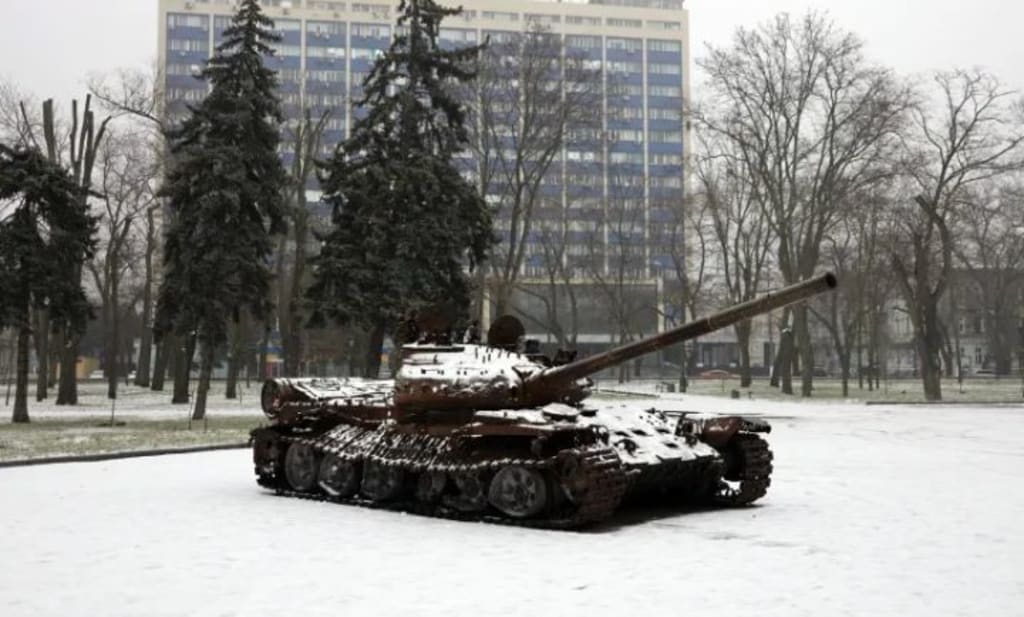
The Russian economy has shown surprising resilience since the start of the war in Ukraine, defying early predictions of collapse. However, a growing number of economists argue that this stability may be misleading. According to a former advisor to Russia’s central bank, the country is effectively “eating its own muscle” — sacrificing future economic capacity in order to sustain wartime spending today.
Since the invasion of Ukraine in 2022, the government led by Vladimir Putin has redirected massive resources toward defense, military production, and state support for key industries. While this has boosted short-term growth indicators, analysts warn the strategy is weakening productivity, investment, and long-term competitiveness.
War Spending Fuels Short-Term Growth
One of the key reasons the Russian economy has avoided immediate collapse is a surge in government spending. Military manufacturing, infrastructure tied to defense, and social payments to soldiers and their families have created strong domestic demand.
Factories producing weapons, vehicles, and equipment are operating at full capacity, helping keep employment levels high. Official statistics have pointed to steady GDP growth, leading some observers to conclude that sanctions have had limited impact.
But economists say this growth is heavily concentrated in sectors tied directly to the war. Rather than expanding the broader economy, resources are being diverted away from technology, education, and consumer industries — areas essential for long-term development.
The “Eating Muscle” Argument
The phrase “eating its own muscle” reflects a deeper concern: Russia may be using up its economic strengths faster than it can replace them. Skilled workers are being drawn into the military or defense production, while private investment has declined due to uncertainty and sanctions.
Capital that might have funded innovation is instead financing wartime needs. Over time, this can erode productivity and reduce the economy’s ability to grow once the conflict ends.
Former central bank advisors and independent analysts argue that this dynamic resembles a company selling core assets just to maintain daily operations. It may keep activity stable temporarily, but it weakens future performance.
Sanctions and Structural Isolation
Western sanctions have reshaped Russia’s economic landscape. Restrictions on technology exports, financial transactions, and energy revenues have forced the country to adapt rapidly. Trade has shifted toward Asian partners, particularly China, and domestic industries have attempted to replace foreign goods.
While these adjustments have prevented immediate collapse, they come with costs. Limited access to advanced technology affects sectors such as aviation, energy extraction, and manufacturing. Over time, this can reduce efficiency and innovation.
Financial isolation also complicates investment. With fewer international partners and higher borrowing costs, companies face barriers to expansion. Economists warn that these structural changes may persist long after the war.
Labor Shortages and Productivity Risks
Another major challenge is the labor market. Military mobilization, migration, and demographic trends have reduced the available workforce. Businesses in construction, technology, and services report difficulty finding skilled employees.
To compensate, wages in some sectors have risen sharply. While higher pay can support consumer spending, it may also create inflationary pressure and reduce competitiveness.
Productivity — a key driver of long-term growth — becomes harder to sustain when skilled labor is scarce and investment is constrained. Analysts say this combination could limit Russia’s economic potential for years.
Energy Revenues Provide a Cushion
Despite these pressures, Russia continues to benefit from energy exports. Oil and gas sales remain a major source of government revenue, even with price caps and sanctions. Alternative shipping routes and new buyers have allowed exports to continue, albeit often at discounted prices.
This revenue has helped finance military spending and social programs, delaying more severe economic consequences. However, reliance on energy also exposes the country to market volatility.
If global prices fall or export restrictions tighten, the fiscal cushion could weaken quickly. Economists caution that an economy heavily dependent on commodities faces inherent instability.
Inflation, Currency Pressures, and State Control
The government has increasingly intervened in the economy to manage inflation and currency fluctuations. Capital controls, interest-rate adjustments, and direct support for strategic industries have stabilized markets at times.
Yet greater state involvement can crowd out private enterprise. When the government directs investment priorities, smaller businesses may struggle to compete or secure financing.
Some analysts see Russia moving toward a more centralized wartime economic model — one that prioritizes stability and defense over efficiency and innovation.
The Long-Term Cost of War
Perhaps the most significant concern is the long-term impact. Infrastructure damage, reduced foreign investment, and technological isolation could slow growth even after the conflict ends. Rebuilding lost capacity takes time, particularly in advanced industries.
Human capital losses also matter. Emigration of skilled professionals and disruptions to education can shape economic performance for decades. Economists often describe these effects as “hidden costs” that become visible only years later.
The former central bank advisor’s warning highlights this risk: the economy may appear strong today, but underlying foundations are weakening.
A Divided Outlook Among Analysts
Not all economists agree on the severity of the situation. Some argue that Russia’s ability to adapt — shifting trade, expanding domestic production, and maintaining energy revenues — demonstrates resilience that could support long-term stability.
Others believe the current model is unsustainable. They point to declining productivity, rising state control, and demographic pressures as signs that growth will slow significantly once wartime spending eases.
The truth likely lies somewhere in between. Russia’s economy has proven more flexible than expected, but flexibility does not eliminate structural challenges.
An Economy Shaped by Conflict
The war has transformed Russia’s economic priorities, redirecting resources toward immediate survival rather than future expansion. This shift may help sustain activity in the short term, but it raises difficult questions about what comes next.
Whether the country can transition back to a diversified growth model will depend on geopolitical developments, investment flows, and domestic reforms. Until then, the economy remains heavily influenced by military needs.
The warning that Russia is “eating its own muscle” serves as a reminder that economic strength is not just about current output — it is also about the capacity to grow. As long as the conflict continues, that capacity may continue to erode, shaping the country’s economic trajectory long after the fighting stops.
About the Creator
The Finance Director's Job Has Changed - Here's what that means for business
Not long ago, the finance director (FD) was widely seen as the person who “kept the numbers straight.” Budgets, accounting oversight, compliance, controls, reporting—essential work, but often backward-looking and reactive.
By Adrian Lawrencea day ago in Journal


Comments
There are no comments for this story
Be the first to respond and start the conversation.