
The Ultimate Guide to Non-Alcoholic Wine Taste, and the Best Brands in 2025
winesformothers
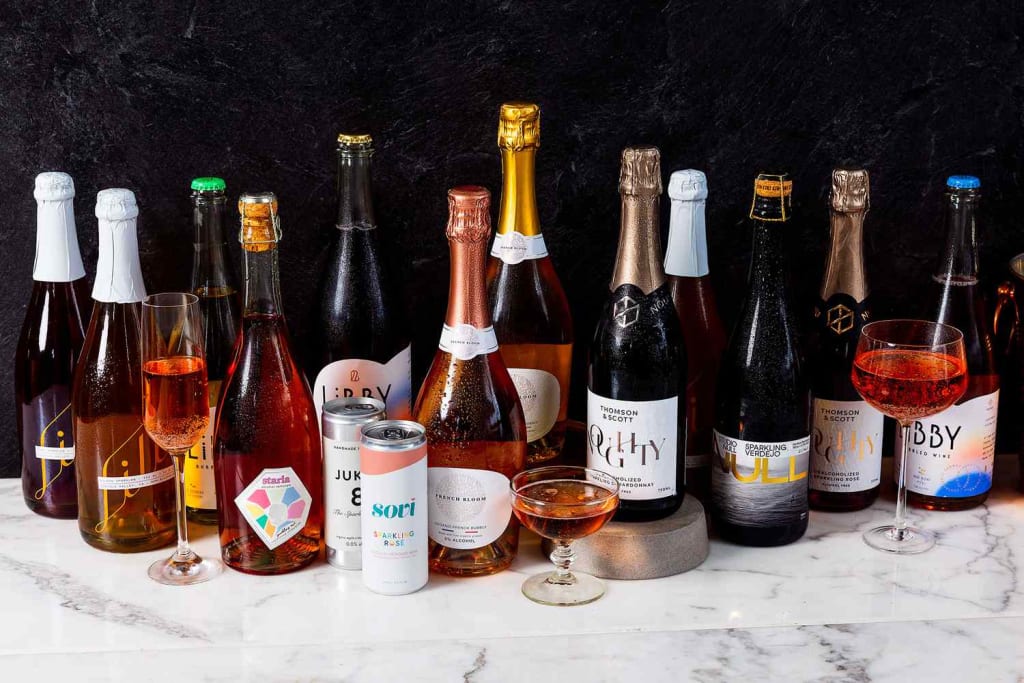
In recent years, non-alcoholic wine has gained remarkable popularity among wine lovers, health enthusiasts, and mindful drinkers. Whether you’re abstaining from alcohol for health, lifestyle, or religious reasons, today’s non-alcoholic wines offer sophisticated flavors that rival their traditional counterparts. In this comprehensive guide, we’ll explore everything about non-alcoholic wine—from how it’s made and its health benefits to the top brands you should try in 2025.
What Is Non-Alcoholic Wine?
Non-alcoholic wine is real wine that undergoes a process to remove or reduce its alcohol content, usually to less than 0.5% ABV. Unlike simple grape juice, these wines are made using traditional winemaking techniques—fermentation, aging, and bottling—before the alcohol is extracted. The result is a refined drink that maintains the aroma, body, and complexity of traditional wine without the intoxicating effects.
How Non-Alcoholic Wine Is Made
The process of crafting non-alcoholic wine involves advanced technology and precision to preserve flavor and character. Here’s how it’s typically done:
- Traditional Winemaking: The process begins just like any other wine, using fermented grapes that develop alcohol naturally.
- Alcohol Removal: The alcohol is gently extracted using methods such as:
- Vacuum Distillation – lowers boiling points to remove alcohol at low temperatures, maintaining flavor integrity.
- Reverse Osmosis – filters out alcohol molecules while keeping essential compounds like tannins and aroma.
- Spinning Cone Column – a high-tech process that separates alcohol while preserving delicate flavor compounds.
- Flavor Preservation: After alcohol removal, winemakers reintroduce flavor essences to ensure a rich and balanced profile.
The result? A non-alcoholic wine that mirrors the sophistication of traditional varieties.
The Growing Popularity of Non-Alcoholic Wine
With more people embracing wellness-focused lifestyles, the demand for non-alcoholic beverages has skyrocketed. From social drinkers seeking moderation to expectant mothers and fitness enthusiasts, the audience for non-alcoholic wine continues to expand.
According to industry insights, the global non-alcoholic wine market is projected to reach $10 billion by 2030, reflecting the shift toward mindful consumption and premium-quality alcohol-free alternatives.
Health Benefits of Non-Alcoholic Wine
Choosing non-alcoholic wine isn’t just about avoiding intoxication—it also offers several health advantages:
1. Heart Health
Non-alcoholic red wine retains polyphenols and antioxidants, including resveratrol, which promote heart health by improving blood circulation and reducing cholesterol levels.
2. Reduced Calorie Intake
Alcohol adds significant calories to beverages. By removing alcohol, non-alcoholic wines typically contain 50–75% fewer calories than their alcoholic counterparts—ideal for those managing weight.
3. Better Sleep Quality
Unlike regular wine, which can disrupt REM sleep, non-alcoholic wines allow you to unwind in the evening without affecting your sleep cycle.
4. Safe for All Occasions
From work events to family gatherings, non-alcoholic wine makes it easy to participate in social rituals without compromising health or personal choices.
5. Supports Liver Health
Without ethanol, your liver gets a well-deserved break, making non-alcoholic wine a smart choice for long-term wellness.
Popular Types of Non-Alcoholic Wine
Just like traditional wines, non-alcoholic wines come in various types and styles. Here are the most popular categories:
1. Non-Alcoholic Red Wine
Known for its depth and richness, non-alcoholic red wine is perfect for pairing with hearty meals. It retains tannins and complex notes from grapes like Cabernet Sauvignon, Merlot, and Shiraz.
2. Non-Alcoholic White Wine
Light, crisp, and refreshing, non-alcoholic white wine made from grapes like Chardonnay and Sauvignon Blanc is great for seafood or summer salads.
3. Non-Alcoholic Rosé
With its blush color and fruity notes, non-alcoholic rosé is a versatile choice for both casual brunches and evening celebrations.
4. Non-Alcoholic Sparkling Wine
For those who love celebrations, non-alcoholic sparkling wine provides the same effervescence and charm as Champagne—minus the hangover.
Top Non-Alcoholic Wine Brands to Try in 2025
Here are some of the best non-alcoholic wine brands leading the industry in 2025:
1. Ariel Vineyards
A pioneer in the alcohol-free wine space, Ariel produces full-bodied reds and crisp whites using premium California grapes.
2. Giesen 0%
Known for its exceptional Sauvignon Blanc, Giesen offers vibrant, citrus-forward wines that feel remarkably close to traditional ones.
3. Fre Wines
Owned by Sutter Home, Fre specializes in smooth and accessible non-alcoholic wines, including Chardonnay, Merlot, and Moscato.
4. Noughty
A luxury brand offering organic and vegan-friendly sparkling wines, Noughty has become a favorite among high-end restaurants and health-conscious consumers.
5. Pierre Chavin
This French brand delivers elegant non-alcoholic rosé and white wines that balance sophistication with affordability.
6. Oddbird
Crafted in Sweden, Oddbird uses traditional aging processes to deliver non-alcoholic wines with complex depth and a refined finish.
How to Serve and Enjoy Non-Alcoholic Wine
To fully appreciate non-alcoholic wine, serving it correctly enhances the overall experience:
- Serve Chilled: White, rosé, and sparkling wines taste best between 40–50°F.
- Let Reds Breathe: Red varieties should be served slightly below room temperature to unlock their aromas.
- Use Proper Glassware: Use wine glasses suitable for each type—tulip-shaped for whites, wide-rimmed for reds.
- Pair with Food: Enjoy with dishes that match traditional wine pairings—red wines with meats, whites with seafood, and sparkling wines with desserts.
Non-Alcoholic Wine vs Grape Juice
It’s important to distinguish non-alcoholic wine from simple grape juice. While both are alcohol-free, their production methods and flavors differ significantly.
- Grape juice is made by pressing grapes and pasteurizing the liquid.
- Non-alcoholic wine undergoes fermentation, aging, and alcohol removal—resulting in complex notes similar to traditional wine.
- In essence, non-alcoholic wine offers an authentic wine experience, not just sweet grape juice.
Why Choose Non-Alcoholic Wine in 2025
With the growing awareness around health and mindfulness, non-alcoholic wine stands as a perfect choice for those seeking balance. It allows you to celebrate life’s moments, maintain clarity, and indulge in flavor—all without alcohol’s drawbacks. Whether you’re hosting a dinner, attending a corporate event, or simply relaxing after a long day, a glass of non-alcoholic wine can make every moment special.
Final Thoughts
The rise of non-alcoholic wine marks a revolution in modern drinking culture. As technology advances, these wines continue to improve in flavor, aroma, and authenticity—offering a guilt-free way to enjoy the timeless pleasure of wine. In 2025, choosing non-alcoholic wine isn’t just a trend—it’s a lifestyle that blends sophistication with well-being.
About the Creator
andy
I am a passionate guest blogger who enjoys exploring and writing about a variety of topics. I aim to provide insightful and engaging content that resonates with readers.
Think for Me
"How do you calculate the circumference of a circle? Submit your answer when ready." [Pause] "Excellent! Every student was able to call up the answer electronically very quickly. If I, as a robot had feelings, I would express pride. You may break for lunch. Return to this cyber room in 45 minutes."
By Julie Lacksonen3 days ago in Humans


Comments
There are no comments for this story
Be the first to respond and start the conversation.