
Turn Ordinary Events Into Art With the Right Lighting
How Event Lighting Brings Out Beauty, Emotion, and Style
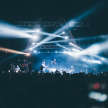

Lighting is more than just a tool to brighten a room. It’s a form of visual art that can evoke emotions, inspire movement, and foster connections. When planned with care, event lighting can turn even the simplest setting into something special. From weddings to fundraisers, and from birthday parties to fashion shows, the right lighting makes the entire event feel polished, meaningful, and unforgettable.
Lighting Changes How We Experience Space
The way a room feels depends significantly on the light. A dim room can feel warm and cozy. A space with cool blue lights can feel calm and peaceful. Bright lights with shifting colors can bring excitement and energy.
These effects don’t happen by accident. Event planners and lighting designers utilize color, shape, shadow, and motion to influence how guests perceive their surroundings. A plain room becomes elegant. A warehouse turns into a dream space. With the right event lighting, any venue can look like a work of art.
Use Color to Build Atmosphere
Color is a powerful part of lighting design. Different colors create different moods. For example, amber and gold tones bring warmth and softness. Blues and purples create a cool, dreamy feeling. Bold reds and pinks spark energy and excitement.
You can match lighting to your event’s theme. A winter event might feature soft whites and blues. A garden party could glow with green and gold. Even changing colors during the night adds a fresh feeling to each phase of the event. With LED lights and smart tech, it’s easy to control every detail.
Highlight What Matters Most
At any event, some parts deserve more focus than others. Lighting helps direct people’s attention. Use it to spotlight a performer, speaker, or newlywed couple. Highlight decor, centerpieces, or a stage with soft glows or pin lights.
This creates a flow to the event. Guests are never confused about where to look or what’s happening. When the focus changes—say, from a speech to a performance—the lighting shifts, too. This natural guide keeps people engaged.
Create Texture and Depth
Lighting doesn’t just set the mood. It adds depth and layers to the room. By shining lights upward onto walls or ceilings, you can make the space feel taller. Patterns can be projected onto floors or backdrops, creating texture and style.
You can even use lighting to break up large, plain walls. Soft washes of color or subtle movement create interest without the need for physical decor. It’s a clean, budget-friendly way to bring life to every part of the venue.
Control the Energy of the Room
Lighting shapes energy. If the event starts with a calm dinner, use low, warm lighting to help guests relax. When it’s time for dancing, turn up the brightness and add color. Moving lights and strobes build excitement.
For daytime events, lighting remains a crucial factor. Even with natural sunlight, you can add warmth, highlights, or contrast with soft fills and bounces. As the sun sets, your lights take over, shifting the mood smoothly into the evening.
Match Lighting to the Style of the Event
Every event has its unique look and feel. A black-tie event might call for elegant uplighting, soft whites, and dramatic shadows. A rustic barn wedding could glow with string lights, lanterns, and candles. A product launch may require bold, modern lighting that syncs to music or video.
No matter the style, event lighting helps tie everything together. It complements the colors of the decor, sets the tone for each moment, and allows guests to connect with the event's purpose.
Make Photos and Videos Shine
Photos matter. So do videos. Good lighting makes sure every shot looks amazing. It helps skin tones look natural and keeps the setting crisp and colorful. Without it, photos can look flat, grainy, or dull.
Great lighting also helps photographers and videographers do their job better. Instead of working around poor conditions, they can capture the true highlights of the event. That means better memories and more shareable content after the event ends.
Lighting as a Design Element
When used effectively, lighting becomes an integral part of the event design. It’s not just a background tool. It’s as important as flowers, signs, or table settings. Many planners begin with lighting before selecting any other elements.
This approach saves time and money. Instead of needing tons of decor, lighting fills in the visual gaps. You can cover entire walls in color. You can make a plain table glow. You can create shadows and movement without extra props.
Make Your Event Feel Like Art
Great events stay in people’s memories. They feel smooth, beautiful, and full of purpose. Lighting is what makes that possible. It changes emotion, draws attention, and ties every piece of the event together.
With the right lighting, an ordinary space becomes a masterpiece. Your guests may not notice the lights themselves, but they will feel their power.
About the Creator
Brian Casella
Brian Casella is an event lighting designer and property owner who blends creativity with business across the Northeast through design and real estate work.
Portfolio: https://briancasella.com/
Keep reading
More stories from Brian Casella and writers in Journal and other communities.
Understanding the Role of Event Power Planning in Modern Events
In the world of event management, numerous details contribute to success—venue design, guest experience, sound, lighting, and logistics. Yet one fundamental factor often receives less attention than it deserves: event power planning. Educating professionals about the importance of power management is essential because without reliable power, even the most carefully planned event can fail.
By Brian Casella3 months ago in Journal
~ Fired ~
— Ai Intrusion ~ Are you Next ~ Is Ai Evolution after your job? — Few workplaces haven't been affected. Ai is in supermarkets, at doctors' offices, and even monitoring farms. I just can't think of anything this machine is not getting into, can you? For instance: Education ~ Law and Tech jobs will one day have a major influence or be taken over by these inanimate machines, with accuracy and vigor. From mechanics' diagnoses to a wide variety of everyday jobs, including fast food workers, with this input having the ability to cut their unnecessary work hours. I'm certain all of us have been touched by this with our short stories and colorful headings, have you? Even comments are very questionable 'Non-Robot' insertions.
By Jay Kantor7 days ago in Journal
Self Help: Grifters' Gospel
On Self-Help, Snake Oil, and the Illusion of Change Psychology professionals and students can be imagined on two opposite sides of a line called self-help books: likely a larger group opposes pop-science and step-by-step manuals filled with talk of success, journaling, and not giving a f**k; others love them, but they aren’t many.
By Avocado Nunzella BSc (Psych) -- M.A.P 6 days ago in BookClub


Comments
There are no comments for this story
Be the first to respond and start the conversation.