
US Earmarks $1.3 Billion for Reko Diq Mining Project
Strategic funding for Pakistan’s flagship copper-gold project signals deeper US engagement in critical minerals and regional economic development
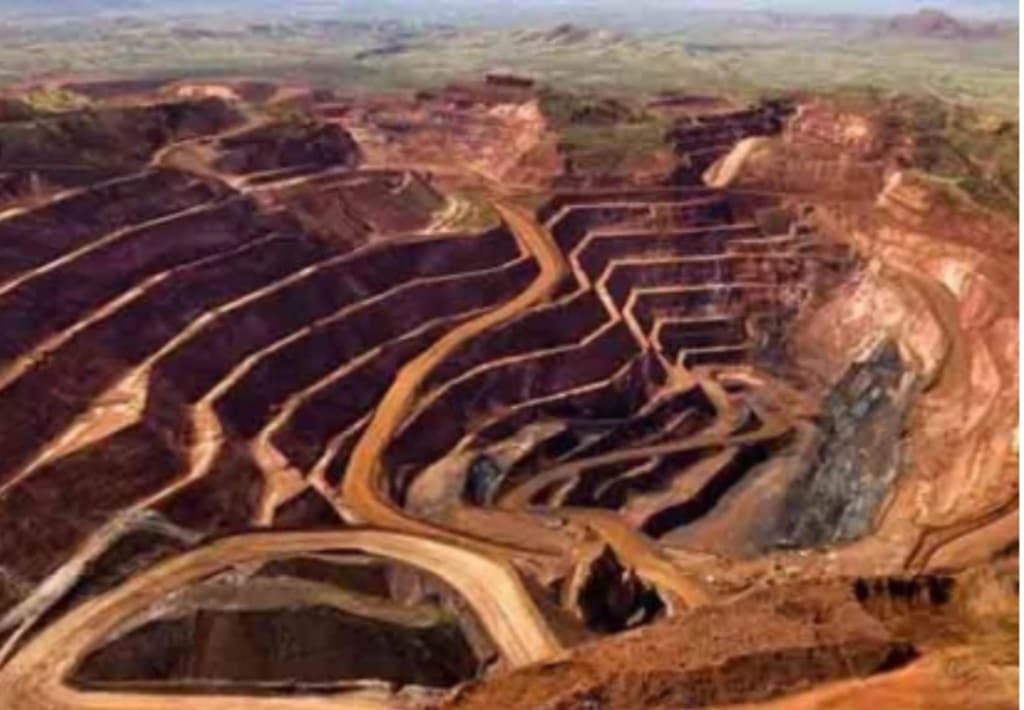
The United States has earmarked $1.3 billion in financing support for Pakistan’s Reko Diq mining project, marking one of the most significant foreign commitments to the country’s extractive sector in decades. Located in Balochistan, Reko Diq is among the world’s largest undeveloped copper and gold deposits. The US move is being widely viewed not only as an economic boost for Pakistan, but also as a strategic step in the global race to secure critical minerals essential for clean energy technologies, defense systems, and advanced manufacturing.
The announcement comes at a time when global supply chains for copper and other strategic minerals are under increasing pressure. Electrification, renewable energy expansion, and the rapid growth of electric vehicles have driven demand for copper to record levels. Against this backdrop, Washington’s decision to back Reko Diq underscores the project’s growing importance far beyond Pakistan’s borders.
Why Reko Diq Matters
Reko Diq sits in Pakistan’s mineral-rich Chagai district near the border with Iran and Afghanistan. Geological surveys suggest the project holds vast reserves of copper and gold, with an estimated mine life stretching over several decades. Once operational, Reko Diq is expected to rank among the top copper-producing mines globally, making it a cornerstone asset for Pakistan’s long-term economic strategy.
For Pakistan, the project represents more than just mineral extraction. It is seen as a potential catalyst for regional development in Balochistan, a province that has long lagged behind the rest of the country in terms of infrastructure and investment. Revenue from exports, job creation, and the development of supporting industries could significantly alter the local economic landscape if managed effectively.
The US Strategic Calculus
The $1.3 billion earmarked by the United States is widely interpreted as part of a broader strategy to diversify global mineral supply chains. In recent years, Washington has sought to reduce reliance on a small number of countries for critical raw materials, particularly those used in batteries, renewable energy systems, and military hardware.
Copper, in particular, is central to this strategy. It is indispensable for power grids, electric motors, and energy storage systems. By supporting Reko Diq, the US is effectively investing in a long-term, stable source of supply while strengthening economic ties with Pakistan.
The funding is also expected to align with international environmental, social, and governance (ESG) standards. US-backed financing typically comes with strict requirements related to transparency, labor practices, and environmental protection. For Reko Diq, this could help ensure that the project avoids some of the pitfalls that have plagued large-scale mining ventures in developing economies.
A Long Road to Revival
Reko Diq’s journey has been far from smooth. The project was stalled for years due to legal disputes between Pakistan and foreign investors, culminating in a costly international arbitration case. A restructured agreement reached in recent years paved the way for the project’s revival, with a new ownership framework involving Pakistan’s federal and provincial governments alongside international mining partners.
The US commitment adds a new layer of credibility to this revived structure. Analysts note that such a significant financial endorsement could help unlock additional funding from multilateral lenders and private investors, accelerating the project’s development timeline.
Economic Impact for Pakistan
If developed as planned, Reko Diq could transform Pakistan’s balance of payments outlook. Copper and gold exports would provide a steady stream of foreign exchange, reducing reliance on external borrowing and easing pressure on the country’s currency reserves. Over time, royalties and taxes could contribute billions of dollars to public finances.
Employment is another key factor. Construction and operation of the mine are expected to generate thousands of direct and indirect jobs, particularly in Balochistan. Skills development, technology transfer, and improved infrastructure could leave lasting benefits well beyond the life of the mine.
However, experts caution that realizing these gains will depend heavily on governance. Transparent revenue management, fair distribution of benefits, and meaningful engagement with local communities will be critical to ensuring that the project delivers inclusive growth rather than fueling grievances.
Environmental and Social Considerations
Large-scale mining inevitably raises environmental concerns, especially in ecologically sensitive and water-scarce regions like Balochistan. The involvement of US financing institutions is likely to bring heightened scrutiny of environmental safeguards, water usage, and waste management practices.
Social license to operate will also be crucial. Local communities have historically expressed concerns over land rights, resource sharing, and environmental degradation. Addressing these issues proactively through consultation, compensation, and community development programs will be essential for the project’s long-term success.
A Signal to the World
Beyond its immediate economic implications, the US decision to earmark $1.3 billion for Reko Diq sends a broader geopolitical signal. It reflects Washington’s intent to re-engage economically with Pakistan at a time when global competition for influence in South Asia is intensifying. By backing a project of this scale, the US positions itself as a long-term partner in Pakistan’s development rather than a short-term financier.
For Pakistan, the challenge now lies in translating this strategic opportunity into tangible, sustainable outcomes. If managed well, Reko Diq could become a model for responsible resource development—one that balances economic growth with environmental stewardship and social inclusion.
Looking Ahead
The earmarking of $1.3 billion by the United States marks a turning point for the Reko Diq mining project. It brings renewed momentum, international confidence, and strategic relevance to an asset that has long been seen as Pakistan’s untapped treasure. As global demand for copper and gold continues to rise, Reko Diq stands poised to play a pivotal role—both in Pakistan’s economic future and in the evolving geopolitics of critical minerals.
About the Creator
Keep reading
More stories from Sadaqat Ali and writers in Journal and other communities.
Japanese Stocks Soar to Record After Sanae Takaichi’s Landslide Election Win
Tokyo: Japanese equities surged to fresh all-time highs after Sanae Takaichi secured a landslide victory in the national election, delivering one of the strongest political mandates seen in Japan in decades. The decisive outcome removed months of uncertainty, triggering a wave of optimism across financial markets and reinforcing investor confidence in Japan’s economic direction.
By Sadaqat Aliabout 22 hours ago in Journal
FTSE Hits Record High as Gold and Oil Tumble
The FTSE has reached a record high as global commodity prices, particularly gold and oil, experience notable declines. The market movement reflects shifting investor sentiment, changes in global economic outlooks, and evolving expectations around inflation and interest rates. While falling commodity prices often signal economic uncertainty, in this case they appear to have boosted investor confidence in equities, particularly in sectors that benefit from lower input and energy costs.
By Aarif Lashari7 days ago in Journal


Comments
There are no comments for this story
Be the first to respond and start the conversation.