
Vision Care Market to Hit $94.33B by 2033: Trends & Insights
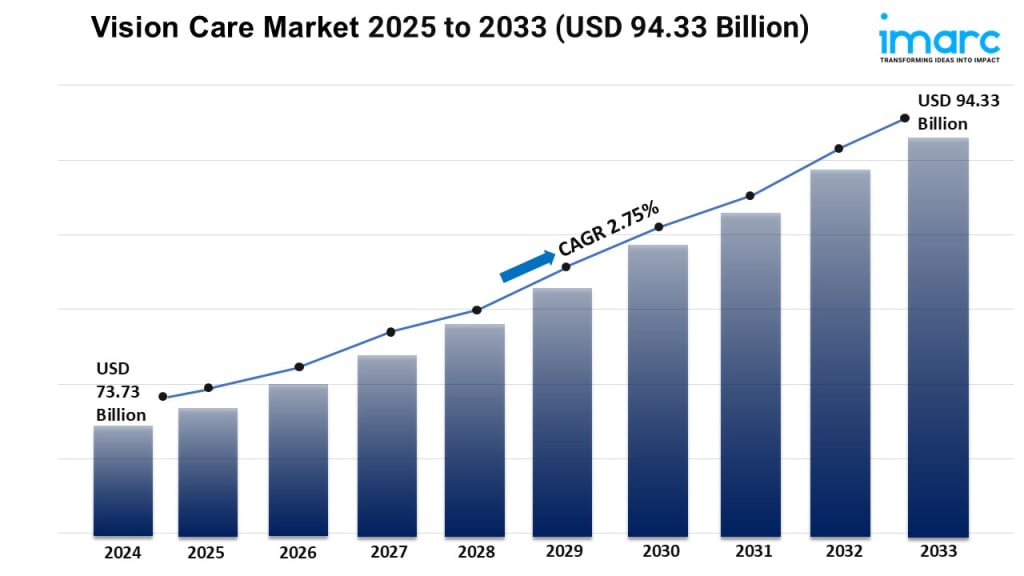
The global vision care market size was valued at USD 73.73 Billion in 2024. Looking forward, IMARC Group estimates the market to reach USD 94.33 Billion by 2033, exhibiting a CAGR of 2.75% from 2025-2033.

The vision care market is a vital segment of the global healthcare industry, dedicated to preserving and enhancing one of the most critical human senses—vision. As eye health becomes a growing concern due to modern lifestyles, aging populations, and technological advancements, the vision care industry is poised for steady growth. This comprehensive blog post explores the vision care market’s size, share, trends, and forecast from 2025 to 2033, delving into key trends, regulatory frameworks, growth drivers, challenges, and future opportunities. Whether you're an industry professional, investor, or simply curious about eye care, this article provides an in-depth, SEO-friendly guide to understanding the dynamics of this evolving market.
Overview of the Vision Care Market
Vision care encompasses a wide range of services, products, and practices aimed at maintaining and improving eye health and visual acuity. From corrective lenses to advanced surgical procedures, the industry addresses conditions such as myopia, hyperopia, astigmatism, presbyopia, and serious eye diseases like glaucoma and cataracts. Vision care integrates the expertise of ophthalmologists, optometrists, and opticians, ensuring comprehensive eye health management through preventive measures, diagnostics, and treatments.
The market is driven by increasing awareness of eye health, technological innovations, and a growing prevalence of vision disorders. With digital devices becoming ubiquitous and populations aging globally, the demand for vision care solutions continues to rise. The industry is highly competitive, with major players focusing on innovation, accessibility, and affordability to capture market share.
Key Highlights of the Vision Care Market:
Scope: Includes eyeglasses, contact lenses, intraocular lenses, contact lens solutions, LASIK equipment, and artificial tears.
Services: Encompasses regular eye examinations, diagnosis and treatment of eye diseases, and surgical interventions like LASIK and cataract surgery.
Key Players: Leading companies include Johnson & Johnson Services, Inc., Cooper Vision, Inc., Bausch Health Companies, Inc., EssilorLuxottica, and Carl Zeiss.
Consumer Base: Spans all age groups, with significant demand from aging populations and younger demographics affected by digital eye strain.
Global Reach: Strong presence in North America, Europe, and Asia-Pacific, with emerging markets showing rapid growth potential.
Market Size and Growth
The global vision care market size was valued at USD 73.73 Billion in 2024. Looking forward, IMARC Group estimates the market to reach USD 94.33 Billion by 2033, exhibiting a CAGR of 2.75% from 2025-2033. North America currently dominates the market, holding a market share of over 45.6% in 2024. This steady growth is fueled by several factors, including rising vision disorders, advancements in optical technology, and increased healthcare access in developed regions.
Market Size and Growth Insights:
North America’s Dominance: The region’s leadership is driven by robust healthcare infrastructure, high awareness of eye health, and innovations in lens materials and contact lenses.
Asia-Pacific Growth: Emerging economies like India and China are witnessing rapid market expansion due to large populations, increasing disposable incomes, and growing awareness of vision care.
Product Segmentation: Glass lenses hold the largest share (35.8% in 2024) due to their affordability, durability, and effectiveness in correcting refractive errors.
Distribution Channels: Retail stores lead as the primary distribution channel, offering personalized experiences and a wide range of products.
CAGR Projection: The 2.75% CAGR reflects steady demand, with incremental growth driven by technological advancements and preventive care initiatives.
The market’s growth trajectory is supported by rising cases of myopia, particularly among younger populations due to increased screen time, and an aging global population requiring solutions for presbyopia and cataracts. For example, in urban areas of Asia, myopia prevalence among children has surged, prompting governments and NGOs to launch community-based eye care programs.
Key Trends in the Vision Care Market
The vision care market is evolving rapidly, driven by technological advancements, changing consumer preferences, and increased focus on preventive care. Below are the key trends shaping the industry from 2025 to 2033.
1. Rise of Digital Eye Strain Solutions
The widespread use of smartphones, laptops, and other digital devices has led to a surge in digital eye strain, also known as computer vision syndrome. Symptoms include dry eyes, blurred vision, and headaches, affecting both adults and children. This trend has spurred demand for blue-light-blocking lenses and specialized eyewear designed to reduce eye strain. For instance, companies like EssilorLuxottica have introduced lenses with advanced coatings to filter blue light, catering to consumers spending prolonged hours on screens.
2. Technological Advancements in Vision Correction
Innovations in lens technology, such as multifocal and progressive lenses, are enhancing vision correction options. Smart contact lenses, which monitor intraocular pressure or glucose levels, are gaining traction, particularly for diabetic patients. Additionally, AI-driven diagnostic tools are improving the accuracy of eye disease detection, enabling early intervention. A notable example is the integration of AI in ophthalmology clinics to detect glaucoma and diabetic retinopathy with greater precision.
3. Growing Popularity of Contact Lenses
Contact lenses are increasingly preferred for their convenience and aesthetic appeal, particularly among younger consumers. Daily disposable lenses and specialized options for astigmatism and presbyopia are driving growth in this segment. In Asia-Pacific, colored contact lenses are gaining popularity for cosmetic purposes, with South Korea and Japan leading the trend.
4. Teleophthalmology and Digital Health Integration
The rise of telemedicine has transformed vision care by enabling remote consultations and eye tests. Teleophthalmology is particularly impactful in rural areas, where access to eye care professionals is limited. For example, in India, partnerships between NGOs and healthcare providers have facilitated virtual eye screenings, improving early detection of conditions like cataracts.
5. Sustainability and Eco-Friendly Products
Consumers are increasingly demanding sustainable vision care products, such as biodegradable contact lenses and eco-conscious eyewear frames. Companies are responding by adopting environmentally friendly manufacturing processes. For instance, some brands are using recycled materials for eyeglass frames, aligning with global sustainability goals.
6. Preventive Eye Care Awareness
Public health campaigns and educational initiatives are raising awareness about the importance of regular eye check-ups. Governments and NGOs are collaborating to promote eye health, particularly in underserved regions. In Japan, events like HOYA’s One Vision Day engage students to foster a culture of proactive eye care.
Regulatory Landscape
The vision care market operates within a stringent regulatory framework to ensure product safety, efficacy, and consumer trust. Regulations vary by region but share common goals of protecting patients and promoting innovation. Below are key aspects of the regulatory landscape.
1. Product Safety and Standards
Governments worldwide enforce strict standards for vision care products, including eyeglasses, contact lenses, and intraocular lenses. In the U.S., the FDA regulates medical devices and contact lenses, requiring rigorous testing and approval processes. For example, contact lenses must comply with the Contact Lens Rule, which mandates prescriptions and ensures consumer access to their lens specifications.
2. Data Privacy in Teleophthalmology
With the rise of teleophthalmology, data privacy regulations like HIPAA in the U.S. and GDPR in Europe are critical. These regulations ensure that patient information shared during virtual consultations is secure, fostering trust in digital health platforms.
3. Reimbursement Policies
In developed countries, favorable reimbursement policies for procedures like cataract surgery drive market growth. For instance, Medicare in the U.S. covers certain vision care services, making treatments more accessible. However, coverage for premium intraocular lenses or cosmetic contact lenses is often limited, impacting affordability.
4. Regional Variations
Regulatory approval processes differ across regions, leading to delays in product launches. In emerging economies, lax regulations can result in counterfeit products, posing risks to consumer safety. For example, fake contact lenses in Asia-Pacific markets have prompted stricter enforcement by local authorities.
5. Innovation and Compliance
Emerging technologies like gene therapy and AI diagnostics face complex regulatory pathways. While these innovations promise transformative outcomes, lengthy approval timelines can hinder market entry. Companies must balance innovation with compliance to maintain competitiveness.
Case Study: FDA Approval of PRECISION7 Contact LensesIn September 2023, Alcon launched PRECISION7, a weekly replacement contact lens with the ACTIV-FLO System for enhanced comfort. The FDA’s approval process ensured the lens met safety and performance standards, highlighting the importance of regulatory compliance in bringing innovative products to market.
Challenges in the Vision Care Market
Despite its growth potential, the vision care market faces several challenges that could impede expansion. Addressing these hurdles is crucial for stakeholders to capitalize on emerging opportunities.
1. High Costs of Advanced Treatments
Advanced vision care therapies, such as premium intraocular lenses and LASIK surgery, are expensive, limiting accessibility in developing economies. For example, in low-income regions, the cost of cataract surgery can be prohibitive, leading to untreated vision impairments.
2. Counterfeit Products
The presence of fake contact lenses and spectacles in emerging markets poses significant risks to consumer safety and brand reputation. These counterfeit products often fail to meet safety standards, leading to eye infections or inadequate vision correction.
3. Lack of Awareness
While awareness of eye health is increasing, many consumers remain unaware of the long-term effects of digital eye strain or the importance of regular eye exams. This knowledge gap limits adoption of preventive measures, particularly in rural areas.
4. Regulatory Delays
Varying approval procedures across regions can delay product launches, affecting market competitiveness. For instance, AI-driven diagnostic tools may face prolonged scrutiny in Europe due to GDPR requirements, slowing their adoption.
5. Accessibility in Emerging Markets
Inadequate healthcare infrastructure in developing regions hinders access to vision care services. Rural populations often lack access to ophthalmologists or affordable products, creating disparities in eye health outcomes.
Case Study: Addressing Accessibility in IndiaIn India, NGOs like VisionSpring have partnered with local healthcare providers to distribute affordable eyeglasses in rural areas. By training community health workers to conduct basic eye screenings, these initiatives have improved access to vision correction, demonstrating a scalable model for addressing accessibility challenges.
Future Opportunities
The vision care market is ripe with opportunities for growth and innovation, driven by technological advancements, expanding markets, and evolving consumer needs. Below are key opportunities for stakeholders from 2025 to 2033.
1. Expansion in Emerging Markets
Asia-Pacific and Latin America present significant growth potential due to large populations, rising disposable incomes, and increasing awareness of eye health. Companies can invest in affordable product lines and distribution networks to capture these markets. For example, China’s growing middle class is driving demand for premium eyewear and contact lenses.
2. Advancements in Smart Eyewear
Smart glasses with augmented reality (AR) capabilities are emerging as a game-changer in vision care. These devices can monitor eye health, provide real-time vision correction, and enhance user experiences. Partnerships between tech giants and vision care companies could accelerate adoption.
3. AI and Gene Therapy
AI-powered diagnostics and gene therapy offer transformative potential for treating genetic eye disorders and improving diagnostic accuracy. For instance, CRISPR-based therapies are being explored for conditions like retinitis pigmentosa, opening new avenues for personalized care.
4. Teleophthalmology Growth
The expansion of teleophthalmology can bridge gaps in access to care, particularly in underserved regions. Companies can develop user-friendly platforms for virtual eye exams, leveraging mobile technology to reach remote populations.
5. Sustainable Product Development
The demand for eco-friendly vision care products is growing, creating opportunities for companies to innovate with biodegradable materials and sustainable manufacturing processes. Brands that prioritize sustainability can differentiate themselves in a competitive market.
Case Study: Johnson & Johnson’s Myopia ManagementIn 2021, Johnson & Johnson Vision collaborated with Menicon to develop innovative contact lenses for myopia management in children. This strategic partnership highlights the potential for industry leaders to address specific vision disorders through targeted product development, setting a precedent for future collaborations.
Conclusion
The vision care market is on a steady growth trajectory, driven by rising vision disorders, technological advancements, and increasing awareness of eye health. With a projected market size of USD 94.33 Billion by 2033, the industry offers significant opportunities for stakeholders to innovate and expand. Key trends like digital eye strain solutions, teleophthalmology, and sustainable products are reshaping the market, while challenges such as high costs and counterfeit products require strategic solutions. By leveraging emerging technologies, expanding into high-growth regions, and addressing accessibility barriers, companies can position themselves for success in this dynamic industry.
The future of vision care lies in personalized, accessible, and sustainable solutions that prioritize both corrective and preventive care. As the industry continues to evolve, collaboration between healthcare providers, tech innovators, and policymakers will be crucial in ensuring clear vision and improved quality of life for millions worldwide. Whether through AI diagnostics, eco-friendly eyewear, or expanded teleophthalmology, the vision care market is poised to illuminate a brighter future for eye health.
About the Creator
sujeet. imarcgroup
With 2 years of hands-on experience at IMARC Group, I have conducted in-depth market research and analysis across diverse industries including technology, healthcare, agriculture, and consumer goods.
Keep reading
More stories from sujeet. imarcgroup and writers in Journal and other communities.
Content Security Gateway Market to Hit $14.2B by 2033: Key Trends
Content Security Gateway Market: Size, Share, Trends, and Forecast 2025-2033 The content security gateway market is rapidly evolving as organizations worldwide prioritize robust cybersecurity to combat escalating digital threats. These gateways serve as critical barriers, filtering web Vaccum, protecting networks from malicious content, and ensuring secure data transmission. This comprehensive blog post explores the content security gateway market, covering its size, share, trends, forecast by type, nature, distribution channel, and region from 2025 to 2033. We’ll also delve into key trends, regulations, market growth, challenges, and future opportunities, while providing insights into the food logistics market and drawing parallels with trends in the manuka honey market.
By sujeet. imarcgroup9 months ago in Journal
Silver Price Analysis – Silver Continues to Look for Its Range on Wednesday
Silver prices remained unsettled on Wednesday as the market struggled to establish a clear direction. After experiencing sharp swings in recent weeks, the precious metal is now moving sideways, reflecting uncertainty among traders and investors. Despite several attempts to break higher or lower, silver continues to trade within a defined range, signaling hesitation and a lack of strong conviction from either buyers or sellers.
By Sajida Sikandar5 days ago in Journal
Part 2 Interview With Joe Patterson, Author Of Melanin Memoirs
This is my second interview with Joe Patterson. His 4th anniversary writing on Vocal will be in March 2026. He has one achievement on Vocal, The Other Foot. He has over 17,000 reads on Vocal since he started on Vocal in 2022. Joe Patterson is very creative poet and rapper. Joe is deep thinker and I feel it is reflected in his latest published book, Melanin Memoirs.
By Mariann Carroll4 days ago in Interview




Comments
There are no comments for this story
Be the first to respond and start the conversation.