
What is the Future of Sustainable Charcoal Production Technology?
Innovative Technologies Shaping a Greener Charcoal Industry
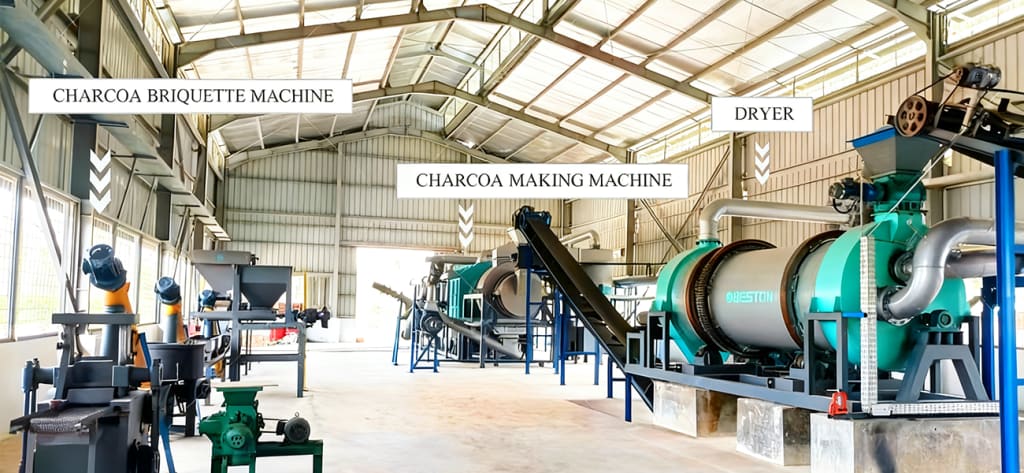
As global demand for energy continues to rise, the need for sustainable energy sources is becoming more pressing. Charcoal, a traditional fuel used for cooking, heating, and industrial applications, is often produced through methods that contribute to deforestation, air pollution, and other environmental concerns. However, with the rise of new sustainable charcoal production technologies, there is hope for a cleaner, more eco-friendly future for this widely used fuel. But what exactly does the future hold for sustainable charcoal production, and what technologies are at the forefront of this movement?
Traditional Charcoal Production: A Brief Overview
Traditionally, charcoal has been produced through a process known as pyrolysis, where organic material such as wood is heated in an oxygen-limited environment to break it down into charcoal, gas, and liquid byproducts. However, traditional charcoal production methods are often inefficient and environmentally harmful:
- Deforestation: Large amounts of wood are used to create charcoal, which leads to deforestation, especially in regions where wood harvesting is not well-regulated.
- Emissions: The process produces significant air pollution, releasing carbon dioxide (CO₂), particulate matter, and other harmful substances.
- Inefficiency: Traditional charcoal production methods often have low energy efficiency, with much of the energy lost as waste heat or unutilized byproducts.
With these issues in mind, the search for more sustainable alternatives has accelerated in recent years. So, what are the technologies leading the charge for a cleaner, more sustainable future in charcoal production?
1. Biomass Pyrolysis: Sustainable Raw Materials
One of the most promising innovations in sustainable charcoal production is the use of biomass pyrolysis. This technology involves converting various types of organic waste (such as sawdust, agricultural residues, and even food waste) into high-quality charcoal. The use of alternative raw materials instead of traditional wood for charcoal production significantly reduces the pressure on forests and helps close the loop on waste management.
Biomass pyrolysis has several advantages:
- Waste-to-Resource: It turns waste materials into valuable resources, such as biochar (a form of charcoal), syngas, and bio-oil, which can be used for energy production and other applications.
- Reduced Environmental Impact: By using non-wood biomass, this technology reduces deforestation and minimizes the environmental footprint of charcoal production.
- Carbon Sequestration: Biochar produced from biomass pyrolysis can be used to sequester carbon in soils, acting as a long-term carbon sink and contributing to carbon offsetting efforts.
2. Sawdust Charcoal Making Technology
Sawdust, a byproduct of the wood industry, is another popular feedstock for sustainable charcoal production. Sawdust charcoal making machines use pyrolysis to convert sawdust into high-quality charcoal, which can be used as a cleaner alternative to traditional charcoal.
The benefits of sawdust charcoal making machine include:
- Utilizing Waste: Sawdust is a waste product from sawmills, and its conversion into charcoal adds value to an otherwise discarded material.
- Efficient Use of Energy: Modern sawdust charcoal making machines are designed to maximize energy efficiency, using the syngas produced during pyrolysis to power the process itself.
- Reduced Emissions: With advanced filtration and emission control technologies, sawdust charcoal production can minimize harmful air pollutants, such as particulate matter and CO₂.
3. Carbonization of Agricultural Residues
Another promising approach to sustainable charcoal production involves the carbonization of agricultural residues—materials left over from farming activities, such as rice husks, sugarcane bagasse, and corn stover. These residues are often burned or discarded, contributing to environmental pollution. However, when carbonized in controlled conditions, they can be converted into high-quality charcoal.
Key advantages of using agricultural residues include:
- Waste Utilization: Agricultural residues are often abundant and underutilized, so carbonizing them helps reduce waste while creating a valuable product.
- Lower Environmental Impact: By using agricultural waste instead of wood, this process helps conserve forests and reduces the environmental impact associated with traditional charcoal production.
- Carbon Sequestration: As with biomass pyrolysis, the carbon produced in agricultural residue charcoal can be used to sequester carbon, mitigating climate change effects.
4. Charcoal Briquettes and Compressed Charcoal Technology
In addition to traditional lump charcoal, charcoal briquettes are becoming more popular due to their uniform size, ease of use, and efficient burning properties. Briquettes can be made from sawdust, agricultural residues, and even waste plastics, providing a cleaner and more sustainable alternative to traditional charcoal.
Technologies for producing compressed charcoal and briquettes often include:
- Binder-Free Methods: Some modern briquette-making techniques eliminate the need for chemical binders, making the process more environmentally friendly.
- Waste-to-Product: Like other sustainable charcoal technologies, briquette production can be integrated with waste management processes, helping to convert biomass waste into a usable and valuable product.
The Future of Sustainable Charcoal Production
The future of sustainable charcoal production lies in continued innovation, as new technologies emerge to make the process more efficient, cleaner, and environmentally friendly. Biomass pyrolysis, agricultural residue carbonization, and sawdust charcoal making represent the key areas where we can expect growth in sustainable practices. As governments and businesses around the world increasingly prioritize sustainability and carbon neutrality, these technologies will play an important role in shaping the future of energy production.
Investing in cleaner charcoal production methods not only supports environmental sustainability but also opens up business opportunities in the growing green economy. The next generation of pyrolysis reactors, electric kilns, and solar-powered systems will drive this shift toward sustainable charcoal, creating a cleaner, more efficient, and more circular charcoal industry for the future.
About the Creator
~ Fired ~
— Ai Intrusion ~ Are you Next ~ Is Ai Evolution after your job? — Few workplaces haven't been affected. Ai is in supermarkets, at doctors' offices, and even monitoring farms. I just can't think of anything this machine is not getting into, can you? For instance: Education ~ Law and Tech jobs will one day have a major influence or be taken over by these inanimate machines, with accuracy and vigor. From mechanics' diagnoses to a wide variety of everyday jobs, including fast food workers, with this input having the ability to cut their unnecessary work hours. I'm certain all of us have been touched by this with our short stories and colorful headings, have you? Even comments are very questionable 'Non-Robot' insertions.
By Jay Kantor2 days ago in Journal
Extraordinary Savings Await: Why Smart Consumers Are Rethinking How They Spend
In an age defined by rising living costs, economic uncertainty, and shifting consumer habits, one message is resonating louder than ever: extraordinary savings await those who know where and how to look. Across households, businesses, and even governments, people are re-evaluating spending patterns and discovering that meaningful savings are not just possible—they are essential.
By Aarif Lashari6 days ago in Journal




Comments
There are no comments for this story
Be the first to respond and start the conversation.