
Why Luxury Apparel Market Is Poised for a Global Renaissance
Inside the booming world of high-end fashion, consumer demand, tech innovation, and shifting markets redefine luxury wardrobes.

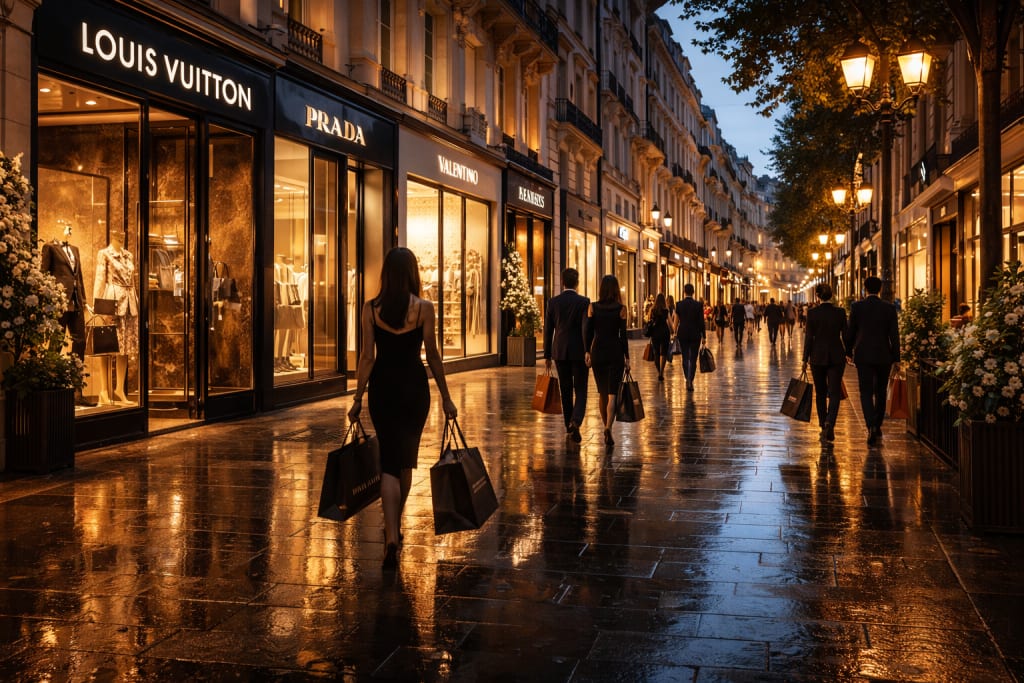
Close your eyes for a moment. Picture yourself gliding past glimmering display windows adorned with the season’s most coveted silk gowns, cashmere coats, and handcrafted leather jackets, the kind only a select few can effortlessly pull off. Now open your eyes: that isn’t just fashion fantasy. It’s rapidly becoming the blueprint of tomorrow’s global wardrobe.
In every major city from New York to Shanghai, luxury apparel isn’t merely clothing; it’s a symbol of status, cultural capital, and personal identity. But behind the glamour and runway cameras lies a powerful economic story few are talking about, one of resilience, expansion, and transformation.
Why Everyone’s Talking About the Luxury Apparel Market
Beyond Price Tags: A Market on the Rise
When we talk about “luxury fashion,” most people immediately imagine couture gowns and A-list red carpet moments. But the real story is in the numbers and the narrative they reveal. According to Mordor Intelligence, the global luxury apparel market was valued at about USD 138.64 billion in 2025 and is projected to grow significantly over the next decade. By 2031, this sector could be worth USD 179.71 billion, expanding at a 4.42% CAGR through 2031.
That’s not incremental growth, it’s a reinvention.
This expansion is underpinned by deeper, more nuanced consumer behaviors. Fashion is no longer a superficial indulgence for the elite alone. Middle-income consumers in emerging regions are entering the fold, seeking craftsmanship, sustainable production stories, and exclusivity with meaning. Meanwhile, affluent buyers in established markets continue to redefine luxury beyond heritage names, embracing experiences, personalization, and digital-first interactions.
From T-Shirts to Tech-Driven Couture
The luxury apparel market is much more layered than a simple “price premium.” In 2025, t-shirts and shirts, often overlooked as everyday staples, comprised over 44% of total market share, illustrating that even basics can carry luxury aspirations when crafted with premium materials and brand heritage.
But here’s where things get even more interesting:
- Athleisure, once dismissed by fashion purists, is now outpacing most categories, growing at an estimated 5.05% CAGR through 2031.
- Jackets, sweatshirts, and hoodies, styles born of comfort culture, are among the fastest-growing segments within luxury apparel, combining performance with prestige.
This shift points to a broader cultural reality: People want clothing that matches not only their aesthetic identity but also their lifestyle rhythms. Today’s luxury isn’t just evening wear, it’s what you choose for power meetings, travel days, and unfiltered social media moments.
Global Shifts: Where Luxury Is Growing Fastest
Contrary to outdated narratives that position Europe and North America as the sole powerhouses of luxury fashion, regional dynamics are evolving dramatically:
- North America still holds a strong share of the market, nearly 28% as of 2025, supported by robust domestic demand.
- Asia-Pacific is emerging as the fastest-growing regional force, posting an impressive 6.48% CAGR through 2031, fueled by rising disposable incomes and aspirational consumers in China, India, and Southeast Asia.
This Asia-Pacific surge is not just numbers; it’s cultural. Luxury brands are investing heavily in digital localization, virtual shopping experiences, and region-specific collections to cater to younger, digitally native buyers who value influence and identity as much as heritage.
The Human Side: Style, Self-Expression, and Social Currency
Behind the figures lie stories of individuals for whom luxury apparel represents achievement, self-expression, and legacy. In an era where social media storytelling drives social capital, what we wear communicates more than ever before.
Young professionals in Mumbai now scroll endless lifestyle feeds featuring runway highlights from Paris and Tokyo. In Shanghai, street-style influencers reinterpret haute couture with streetwear flair. In London, sustainable luxury garments with transparent supply chains and artisanal provenance are becoming the lingua franca of conscious consumers.
This isn’t just clothing: it’s digital and cultural currency, a way to broadcast identity in a hyperconnected world.
Tech, Sustainability, and the Future of Luxury Fashion
The future of luxury is no longer defined solely by the rarity of a textile or the prestige of an atelier. It is increasingly defined by integrity, intelligence, and impact. As we move deeper into this decade, the "New Luxury" is a high-tech, high-ethics ecosystem.
1. The Digital Ledger: Beyond the Authenticity Card
In an era of high-end "super-fakes," Blockchain has moved from the crypto-sphere to the showroom. It’s not just about proving a bag is real; it’s about its "Digital Twin."
- Traceability: Buyers can now scan an NFC tag to see the entire journey of a garment from the specific farm where the wool was shorn to the artisan who hand-stitched the lining.
- Secondary Market Security: As luxury resale booms, blockchain provides an immutable record of ownership, ensuring that value is preserved even through its third or fourth owner.
2. Immersive Commerce: The Virtual Atelier
The traditional brick-and-mortar flagship is evolving into a "Phygital" experience. Technology is bridging the gap between the tactile nature of luxury and the convenience of digital.
- AR Fitting Rooms: Augmented Reality has moved beyond filters. Precision-fit technology now allows clients to see how a bespoke suit drapes over their specific body measurements in real-time.
- Virtual Showrooms: Immersive, 3D digital environments allow global clients to experience a brand’s "DNA"—touring a digital version of a Parisian atelier or a futuristic runway from anywhere in the world.
3. The Circular Model: Sustainability as the New Status Symbol
Luxury once meant "new and untouched." Today, it means "enduring and responsible." The industry is shifting from a linear "take-make-waste" model to a Circular Economy.
- Regenerative Materials: Brands are moving beyond mere "recycled" plastic to lab-grown silks, grape-skin leathers, and carbon-negative fibers.
- Resale & Repair: Top-tier houses are launching their own pre-loved platforms and "Client for Life" repair services, signaling that a garment’s longevity is the ultimate proof of its quality.
The Great Divide: Heritage vs. Innovation
We are witnessing a fascinating split in the market:
- The Preservationists: Traditional houses leaning into "Quiet Luxury" and heritage craftsmanship, using tech subtly to enhance the human touch.
- The Disruptors: New-age labels that treat software as importantly as silk, building brands around radical transparency and digital-first identities.
What Comes Next?
The luxury apparel industry, once a rarefied playground for the ultra-wealthy, has evolved into a dynamic global force shaping culture, identity, and economic influence. With steady projected growth toward USD 179.71 billion by 2031, the sector reflects more than consumer spending; it mirrors shifting values.
Luxury today represents:
- Aspiration in emerging economies
- Personal branding in the social media era
- Ethical awareness in environmentally conscious markets
- Digital fluency among Gen Z and millennial buyers
As global wealth distribution evolves and digital connectivity accelerates, luxury apparel will likely become even more personalized, immersive, and ethically scrutinized.
The real transformation isn’t just financial, it’s philosophical.
Luxury used to mean rarity.
Now it increasingly means responsibility.
Soon, it may mean something even more profound: alignment between identity and impact.
So here’s the question that lingers beyond the runway lights:
As fashion and identity continue to intertwine in the digital age, what does luxury mean to you: exclusivity, self-expression, sustainability, technological innovation, or something entirely new?
The answer may define the next era of global fashion.
About the Creator
Keep reading
More stories from Harvey Specter and writers in Journal and other communities.
Inside the Rapid Rise of the Football
The roar begins as a vibration in your chest. Sixty thousand strangers rise at once, their voices merging into a single, trembling wave. Under the white blaze of floodlights, one ball rolls across immaculate green grass, and billions of dollars shift quietly behind the scenes.
By Harvey Spectera day ago in Journal
Modern Custom Software Development Strategies for Scaling Mid-Market Tech Companies
You know that point where your product is working, revenue is growing, but your tech stack feels like it’s held together with duct tape and late-night hotfixes? Users are increasing, features keep piling on, and every release feels riskier than the last. The codebase isn’t “bad,” but it definitely isn’t ready for the next 3x growth curve.
By Jessica Bennettabout 9 hours ago in Journal



Comments
There are no comments for this story
Be the first to respond and start the conversation.