
Why Luxury Brands Focus on Packaging
Focus on Packaging

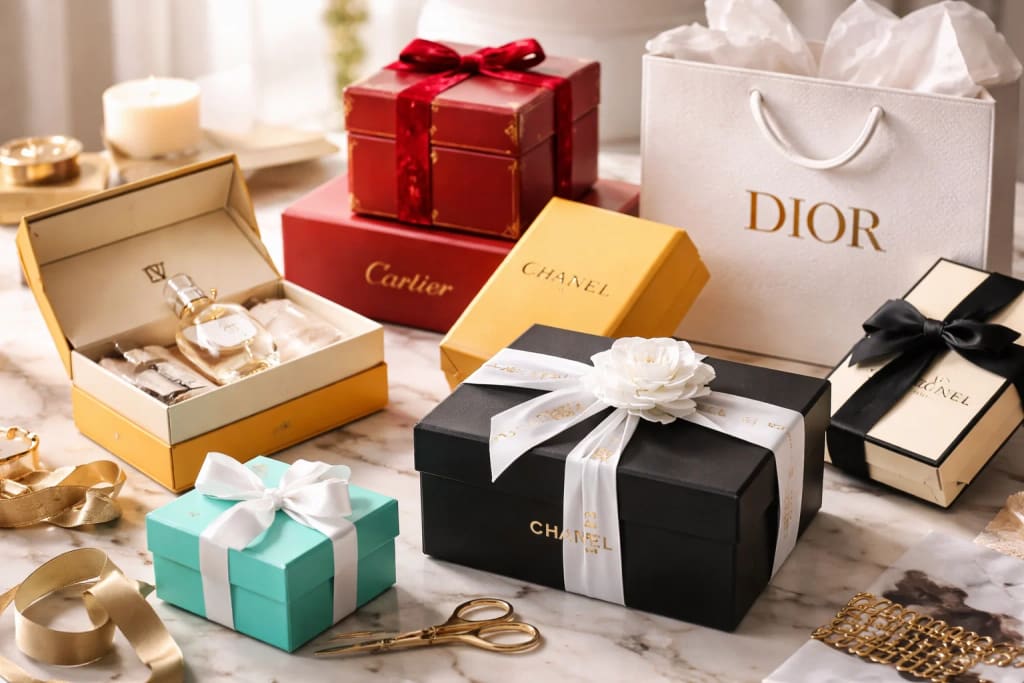
Luxury brands focus on packaging because it acts as a quality signal and a brand experience in one—shaping perceived value, trust, and emotional attachment before the product is even touched. Research consistently shows that packaging cues (materials, design, typography, overall presentation) can significantly influence perceived quality and purchase intention.
What Is Luxury Packaging?
Luxury packaging is premium product packaging designed to communicate exclusivity, craftsmanship, and brand identity using elevated materials, refined design systems, and high-end finishes (e.g., embossing, foil stamping, rigid construction, magnetic closures).
Think of it like the “lobby” of a five-star hotel: you haven’t even entered the room yet, but your expectations are already set.
Types and Categories of Luxury Packaging
Luxury packaging isn’t one single style. It varies by structure, industry, and channel:
1) By box style and structure
- Custom rigid boxes: thick, sturdy paperboard boxes that hold shape (often used for jewelry, watches, cosmetics, and premium gifts).
- Foldable cartons: lighter, lower-cost, more space-efficient; still “premium” with good finishes.
- Drawer boxes (slide boxes): adds ceremony and “reveal.”
- Magnetic closure boxes: popular for gifting and high-end sets.
2) By product category
- Beauty & fragrance: emphasizes sensory cues—texture, weight, and visual “purity.”
- Fashion & accessories: focuses on brand codes (color, logo placement, tissue paper rituals).
- Jewelry & watches: protection + heirloom feel (often includes inserts, velvet, microfibre).
- Gourmet foods: turns the product into a giftable experience.
3) By sales channel
- Retail: packaging competes on-shelf through visual recognition and premium cues.
- E-commerce: packaging must survive shipping and deliver an “unboxing moment.”
- Travel retail / gifting: often more elaborate, with emphasis on presentation and portability.
4) By region and culture
Sustainability expectations and packaging preferences differ across countries; what feels “premium” in one market may feel wasteful in another. Global consumer research shows packaging perceptions and priorities vary by country, requiring localized strategy.
Why These Differences Exist
Luxury packaging changes across types and regions for practical and psychological reasons:
Signaling and perceived quality
In luxury, buyers often can’t fully verify quality immediately—so brands lean on extrinsic cues (like packaging) as signals. Studies on extrinsic cues show packaging elements influence perceived quality and consumer judgment.
“Premiumization” is sensory
Weight, texture, smoothness, and the “slow reveal” all create a sense of care and craftsmanship. Even design choices like whitespace, typography, and visual texture can influence luxury and quality perception.
Channel requirements
E-commerce forces sturdier materials and protective engineering—luxury brands can’t risk dented corners and broken seals because damage feels like disrespect at premium price points.
Cultural norms and sustainability pressure
Luxury used to mean “more material, more layers.” Now, many buyers expect “less waste, still premium,” pushing brands toward recyclable materials and redesigned structures—without losing that high-end feel.
Additional Details That Explain the Obsession with Packaging
Packaging is part of the product (not just a container)
For luxury, packaging often functions like:
- a certificate of authenticity (visual and tactile credibility)
- a display case (kept on a dresser, shelf, vanity)
- a gift wrap substitute (ready to present instantly)
- a brand memory trigger (people remember “how it felt”)
Design elements that commonly drive “luxury perception”
Research on packaging and consumer responses points to design levers that influence intention and perception, including materials, design layout, and typography.
Common luxury cues include:
- heavier substrates (rigid board, thick paper)
- restrained color palettes (often monochrome or signature brand hues)
- minimal copy (confidence through simplicity)
- premium finishes (emboss/deboss, foil, soft-touch lamination)
- engineered unboxing (controlled sequence)
The social media effect (unboxing as marketing)
Luxury packaging is frequently designed to be “share-worthy,” turning customers into promoters during unboxing—especially for beauty, sneakers, and tech-style luxury experiences.
Comparisons to Make It Click
- Packaging is to luxury what plating is to fine dining. Same ingredients, different perception—presentation changes expectations.
- It’s also like a handshake. A cheap, flimsy handshake creates doubt; a confident one builds trust instantly.
- Or like a movie trailer. You’re emotionally primed before the “main experience” begins.
Why Packaging Matters to Brands (and Buyers)
Why is packaging important to a brand? (Information that matters)
Packaging directly affects:
- brand recognition: consistent colors, structure, and opening rituals become signatures
- pricing power: premium cues support premium pricing (and reduce “sticker shock”)
- customer loyalty: people remember the experience, not just the specs
- returns and damage costs: better protection reduces breakage and dissatisfaction
- sustainability reputation: over-packaging can harm trust; smart packaging can strengthen it
Luxury packaging isn’t “extra.” It’s part of how luxury brands protect their margins and their meaning.
FAQ: People Also Ask
1) Does luxury packaging really increase perceived value?
Yes. Multiple studies show packaging cues (design, materials, fonts, overall presentation) can raise perceived quality and influence buying intention.
2) What is the most common luxury packaging style?
Rigid boxes are a top choice—especially for gifting categories like jewelry, cosmetics, and premium sets—because the structure feels substantial and “keepsake-worthy.”
3) How do luxury brands balance sustainability with premium packaging?
They reduce unnecessary layers, switch to recyclable or responsibly sourced materials, and rely on smart structure + refined finishes rather than “more stuff.” Consumer expectations on packaging sustainability vary by region, so brands often localize solutions.
4) Why do luxury brands use minimal designs instead of flashy ones?
Minimal design reads as confidence. It’s the “quiet luxury” effect: fewer words, more whitespace, and intentional materials can signal exclusivity and quality.
5) What matters most: the box design or the material?
For luxury, it’s the combination. A premium material with weak structure feels disappointing, while a strong structure with cheap finishes feels “pretend premium.” The best luxury packaging aligns structure, material, and opening experience.
About the Creator
What Are the Different Types of Abaya Styles?
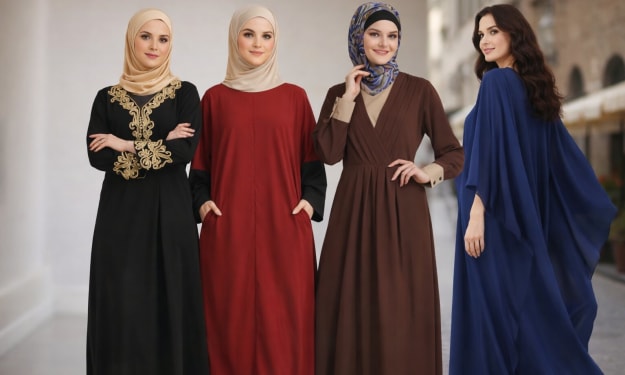
The abaya is more than just a piece of clothing. For many women, it is comfort, identity, and quiet confidence stitched into fabric. Over the years, abaya styles have changed beautifully. They are still modest and graceful, but now they also reflect personal taste, lifestyle, and even mood.
By Shahnaz Khanabout 18 hours ago in Journal
Part 2 Interview With Joe Patterson, Author Of Melanin Memoirs
This is my second interview with Joe Patterson. His 4th anniversary writing on Vocal will be in March 2026. He has one achievement on Vocal, The Other Foot. He has over 17,000 reads on Vocal since he started on Vocal in 2022. Joe Patterson is very creative poet and rapper. Joe is deep thinker and I feel it is reflected in his latest published book, Melanin Memoirs.
By Mariann Carroll5 days ago in Interview


Comments
There are no comments for this story
Be the first to respond and start the conversation.