
Why Pam Bondi Allegedly Under Attack
Key Takeaways from the Fiery Epstein Files Hearing

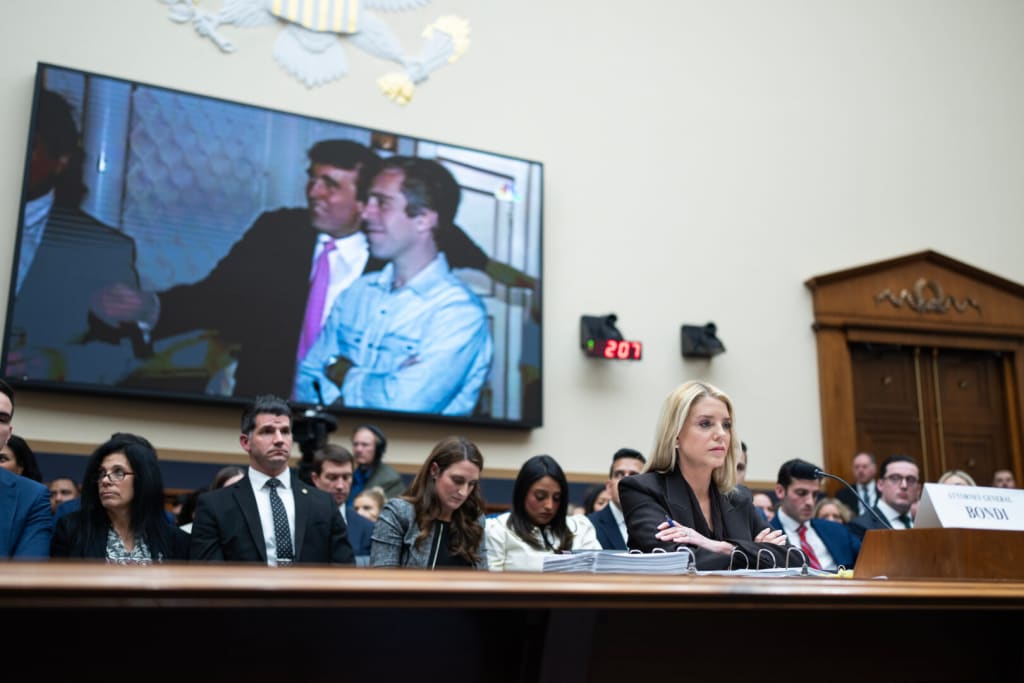
Attorney General Pam Bondi found herself in the hot seat this week, facing intense scrutiny from the House Judiciary Committee during a contentious hearing on the Justice Department's handling of the Jeffrey Epstein files. The session, held on Wednesday, February 11, 2026, quickly devolved into a fiery exchange, with Bondi clashing repeatedly with Democratic representatives over the transparency and thoroughness of the department's actions. This blog post delves into the key takeaways from the hearing, the accusations leveled against Bondi, and the ongoing demand for accountability in the wake of the Epstein scandal.
The Core of the Controversy: Redactions and Transparency
The central point of contention revolved around the Justice Department's initial redactions in the Epstein files and the subsequent unredaction of several prominent names. Lawmakers, particularly Representatives Jasmine Crockett and Ted Lieu, pressed Bondi on why certain names were initially shielded from public view and what role, if any, political influence played in those decisions. Critics argue that the redactions hindered the pursuit of justice and fostered a perception of a two-tiered legal system. Bondi, in turn, defended the department's actions, citing legal protocols and ongoing investigations, but her explanations often failed to satisfy her interrogators.
Fiery Exchanges and Accusations
The hearing was marked by several heated moments, with accusations flying from both sides. Representative Crockett famously labeled Bondi a "loser lawyer" during one particularly tense exchange, highlighting the deep partisan divide and the emotional weight of the Epstein case. Lawmakers questioned Bondi's leadership of the Justice Department and her commitment to full transparency, especially given the gravity of Epstein's crimes and the widespread impact on his victims. Bondi, for her part, maintained that the department was committed to upholding justice and that the process of releasing the files was complex and legally intricate.
The Epstein Files: A Lingering Shadow
Jeffrey Epstein's criminal enterprise and his network of powerful associates continue to cast a long shadow over the American legal and political landscape. The ongoing release of documents and testimonies serves as a painful reminder of the systemic failures that allowed his crimes to persist for so long. The hearing with Attorney General Bondi underscored the public's unwavering demand for answers and accountability, not just for Epstein himself, but for all those who enabled or benefited from his illicit activities. The focus remains on ensuring that justice is served and that such egregious abuses of power are prevented in the future.
Implications for the Justice Department
Bondi's testimony and the overall tone of the hearing have significant implications for the Justice Department. The perception of political interference or a lack of transparency can erode public trust in legal institutions. The committee's oversight function is crucial in holding government agencies accountable, and the intensity of this hearing signals a continued commitment to scrutinizing the department's actions. As more information from the Epstein files comes to light, the pressure on the Justice Department to demonstrate its impartiality and dedication to justice will only intensify.
Call to Action
Stay informed about the ongoing developments in the Jeffrey Epstein case and the implications of the unredacted files. What are your thoughts on Attorney General Pam Bondi's testimony and the handling of this sensitive case? Share your perspective in the comments below.
The key takeaways from the fiery House Judiciary Committee hearing with Attorney General Pam Bondi revolve around widespread bipartisan criticism of the Justice Department's handling of the Jeffrey Epstein files, particularly concerning redaction failures and a lack of further prosecutions.
Redaction Controversies
Victim Information Exposed: Lawmakers from both parties, and the survivors themselves who were present at the hearing, slammed the Justice Department for a "massive failure" to properly redact sensitive and personal information (including nude images) of Epstein's victims as required by law.
Protection of Powerful Men: Conversely, the DOJ was accused of improperly redacting the names of certain prominent, uncharged men mentioned in the files, such as billionaire Les Wexner, until challenged by Congress.
Refusal to Apologize to Survivors: When asked by Rep. Pramila Jayapal to turn around and apologize directly to the victims seated behind her for the redaction failures, Bondi declined and dismissed the request as "theatrics," which drew significant criticism from survivors and lawmakers.
Lack of Further Investigations
No New Indictments: Democrats heavily criticized Bondi because no one other than Ghislaine Maxwell has been indicted in connection with the sex trafficking ring, despite thousands of victims and evidence in the files.
"Pending Investigations" Claim: Bondi stated there were "pending investigations" when asked about additional individuals, but this appeared to contradict previous statements by her deputy, Todd Blanche, that the review was over and there was no evidence to warrant further prosecutions.
Bondi Sidesteps Questions: Throughout the hearing, Bondi repeatedly sidestepped specific questions about potential investigations into individuals with ties to Epstein and President Trump, often pivoting to attack the questioners or praise the Trump administration's economic record.
Combative Testimony and Political Attacks
Personal Insults: The hearing was marked by a series of shouting matches and personal insults, with Bondi calling one Democrat a "washed-up, loser lawyer" and another a "failed politician".
Tracking Lawmaker Searches: A significant new revelation was the accusation by Rep. Nancy Mace and Rep. Jayapal that the DOJ was tracking which unredacted documents lawmakers were viewing on secure systems, leading to accusations of "spying".
Defense of Trump: Bondi frequently defended President Trump, accusing Democrats of having "Trump-derangement syndrome" and of trying to distract from the administration's "great things".
About the Creator
Omasanjuwa Ogharandukun
I'm a passionate writer & blogger crafting inspiring stories from everyday life. Through vivid words and thoughtful insights, I spark conversations and ignite change—one post at a time.
Keep reading
More stories from Omasanjuwa Ogharandukun and writers in Journal and other communities.
Pam Bondi Under Fire: Key Takeaways from the Fiery Epstein Files Hearing
Attorney General Pam Bondi found herself in the hot seat this week, facing intense scrutiny from the House Judiciary Committee during a contentious hearing on the Justice Department's handling of the Jeffrey Epstein files. The session, held on Wednesday, February 11, 2026, quickly devolved into a fiery exchange, with Bondi clashing repeatedly with Democratic representatives over the transparency and thoroughness of the department's actions. This blog post delves into the key takeaways from the hearing, the accusations leveled against Bondi, and the ongoing demand for accountability in the wake of the Epstein scandal.
By Omasanjuwa Ogharandukunabout 14 hours ago in Journal
Top 10 Trending Gift Ideas for Valentine’s Day
Valentine’s is almost here, and I’ve noticed something every year around this time. People are not really looking for dramatic, over-the-top gifts. They’re looking for something personal. Something that feels like it belongs in real life, not just on social media.
By Marie Colvin5 days ago in Journal
What Happens To Your Brain When You Stop Multitasking
Digital technology is the culprit that is causing us to doom scroll when tired, disengaged and unmotivated with the content that motivated you to log onto your device to consume in the first place. That is only the beginning. In the modern workplace (and even when filing cabinets were around, I confirmed this with my adopted parents to get my facts right); reading files while you are supposed to be present to the caller on the other end of the phone line is another classic example of multitasking that causes your brain (although adaptable and intelligent) to lose focus and concentration.
By Justine Crowley4 days ago in Psyche


Comments
There are no comments for this story
Be the first to respond and start the conversation.