
Wireless EV Charging Market: The Road Without Cables
How untethered power is redefining convenience, efficiency, and future electric mobility
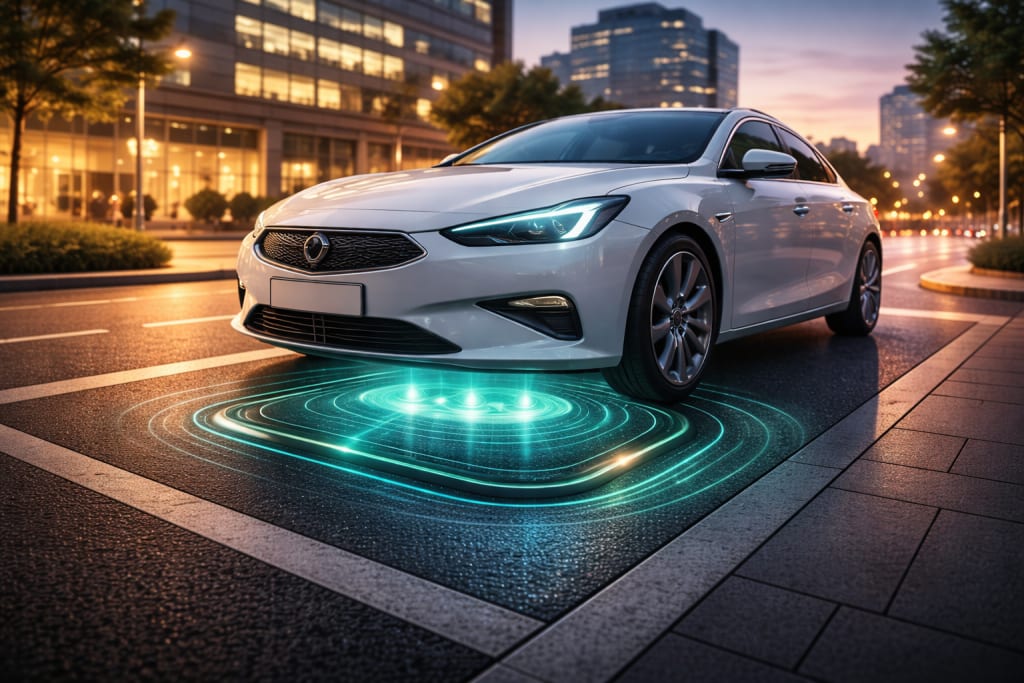
You pull into a parking space at the airport. Instead of reaching for a cable, the car glides into position and begins charging with no physical connection. No cables to plug in. No fumbling after a long day. Just a silent flow of energy beneath your wheels.
This is the promise of wireless electric vehicle charging. It is more than convenience. It is a signal that charging infrastructure is becoming invisible, intuitive, and seamlessly integrated into everyday life. Behind this promise lies the Wireless Electric Vehicle Charging Market, where innovation is untangling chargers from cords and placing them into roadways, driveways, and parking lots.
Why Wireless Charging Matters
Electric vehicle adoption continues to grow, but charging hurdles remain a concern for many drivers. Traditional plug in charging requires effort, time, and attention to ports and connectors. Wireless charging aims to solve these concerns by allowing drivers to recharge by simply parking over an induction pad.
Wireless electric vehicle charging systems use electromagnetic fields to transfer energy from a charging pad to a receiver in the vehicle. This reduces wear on connectors, simplifies user experience, and supports automated mobility where vehicles can be charged without human intervention.
According to Mordor Intelligence, the Wireless Electric Vehicle Charging Market size was valued at approximately USD 122.3 million in 2026 and is estimated to grow to around USD 789.26 million by 2031, advancing at a compound annual growth rate of 45.20 percent during the forecast period. This data point highlights strong interest and investment in untethered charging solutions as electric vehicles become more prevalent.
Inside the Wireless Electric Vehicle Charging Market
The Wireless Electric Vehicle Charging industry spans multiple technologies and use cases. It includes stationary wireless charging pads embedded in parking spaces, dynamic wireless charging systems that transfer power to vehicles while moving over special road segments, and mobile wireless solutions for on the go charging.
Stationary systems are currently the most deployed because they align with everyday parking patterns and are easier to install. Dynamic systems, while technologically advanced, require infrastructure upgrades in roads and urban planning.
The Wireless Electric Vehicle Charging market share reflects these different deployment types. Early adopters include commercial parking facilities, ride sharing fleets, and test corridors in smart cities where technology integration is supported by policy frameworks.
As automakers and infrastructure providers collaborate, compatibility standards are emerging to ensure interoperability between vehicles and charging systems.
Market Trends Driving Adoption
Several Wireless Electric Vehicle Charging Market trends are reshaping EV infrastructure:
• Standardization of charging protocols to enable cross brand interoperability
• Integration with smart grid systems to optimize energy flow and cost
• Dynamic wireless lanes in pilot cities that charge vehicles in motion
• Fleet electrification focus where automated charging reduces downtime for commercial vehicles
These trends highlight how the market is moving beyond niche implementations to strategic adoption in public and private charge points. As cities adopt smart infrastructure plans, wireless charging becomes more attractive alongside traditional plug in options.
The market is also influenced by consumer behavior. Drivers increasingly seek effortless mobility solutions. Wireless charging offers a frictionless experience, reducing one of the psychological barriers to EV adoption.
Challenges on the Road Ahead
Despite strong growth potential, wireless charging is not without challenges. Initial installation costs for embedded pads and road segments are high compared to standard charging stations. Efficiency losses from induction transfer require optimization to approach the performance of direct plug in systems.
Safety and regulatory harmonization is also evolving. Electromagnetic field exposure standards must be carefully managed to protect users and surrounding systems.
Finally, vehicle manufacturers must integrate receivers into vehicle platforms in ways that do not compromise aerodynamics or battery integrity.
Addressing these challenges requires cross industry collaboration between infrastructure developers, automakers, energy providers, and regulatory bodies.
Wireless Electric Vehicle Charging Market Forecast
The Wireless Electric Vehicle Charging Market forecast points toward continued expansion as electric vehicle adoption accelerates and charging convenience becomes a priority. As public infrastructure, residential developments, and workplace parking areas add induction pads, wireless charging will become more visible in everyday life.
Fleets, especially autonomous and shared mobility services, may lead adoption because wireless solutions reduce driver dependency and improve uptime. Over time, wireless charging could empower automated drive systems that recharge themselves while parked or even while on the move.
The future of electric mobility is likely to be a mix of plug in and wireless systems, each optimized for specific use cases and user preferences.
About the Creator
Keep reading
More stories from james robert and writers in Journal and other communities.
Silent Happy Hours: The $2.1 Trillion Question
The first time you realized alcohol was more than “just a drink” probably didn’t happen in a boardroom. It was in the quiet click of a bottle cap after a long day, the nervous clink of glasses at a first date, or the way a wedding dance floor transformed right after the bar opened.
By james robertabout a month ago in Journal


Comments
There are no comments for this story
Be the first to respond and start the conversation.