
2026 Scam Trends Consumers Should Know
Scam trends predict that, in 2026, it will be harder to spot red flags. However, knowing the most common types of fraud can help you avoid becoming a victim.

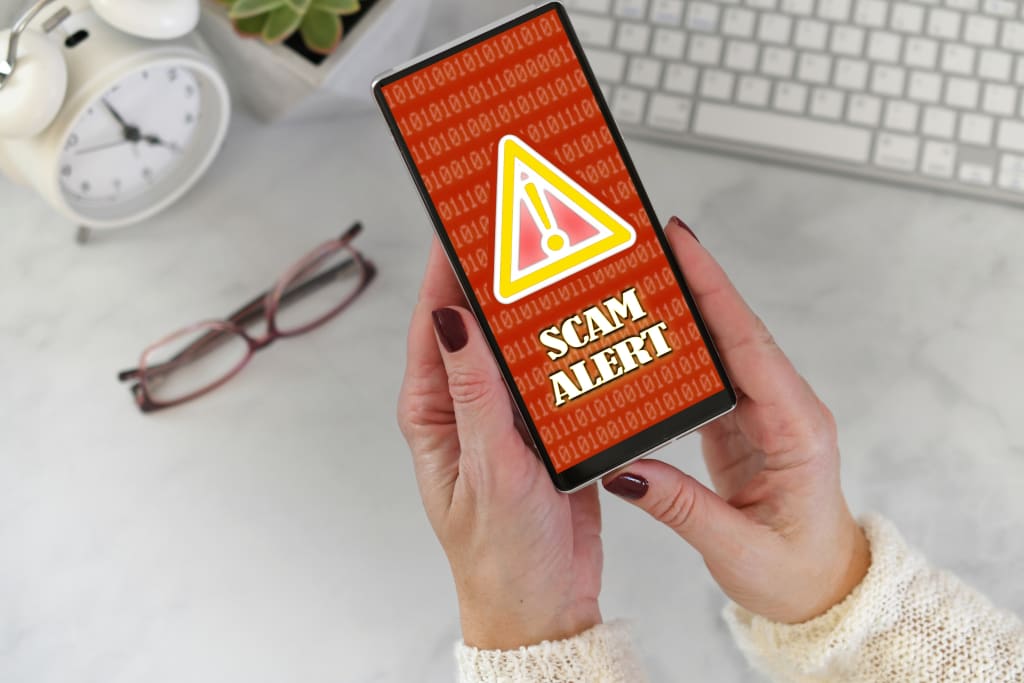
Consumer fraud has been increasing each year, and in 2026, it is expected to be more sophisticated and harder to spot. However, if you know the most common types of fraud and can recognize their warning signs, it can help you avoid falling victim. Below are the top five consumer scams to watch out for in 2026.
AI and Deepfake Scams
With ongoing advances in technology, scam predictions indicate that AI and deepfake fraud will become increasingly common and harder to detect in 2026.
The technologies allow scammers to generate audio and videos that impersonate trusted individuals, such as family members, company representatives, or colleagues. They then go on to use these audios and videos to manipulate victims to provide their personal information, or request urgent money transfers, or financial assistance.
E-commerce Scams
According to PissedConsumer’s scam trends predictions, many online marketplaces and social media platforms lack or have weak seller verification. Scammers exploit this weakness to pose as legitimate sellers and set up online shops. Victims only realize that it is a scam when they receive poor-quality items or counterfeits.
Common warning signs for e-commerce scams include prices that are too good to be true, vague product descriptions, and generic reviews.
Account Takeovers Cybersecurity Threats
Deepfake technology allows scammers to get through traditional authentication systems. They use the audio and videos generated using deepfake technology to create synthetic identities and bypass verification checks. In some cases, they use it to conduct enhanced phishing attacks.
Once they have access to your accounts and personal information, they may use it for impersonation scams or social media takeovers. In many cases, they change passwords and recovery details, locking out the owner. They may also pose as the account holder and request money from friends and followers.
Subscription and Membership Scams
Subscription and membership business models allow companies and entrepreneurs to provide their customers with ongoing value while charging recurring fees. However, for scammers, this model is an opportunity for repeated fraud.
They are also cognizant of many customers’ behaviors, whereby once they are subscribed, many customers continue to pay the recurring charges even when they are not actively using the service. Therefore, they use attractive offers such as free trials or discounts to get customers into their subscription plans.
Often, customers realize that a subscription or membership is fraudulent much later when they attempt to cancel. There may be no cancellation options provided, or customers are charged steep cancellation fees.
Online Gambling and Sweepstakes
The online gambling market has been experiencing significant growth worldwide. According to one market research report, it's expected to reach $153.21 billion by 2029. As more people join mobile casino apps and virtual gaming services, fraud and scam trends suggest that scammers are keen to leverage the growing popularity, too.
Usually, fraudulent online gambling and sweepstakes sites promise a quick and generous cashout. They use free credits, welcome bonuses, and guaranteed winnings to encourage customers to keep putting money in the platforms.
However, when it’s time to cash out, customers experience delays or the cashout is denied. In other cases, withdrawal thresholds are set too high or are impossible to meet. Or, you may be required to pay a given amount to access your cashout.
Each year, customers lose billions of dollars to fraud. Therefore, it is essential that you are aware of the most common types of consumer fraud in 2026 and keep up with scam alerts to help you avoid financial loss and make smarter purchase decisions.
About the Creator
Joanna Clark Simpson
Joanna is the Head of Marketing at PissedConsumer.com, a review platform and consumer advocacy website. She specializes in marketing and customer service and provides tips on current trends and consumer news.
Keep reading
More stories from Joanna Clark Simpson and writers in Lifehack and other communities.
The Rise of the Amazon Mystery Box Scams and How to Protect Yourself
The Amazon mystery box scam sounds exciting at first. A seller claims to have bundled together random items that were returned to Amazon into a collection that is sold to someone willing to take a gamble on what’s inside. Since it’s a random bundle, you never really know what you’re going to get, leaving many to wonder: Are Amazon mystery boxes legit?
By Joanna Clark Simpson2 months ago in Lifehack
Why an Ergonomic Foot Rest Is One of the Most Underrated Remote Work Tools
Remote work has made many people rethink how they set up their workspaces. While most attention goes to desks, chairs, and monitors, one essential item is often overlooked: an ergonomic foot rest. It may seem like a minor accessory, but for anyone spending long hours seated at a desk, a foot rest can play a surprisingly important role in comfort, posture, and overall well-being.
By Bahati Mulishi6 days ago in Lifehack
A City of Transitions
Killeen, Texas, is a place where movement feels natural. People arrive with anticipation, settle into routines, and eventually prepare to leave, often sooner than expected. This pattern is not a flaw of the city. It is part of its identity. Anchored by Fort Cavazos, Killeen exists in a constant state of transition, shaped by lives that intersect briefly before continuing elsewhere.
By House Doctor3 days ago in Lifehack
Diaries to Nietzsche
Quotation from Friedrich Nietzsche "He who wrestles long with monsters should beware lest he himself become a monster. And if you gaze long into an abyss, the abyss also gazes into you. Man is not destroyed by suffering, but by the meaning he makes of it."
By LUCCIAN LAYTHa day ago in Critique


Comments
There are no comments for this story
Be the first to respond and start the conversation.