
Balancing Tree Growth and Property Protection with an Arborist
How Certified Arborists Solve Complex Tree Root Issues to Safeguard Property
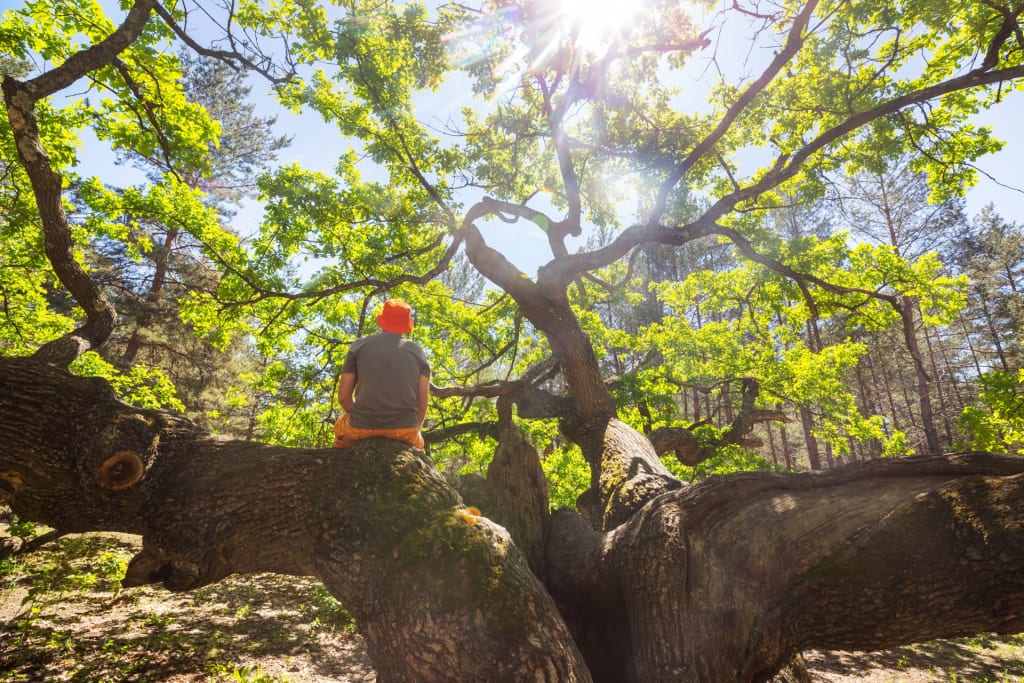
Tree roots are both vital and potentially troublesome for property owners. While they provide stability and nourishment for trees, their unchecked expansion can lead to extensive damage to sidewalks, driveways, building foundations, and underground utilities. Managing these challenges requires professional expertise to ensure the safety of properties while nurturing tree health. Certified arborists bring specialized knowledge and offer custom solutions to mitigate risks effectively while preserving the environment. Learning how an arborist in Asheville handles these intricate root-related challenges highlights the significance of their work and the methods employed.
Recognizing Tree Root Problems
Tree roots naturally grow outward to find water, nutrients, and support. When encountering obstacles like underground pipes or building structures, they may cause damage by exerting significant pressure. One example involved a property where the roots of an aging oak tree caused major cracks in a concrete driveway, demonstrating how neglected root systems can impact surrounding infrastructure.
Certified arborists are trained to identify and resolve root-related challenges using tailored techniques. Their expertise enables them to provide solutions that protect property without compromising tree health. Key issues they address include:
- Foundation cracks from intrusive root pressure.
- Raised and uneven sidewalks caused by expanding roots.
- Clogged plumbing and sewer systems due to invasive root growth.
Proactive Strategies to Prevent Tree Root Damage
Avoiding damage starts with careful planning and preventive measures. Certified arborists focus on thoughtful tree placement and thorough site evaluation to avoid conflicts down the road. Choosing the right species for specific locations helps reduce potential risks. Additionally, they apply innovative methods to direct root growth away from sensitive areas.
Some effective strategies include:
- Installing durable root barriers to deflect growth from structures.
- Recommending tree varieties with non-invasive root systems.
- Ensuring optimal irrigation to discourage roots from seeking water near foundations.
These measures significantly lower the risk of costly property damage and promote healthy tree development.
Comprehensive Tree Root Evaluation Services by Asheville Arborists
Certified arborists provide detailed root evaluations to uncover potential risks and damage. Using advanced diagnostic tools, they inspect root systems while minimizing harm to the tree. For instance, technologies like ground-penetrating radar and air excavation allow arborists to assess root spread and depth with precision.
These evaluations often include:
- Pinpointing invasive roots causing structural threats.
- Mapping underground root systems to predict future risks.
- Offering actionable recommendations to mitigate potential problems.
Routine evaluations are essential for catching issues early and ensuring trees and structures remain stable.
Best Practices for Safe Tree Root Pruning
Root pruning is a meticulous process that demands expertise to avoid harming the tree or property. Improper cutting can destabilize the tree or introduce diseases. Certified arborists adhere to strict standards to safely prune roots while supporting the tree’s longevity.
Critical practices include:
- Trimming a minimal portion of roots to maintain structural integrity.
- Using sanitized tools to reduce the risk of infections.
- Monitoring the tree’s recovery following pruning to ensure sustained health.
When executed properly, root pruning prevents damage without jeopardizing tree stability, creating a safer and healthier environment.
Addressing Existing Damage from Tree Roots
For properties already affected by root damage, certified arborists offer practical solutions to resolve the issues. From fixing cracked pavement to managing interference with utility lines, they provide durable resolutions. For example, replacing traditional concrete paths with flexible materials can help accommodate natural root growth without recurring damage.
Effective mitigation techniques include:
- Transplanting invasive trees to more suitable locations.
- Repairing damaged hardscapes with adaptable, root-friendly designs.
- Collaborating with utility providers to safely manage root conflicts.
By addressing current damage and preventing future incidents, arborists ensure both the property and the trees can coexist harmoniously.
Selecting the Best Asheville Arborist for Tree Root Services
Finding the right arborist is vital for successful root management. Certified professionals bring a wealth of experience and qualifications to address complex challenges while prioritizing the health of trees. A homeowner once shared their satisfaction after working with a local arborist who resolved foundation issues caused by roots, saving both their home and a cherished 100-year-old tree.
When choosing an arborist, consider the following tips:
- Verify their credentials, such as International Society of Arboriculture (ISA) certification.
- Request references or testimonials from past clients.
- Ensure they offer tailored recommendations for root-specific concerns.
Partnering with a skilled arborist delivers confidence and expert care for your trees and property.
Key Points About Managing Tree Root Issues
Managing tree root problems requires advanced expertise and thoughtful strategies. Certified arborists provide the knowledge and tools necessary to address these challenges effectively. Important highlights include:
- Strategic planning minimizes root-related property damage.
- Regular inspections detect potential issues early and maintain tree health.
- Safe root pruning techniques prevent harm to both trees and structures.
- Engaging a certified arborist ensures professional and customized solutions.
With these practices, property owners can protect their landscapes while enjoying healthy and thriving trees.
Frequently Asked Questions
1. How do certified arborists detect root issues?
Arborists utilize tools like ground-penetrating radar and air excavation to analyze root systems thoroughly without damaging the trees. These technologies help identify potential risks and growth patterns.
2. Can tree roots be removed entirely without affecting the tree?
Removing all roots is not feasible, as it can destabilize or kill the tree. Certified arborists carefully prune selective roots to control growth while maintaining overall tree health.
3. What factors influence the cost of root management services?
The cost depends on the scope of the issue and required services. Typical root assessments and pruning range between $300 and $800, varying with the complexity of the work.
4. Are some tree species more likely to cause root problems?
Yes, species like willows, poplars, and silver maples are notorious for aggressive roots. Arborists can suggest alternatives with less invasive root systems.
5. How often should root evaluations be conducted?
Annual inspections are recommended, particularly for older trees or those near structures. Regular evaluations help identify and resolve problems early while maintaining tree vitality.
Certified arborists play a crucial role in safeguarding properties and supporting tree health. By addressing root challenges with skill and care, they ensure the coexistence of trees and urban environments for years to come.
About the Creator
Keep reading
More stories from Piper Burch and writers in Lifehack and other communities.
How a Roofing Company can Protect Homes During the Louisiana Hurricane Season
Hurricane season creates overwhelming risks for homes, particularly those with roofs that have unnoticed flaws. Safeguarding a home against fierce winds and driving rain takes more than simple precautions. Skilled roofing specialists play an indispensable role in making sure roofs can endure the punishing effects of a storm. Their expertise in evaluations, repairs, and upgrades provides homeowners with dependable protection and long-lasting confidence.
By Piper Burchabout a year ago in Lifehack
Movers in Minneapolis: What to Know Before Relocating to the Twin Cities
Minneapolis is a city that consistently attracts new residents thanks to its high quality of life, strong job market, and thoughtful urban design. Known as one half of the Twin Cities, Minneapolis blends modern infrastructure with abundant green spaces, creating a lifestyle that feels both active and grounded. For people planning a move—whether from another state or from within Minnesota—understanding how moving works in Minneapolis can make the transition far smoother.
By House Doctor2 days ago in Lifehack
“A Father’s Love, Written in Silence”
My father was not a man of many words. In our house, silence often spoke louder than conversation, and most of that silence belonged to him. While other fathers laughed loudly, told stories, or offered advice in long speeches, mine expressed himself through actions so quiet that, for years, I failed to notice them.My father was not a man of many words. In our house, silence often spoke louder than conversation, and most of that silence belonged to him. While
By NAIB REHMAN6 days ago in Lifehack
The Angry Man in Your House
"If you grow up with an angry man in your house, there will always be an angry man in your house" This statement has caused plenty of controversy online, people say its a statement that blames victims while also undermining those who break traumatic cycles to form health relationships... but if I'm honest now that I'm in my 30s it makes more sense to me than ever, and I'd argue that its not just about fathers and uncles.
By S. A. Crawfordabout 11 hours ago in Humans



Comments
There are no comments for this story
Be the first to respond and start the conversation.