
Building a New Life After Moving to Harrisburg
Reflections on adaptation, resilience, and the evolving meaning of stability

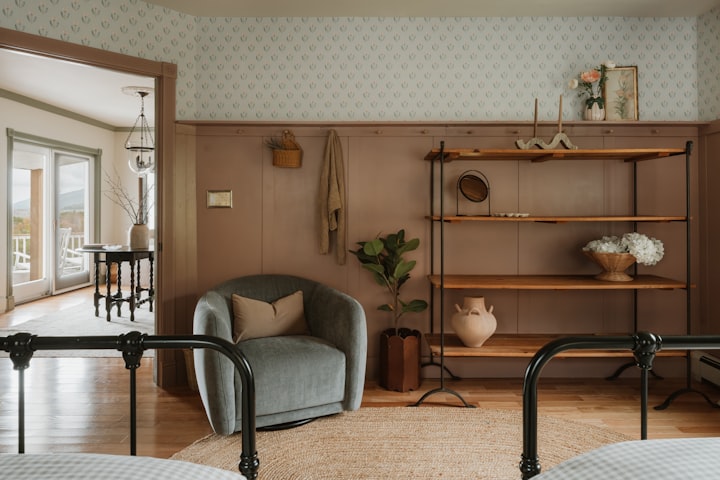
When I decided to move to Harrisburg, Pennsylvania, I expected the experience to be mostly practical. I imagined a process defined by logistics, schedules, and organization. I prepared for physical effort, planning, and adjustment to a new environment. What I did not anticipate was how deeply the experience would reshape my understanding of stability, identity, and the meaning of home.
Relocation, I discovered, is not simply about changing where you live. It is about changing how you live.
The decision to move came during a moment when I felt the need for transition. My previous environment had become predictable, almost static. I wanted a new perspective, but I did not fully understand the emotional consequences of seeking change. Harrisburg seemed to offer a different rhythm of life, one defined by reflection rather than urgency.
Before the move, I focused on preparation. I organized my belongings, created lists, and tried to control every detail. Yet as packing began, I realized that the process was not purely logistical. It became an experience of self-examination.
Every object I touched seemed connected to a memory. Items I had ignored for years suddenly felt significant. Books carried reminders of past interests. Furniture reflected different stages of my life. Even ordinary objects revealed patterns of routine and habit.
Packing was not simply organizing possessions. It was confronting my own history.
As my previous home slowly emptied, the space began to feel unfamiliar. The environment that once provided comfort transformed into something temporary. Without decoration or personal objects, the house revealed its basic structure. The emotional warmth I had associated with the space seemed to fade.
This transformation taught me something important. A home is not defined by its walls or architecture. It is defined by presence, routine, and emotional investment.
Leaving that environment required letting go of more than a physical space. It required releasing a version of myself connected to that place. The experience carried a quiet sense of loss, even though the decision to move had been voluntary.
Arrival in Harrisburg introduced a different form of uncertainty. The new home was unfamiliar in subtle ways. The light entered rooms differently. The sounds of the neighborhood followed unfamiliar rhythms. Even simple activities required adjustment.
The first nights felt especially strange. Without established routines, time seemed to move differently. The environment had not yet absorbed my presence, and I had not yet adapted to it.
This initial discomfort revealed how deeply routine shapes our sense of stability.
Gradually, however, the unfamiliar environment began to change. As I unpacked my belongings, the space started to reflect my identity. Each object placed within the home restored a sense of continuity. The house slowly transformed from an empty structure into a lived environment.
I began to notice how Harrisburg itself supported this process. The city’s pace encourages observation. Its neighborhoods feel grounded in continuity, and its atmosphere allows residents to adapt without pressure. There is a quiet steadiness in the environment that makes transition feel natural.
Walking through residential streets, I sensed a balance between preservation and change. Historic homes stand alongside modern developments, reflecting an ongoing dialogue between past and present. This balance mirrored my own experience of relocation.
I was not abandoning my past. I was integrating it into a new context.
Moving also forced me to reconsider what truly creates comfort. I had previously believed that stability depended on familiar surroundings. Through relocation, I discovered that stability emerges from habits and attention rather than location.
Simple routines gradually restored my sense of belonging. Preparing meals, arranging furniture, opening windows in the morning, and establishing daily patterns transformed the unfamiliar space into a home.
This transformation occurred slowly but meaningfully.
The experience also revealed my capacity for adaptation. At first, the disruption of routine felt overwhelming. Over time, however, I adjusted. I learned to navigate new surroundings and develop new patterns.
I realized that resilience is not dramatic. It is quiet and gradual. It appears in small acts of adjustment repeated over time.
Living in Harrisburg reinforced this understanding. The city itself embodies resilience through continuity. Its identity remains stable even as it evolves. This environment provided a framework for my own process of renewal.
Relocation also encouraged me to evaluate my relationship with material possessions. Many items I once considered essential no longer seemed important in my new environment. Others gained unexpected significance.
This reevaluation simplified my understanding of what truly matters. I began to focus less on accumulation and more on experience. The process revealed that comfort arises not from the quantity of possessions but from their meaning.
As weeks passed, my new home developed its own character. The space reflected my routines and priorities. Light patterns became familiar. Sounds became recognizable. What once felt temporary became stable.
Through this process, I began to understand that permanence is not defined by remaining in one place. It is defined by the ability to create continuity through change.
Moving to Harrisburg ultimately transformed my understanding of home. Home is not a fixed location but an evolving experience shaped by intention and presence. It exists wherever we invest our attention and care.
The experience also changed my perception of change itself. I once viewed change as disruption. Now I see it as an opportunity for renewal. Relocation provides a chance to reconsider habits, priorities, and identity.
It allows us to rebuild our environment with greater awareness.
Looking back, the move was not simply a transition between addresses. It was a process of personal growth. It taught me that stability does not come from resisting change but from adapting to it.
Moving to Harrisburg showed me that belonging is created through daily experience, that resilience emerges through adjustment, and that home is something we build again and again throughout our lives.
And in learning to rebuild my sense of stability in a new place, I discovered a deeper understanding of what it truly means to feel at home.
About the Creator
House Doctor
House Doctor is a modern home improvement magazine dedicated to helping people create healthier, more beautiful, and more functional living spaces.
Keep reading
More stories from House Doctor and writers in Lifehack and other communities.
What Moving in Harrisburg Taught Me About Letting Go and Starting Again
When I first began planning my move to Harrisburg, Pennsylvania, I believed the experience would be straightforward. I imagined a process defined by logistics, schedules, and organization. My focus was on practical concerns such as packing, transportation, and adjusting to a new address. What I did not expect was how deeply the experience would reshape my understanding of space, routine, and emotional attachment.
By House Doctorabout 18 hours ago in Lifehack
FDA Says Novo Nordisk’s TV Ad for Obesity Pill Contains ‘False or Misleading’ Claims
The U.S. Food and Drug Administration (FDA) has issued a warning regarding a television advertisement by Novo Nordisk, the pharmaceutical giant behind the widely discussed obesity drug Wegovy. According to the agency, the ad contains claims that are “false or misleading,” potentially overstating the benefits of the medication and underplaying risks to consumers.
By Ayesha Lashari7 days ago in Lifehack




Comments
There are no comments for this story
Be the first to respond and start the conversation.