
How Do You Plan a Successful Custom Home Remodel?
Learn how to plan a successful custom home remodeling project with expert tips on budgeting, contractor selection, and material choices for a seamless renovation.

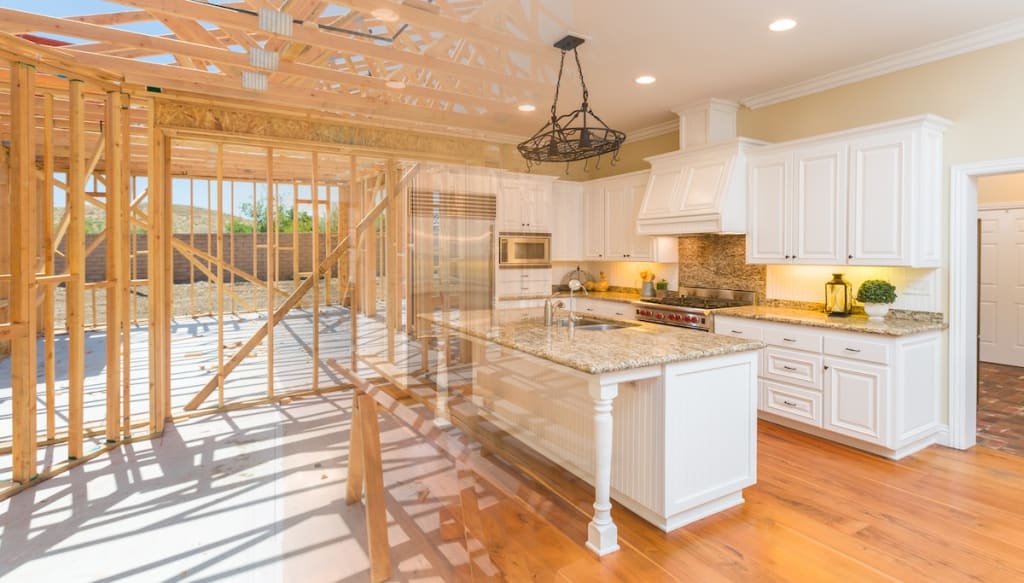
A custom home remodeling project offers the opportunity to transform your living space into a functional, stylish environment tailored to your lifestyle. However, without careful planning, even the most exciting renovation can become overwhelming. From setting a realistic budget to navigating permits, each step requires strategic decision-making. Below, we outline the essential strategies to ensure your custom home remodeling project stays on track, within budget, and aligned with your vision.
Setting a Clear Vision and Budget for the Project
The foundation of any successful remodel is a well-defined vision and a realistic budget. Start by identifying your goals: Are you updating a kitchen for modern functionality, expanding a living area, or enhancing energy efficiency? Create a list of priorities, distinguishing between "must-haves" and "nice-to-haves" to guide your decisions.
Next, establish a budget that accounts for labor, materials, permits, and unexpected expenses. Industry experts recommend setting aside 10–20% of your total budget for contingencies. Research average costs for similar projects in your area to avoid underestimating expenses. A clear vision and budget not only keep the project focused but also help you communicate effectively with contractors and designers.
Choosing a Reliable Contractor With Remodeling Expertise
Selecting the right contractor is critical to the success of your remodel. Look for licensed professionals with extensive experience in projects similar to yours. Ask for references, review portfolios, and verify credentials such as insurance and bonding. A reputable contractor will provide a detailed contract outlining timelines, costs, and responsibilities.
Communication is key during this phase. Discuss your vision, budget, and expectations upfront to ensure alignment. A reliable contractor will offer insights into feasibility, suggest cost-saving alternatives, and maintain transparency throughout the project. Avoid rushing this step—taking time to vet candidates can prevent costly mistakes and delays.
Prioritizing Upgrades That Offer the Best ROI
Not all renovations provide equal returns. Focus on upgrades that enhance both your quality of life and your home’s resale value. Kitchen and bathroom remodels typically yield the highest ROI, as modern fixtures and layouts appeal to future buyers. Energy-efficient upgrades, such as insulated windows or solar panels, also offer long-term savings and marketability.
Consider less obvious improvements, like adding storage solutions or improving lighting. These changes can significantly improve daily living without exceeding your budget. Avoid over-personalized designs that may limit broader appeal if you plan to sell later. Balancing practicality and aesthetics ensures your investment pays off financially and functionally.
Ensuring a Timeline That Minimizes Disruptions
A well-structured timeline keeps your remodel on track while minimizing disruptions to your daily life. Work with your contractor to outline each phase, from demolition to final inspections. Factor in lead times for materials, especially custom orders like cabinets or countertops, which may take weeks to arrive.
If living on-site during renovations, plan around major disruptions. For example, schedule noisy tasks like flooring installation during hours you’re away. Temporary kitchens or bathrooms can maintain convenience during extensive overhauls. Regular check-ins with your contractor help address delays promptly, ensuring the project stays aligned with your schedule.
Selecting High-Quality Materials for Long-Term Durability
Material choices impact both the aesthetics and longevity of your remodel. Opt for durable options like quartz countertops, hardwood flooring, or metal roofing that withstand wear and tear. While premium materials may have higher upfront costs, they often reduce maintenance and replacement expenses over time.
Sustainability is another key consideration. Eco-friendly materials like bamboo, recycled glass, or low-VOC paints contribute to healthier indoor air quality and environmental conservation. Discuss options with your contractor to find a balance between quality, budget, and sustainability. Investing in reliable materials ensures your remodel remains functional and visually appealing for years.
Navigating Permits and Compliance for a Smooth Process
Permits are often required for structural changes, electrical work, or plumbing updates. Failure to comply with local regulations can result in fines or delays. Your contractor should handle permit applications, but it’s wise to understand the process. Research local building codes and zoning laws to ensure your project meets all requirements.
Inspections at key stages—such as framing or electrical work—are mandatory. Schedule these in advance to avoid bottlenecks. Transparent communication with your contractor about compliance ensures the project proceeds legally and safely, preventing costly revisions later.
Conclusion
Planning a successful custom home remodeling project requires careful preparation, from defining your vision to selecting durable materials and navigating legal requirements. By partnering with a reliable contractor and prioritizing high-impact upgrades, you can create a space that reflects your lifestyle while maximizing your investment.
Custom home remodeling is not just about aesthetics—it’s about creating a functional, sustainable environment that serves your needs for years to come. With strategic planning and attention to detail, your remodel can transform your home into a sanctuary of comfort and value. Start your journey today by laying the groundwork for a seamless, stress-free renovation.
About the Creator
smithjohn
Hey, I’m Smit John, a blogger who loves sharing ideas on different topics. Writing is my thing, and I aim to keep my content informative, engaging, and worth your time. Stay tuned for more!
Relocating in Arlington Heights: What Residents Should Know Before Moving Day
Moving within Arlington Heights often feels simple at first glance, but many residents quickly learn that even short-distance relocations require thoughtful planning. The village’s mix of residential streets, apartment complexes, and townhomes creates a variety of moving scenarios, each with its own challenges. Understanding how local moving services—such as companies operating in the area like Falcon Moving LLC—fit into this process helps residents approach moving day with confidence.
By House Doctor3 days ago in Lifehack
Our Song
Evening has given way to night. Gently, I settle next to you on the comfortable, old love seat and reach for your hand. You snatch it away, again. It cuts me to the quick, but I hide the pain, understanding that the reaction is but part of your demented state. Since the accident, your presence here in our cozy home has been clouded by a haze I can't see. Nevertheless, I feel the frigidity of your expressions and it serves as an excruciating reminder of the immeasurable distance between us.
By Dana Crandell2 days ago in Fiction




Comments
There are no comments for this story
Be the first to respond and start the conversation.