
The Definitive Guide to the iPhone
Revolutionizing Mobile Technology Since 2007

The Definitive Guide to the iPhone
In 2007, the first iPhone entered shops and altered everything. Before it, phones had small keyboards and rudimentary displays. People texted using T9 or flicked open smartphones for calls. The iPhone introduced a large touchscreen and convenient applications. It transformed phones into tools for work, leisure, and life.
This guide recounts the iPhone's journey from inception to present. We look at hardware upgrades, software power, and how it integrates with other Apple products. You will realize why it remains ahead in the phone industry. Expect insights, statistics, and actual instances to help you comprehend its significance.
The Genesis and Evolution of the iPhone Hardware
Hardware makes the iPhone what it is. Over the years, Apple pushed limitations in construction, speed, and cameras. These adjustments keep consumers engaged and gadgets new.
From Multi-Touch to Dynamic Island: Design Milestones
The first iPhone featured a basic glass face and aluminum back. It weighed little and fit in pockets. The 3G model improved speed but retained the square design.
By the iPhone 4, edges got sharp with glass on both sides. Antenna troubles showed up; however, the design earned enthusiasts. iPhone 5 introduced larger displays and lighter metal frames.
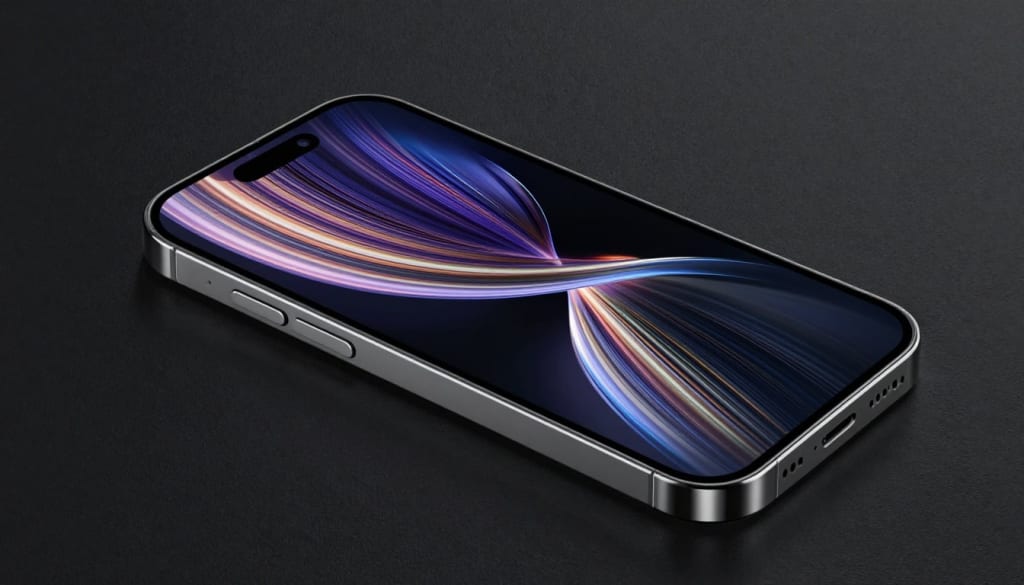
iPhone 6 became larger for greater media usage. Then the iPhone X sacrificed the home button for Face ID and a notch. Now, Dynamic Island on iPhone 14 Pro conceals notifications in the screen cutout.
Spot vintage designs by the button layout. Early ones had real home keys. Newer models employ motions. This helps when purchasing secondhand phones.
The A-Series Chip: Driving Performance Benchmarks
Apple began with simple semiconductors acquired from others. The A4 in the iPhone 4S handled applications adequately for its time. Each leap contributed cores and speed.
The A11 Bionic in the iPhone X smashed games with its GPU. It defeated opponents in testing. Now, the A17 Pro in the iPhone 15 wins single-core scores by 20% over Snapdragon processors.
These chips conserve battery too. Tasks like editing video operate smoothly without heat. Apple connects hardware to software for high grades.
Benchmarks from Geekbench reveal iPhones dominate charts year after year. You get years of fast use before slowdowns hit.
Camera Systems: The Pocket Photography Revolution
Early iPhones featured one lens for basic photos. iPhone 4S adds flash and HD video. Quality rose with improved sensors.
iPhone 11 offered ultra-wide lenses for landscapes. Telephoto on Pro models zooms without loss. LiDAR in later versions enhances night photos and AR.
Software shines here. Portrait Mode blurs backgrounds like DSLRs. Cinematic Mode films with focus shifting. Night mode extracts details from gloomy situations.
Pros utilize iPhones for fast videos. The iPhone 13's video established standards for YouTube producers. Stabilization keeps video stable on the fly. Your phone now rivals pro gear.
iOS: The Operating System That Built the Ecosystem
iOS runs the show on iPhones. It balances comfort with robust tools. Updates keep aged devices secure and speedy.
Core UX Principles: Simplicity Meets Functionality
iOS features sleek icons and smooth swipes. You touch once to launch applications. No clutter occupies the screen.
Animations lead your gaze. Pull down for search; swipe up to close. It seems natural, unlike cluttered Android menus.
Widgets on home screens provide data at a glance. You personalize without clutter. This configuration saves time every day.
Security and Privacy: Apple's Stance
Face ID analyzes your face in seconds. Touch ID employs fingerprints for speedy unlocks. Both beat passcodes in speed and safety.
App Tracking Transparency asks applications to follow you. You say no with one touch. iMessage encrypts talks end-to-end.
Apple executives emphasize no data sales. Their reports reveal excellent privacy precautions. You control what shares.
The App Store: Curation and Commercialization
Launched in 2008, the shop contained few applications. Now, over 1.8 million wait for download. Reviews keep trash out.
Developers make billions annually. Strict rules prohibit faulty coding. You locate dependable tools quickly.
Check app permissions before installing. Read reviews for red flags. This reduces privacy threats.
The Apple Ecosystem: Seamless Integration and Synergy
The iPhone connects with Macs, iPads, and more. This web makes life simpler. Tasks flow without interruption.
Continuity Features: Handoff, Universal Clipboard, and AirDrop
Start an email on iPhone; finish on Mac using Handoff. It starts off where you left off.
Copy text on iPad; paste on iPhone using Universal Clipboard. No retyping required.
AirDrop distributes files to adjacent devices. Send photographs to pals in seconds. Setup takes minutes in settings.
A writer may draft on a phone and revise on a laptop. This enhances workflow.
The Watch, AirPods, and Beyond: Peripheral Integration
Apple Watch links with iPhone for heart rate data. It syncs steps and calls to your phone.
AirPods connect instantly. Spatial Audio plays sound around you. Battery displays on iPhone screen.
HomePod ties in for music control. All gear speaks via Bluetooth. You control health and songs from one area.
Services Integration: iCloud, Apple Pay, and Subscriptions
iCloud saves photographs across devices. Access files from any Apple tool. It backs up constantly.
Apple Pay taps for fast purchasing. No cards required at shops. Security conceals your details.
Subscriptions like Apple Music renew simply. Manage them in settings. This keeps services seamless.
Market Position and Competitive Landscape
iPhones keep high sales positions. Premium costs pay off with lengthy lives. Android battles hard, but Apple stands apart.
Premium Pricing Strategy and Perceived Value
iPhones start at $799 for basic models. You receive three years of upgrades, frequently more. Trade-ins increase value.
Android flagships cost about the same but decline in resale quicker. iPhone 12 still sells well in 2025.
Users retain iPhones for 4 years on average. That's lengthier than most competitors. Worth comes from building and support.
Global Market Share Dynamics
Apple takes 20% of phone units globally. In the US, it reaches 50%. Revenue leads at $200 billion annually.
China experiences ups and downs, but premium sales rise. Europe likes iPhones for prestige.
Units vary, but profits reign. Apple profits more from each phone sold.
Addressing the Competition: Feature Parity vs. Differentiation
Samsung offers foldables; iPhones cling to slabs. Their zooms go far, but iPhone video wins over professionals.
Apple leads in chip speed and app polish. Crashes occur less on iOS. The battery lasts entire days.
You select depending on needs. iPhones suit you if you desire basic power.
Conclusion:
The Enduring Legacy and Future Trajectory
The iPhone established the touchscreen standard in 2007. It developed a safe app environment and linked gadgets together. Privacy remains vital.
Look forward to AR glasses connected to phones. Health sensors may monitor more, such as blood sugar. AI will edit photographs smarter.
Key features stick: powerful hardware, clear software, and a tight ecosystem. iPhones impact how we connect.
Upgrade if your model lags. Check Apple's site for offers. Stay in the loop for what's next.
About the Creator
abualyaanart
I write thoughtful, experience-driven stories about technology, digital life, and how modern tools quietly shape the way we think, work, and live.
I believe good technology should support life
Abualyaanart
Keep reading
More stories from abualyaanart and writers in Lifehack and other communities.
If We Want Our Children to Move Ahead in Life
1. The Day Everything Changed The issue of health of children did not bother me before I had a little one of my own. I used to think health was just about food, school, and keeping them away from screens. It seemed so simple.
By Hazrat Umerabout 3 hours ago in Lifehack
Mistakes to Avoid for First Time Home Buyers in Belgium
Purchasing your first property in Belgium is exciting. But new buyers often make preventable errors. These mistakes lead to financial problems and regret. Learning what to avoid saves you trouble later.
By Noor Muhammad Khan3 days ago in Lifehack
Self Help: Grifters' Gospel
On Self-Help, Snake Oil, and the Illusion of Change Psychology professionals and students can be imagined on two opposite sides of a line called self-help books: likely a larger group opposes pop-science and step-by-step manuals filled with talk of success, journaling, and not giving a f**k; others love them, but they aren’t many.
By Avocado Nunzella BSc (Psych) -- M.A.P 5 days ago in BookClub


Comments
There are no comments for this story
Be the first to respond and start the conversation.