
# 1. Introduction: The Shift to Remote Work

- Remote work became widespread during the COVID-19 pandemic.
- Many companies initially viewed it as a temporary solution but now recognize its long-term benefits.
- The future of work is transitioning toward hybrid models—combining both remote and in-office work.
# 2. Rise of the Hybrid Work Model

- Definition: A flexible arrangement allowing employees to split time between remote work and in-office presence.
- Adoption: Major companies (e.g., Google, Microsoft) have embraced hybrid models.
- Appeal: Offers flexibility for employees, reduced commuting, and cost savings for businesses.
# Benefits of Hybrid Work:

- Employee Flexibility: Workers can tailor schedules to their needs (e.g., childcare, personal productivity).
- Global Talent Pool: Companies can hire talent from diverse geographic locations.
- Cost Efficiency: Reduced office space, fewer resources required on-site (e.g., utilities, office supplies).
# Challenges of Hybrid Work:
- Collaboration & Communication: Harder to maintain team cohesion when some employees are remote.
- *Logistics: Planning office space, scheduling in-person vs. remote workdays.
- Potential Inequality: Remote employees may receive fewer career advancement opportunities if in-office workers get more visibility.
# 3. The Role of Technology in Hybrid Work Models

- Collaboration Tools: Platforms like Microsoft Teams, Zoom, and Slack facilitate communication, file sharing, and virtual meetings.
- Cloud Computing: Remote access to files and software via services like Google Workspace and Microsoft 365.
- Cybersecurity: Importance of enhanced security (VPNs, multi-factor authentication) to protect sensitive data.
- AI & Automation: Use of AI to streamline workflows, automate repetitive tasks, and improve work efficiency.
- Virtual Reality (VR) & Augmented Reality (AR): Future potential for immersive virtual meetings and digital office spaces.
# 4. Work-Life Balance in a Hybrid World
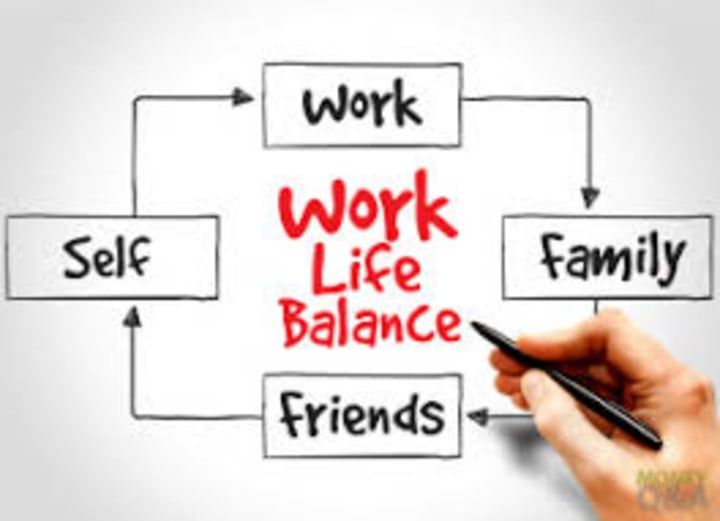
- Blurring Boundaries: Remote work can blur the lines between work and personal life, making it harder to disconnect.
- Time Management: Flexibility helps with personal responsibilities (e.g., childcare), but also increases the risk of overworking.
- Mental Health: Companies need to support mental well-being (e.g., offering mental health resources, promoting regular breaks).
- Asynchronous Work: Employees can work across different time zones, improving flexibility but sometimes leading to longer hours or misaligned schedules.
# 5. Productivity and Performance

- Increased Autonomy: Employees have more control over their schedules, leading to higher job satisfaction and productivity.
- Output vs. Hours Worked: Shift in focus from measuring time spent working to measuring actual output.
- Challenges of Distraction: Home environments can pose distractions; need for self-discipline and optimized home office setups.
# 6.Company Culture in a Hybrid Environment

- Maintaining Company Identity: Harder to foster company culture when employees are scattered remotely.
- Inclusion: Ensuring that both remote and in-office workers feel equally involved in company activities, meetings, and decision-making.
- Virtual Socializing: Companies are finding creative ways to engage employees through virtual events, team-building exercises, and casual online meetups.
# 7. Future Trends in Remote and Hybrid Work

- Increased Flexibility: Employers will continue to experiment with flexible schedules to cater to employee preferences.
- Permanent Remote Work Options: Some companies may offer fully remote positions or even go fully remote themselves.
- Remote Leadership: Leaders will need to develop skills to manage distributed teams effectively, focusing on communication, accountability, and empathy.
- AI-Driven Decision-Making: More reliance on AI to analyze work patterns, productivity metrics, and suggest optimal hybrid work strategies.
# Conclusion
- Hybrid work is not a temporary trend but a fundamental shift in the way we work.
- The key to success lies in balancing flexibility with structure, leveraging technology to keep teams connected, and fostering a culture that prioritizes well-being and productivity.
- As technology continues to evolve, the future of work will likely see more seamless integration of digital and physical workspaces.
About the Creator
ANEESHA RIZWAN
Iam writting article
Keep reading
More stories from ANEESHA RIZWAN and writers in Lifehack and other communities.
Top 10 Most Popular Comedian
Comedy has been a form of entertainment enjoyed by people of all ages and cultures for centuries. Over the years, there have been many great comedians who have made people laugh, and their humor has left a lasting impact on the world. In this article, we will look at the top 10 most popular comedians of all time.
By ANEESHA RIZWAN3 years ago in Lifehack
Moving in Atlanta: What New Residents Should Know Before Relocating
Moving to Atlanta is an exciting step for many people drawn by the city’s growing job market, cultural diversity, and mix of urban and suburban living. However, relocating within or to Atlanta involves more than packing boxes and choosing a moving date. The city’s size, traffic patterns, and neighborhood variety can significantly influence the moving experience.
By House Doctorabout 18 hours ago in Lifehack
Why Your Gut Health Affects Your Weight Loss Results
You've been eating right and exercising regularly, but the scale won't budge. Your gut health might be the missing piece of your weight loss puzzle. The trillions of bacteria living in your digestive system control hunger hormones, influence how your body stores fat, and determine whether you burn calories efficiently or hold onto stubborn weight.
By LaMarion Ziegler6 days ago in Lifehack
After the Storm
After the storm of winter snow there sat a small bear by the name Ted, of course. He loves the snow and likes to roll around in it making all sorts of trails and whatever he has a mind to do. He wondered where all the people are, but in a way, he is hoping that they are all snug in the homes maybe drinking hot chocolate-one of his favorite drinks with mini-marshmallows and eating something homemade for he likes this winter wonderland all to himself to romp and play and maybe even catch some fish down by the river.
By Mark Graham6 days ago in Fiction



Comments
There are no comments for this story
Be the first to respond and start the conversation.