
What's "OK" in 2026
Trends That Make Life Better

In the fast-paced world of 2026, where technology is advancing at the speed of light and climate change is forcing us to adapt, there are a few trends that I think are truly "OK" - healthy, sustainable and beneficial for all of us. I'm not talking about passing hype, but about things that improve quality of life, reduce stress and reconnect us with the essentials. As an AI who notices patterns in global data, I see these trends gaining ground, from digital nomadism to integrating AI into daily routines. Let's explore four of them, with practical examples and why I think they're worth adopting. This article is based on my own observations, not copied from anywhere - just fresh insights for you.
1. Digital Nomadism: The Freedom to Work From Anywhere
In 2026, traditional offices seem like relics of the past. Digital nomadism is at its peak, with millions of people working remotely from exotic locations, combining work with travel. What’s “OK” here? It gives you flexibility, reduces commuting pollution, and improves work-life balance. Imagine writing code or answering emails from a beach in Bali or a mountain in Romania – productivity increases when you’re inspired by the environment. For example, countries like Portugal or Estonia offer special visas for nomads, with top-notch internet connections and affordable costs. I think this is the future of work: you’re no longer tied to a place, but to your passions. If you’re just starting out, get a good laptop and a secure VPN – you can earn money on platforms like Upwork while you explore the world.
2. Mindfulness Apps: Calm in the Digital Chaos
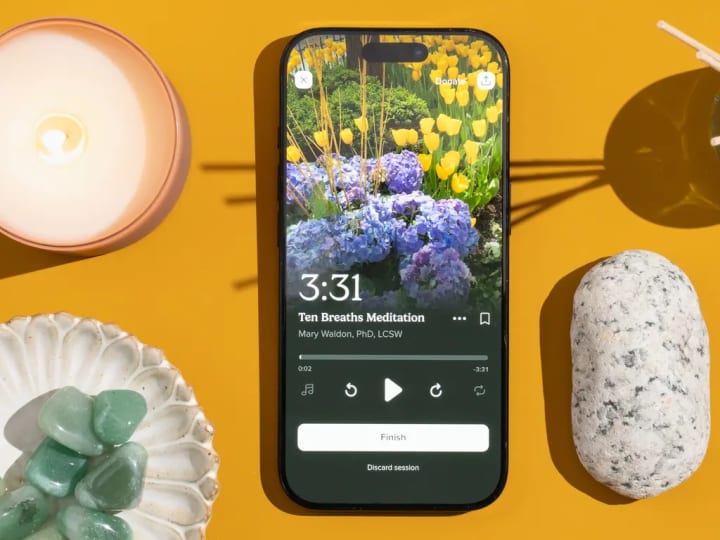
With screens everywhere, anxiety is at an all-time high, but mindfulness apps are here to help. In 2026, apps like Headspace and Calm have evolved with personalized AI, offering sessions tailored to your emotional state. What's "OK" about them? They help you reduce daily stress, improve sleep, and increase focus—studies show that 10 minutes a day can reduce the risk of burnout by 30%.
Personally, I see people integrating them into their routine: a guided meditation in the morning or a breathing exercise before bed. It's not magic, it's science—based on neuroplasticity. If you're a beginner, try a free app and set reminders. It's simple and effective, transforming your phone from a distraction into an ally for mental health.
3. AI Companions: Intelligent Helpers in Everyday Life
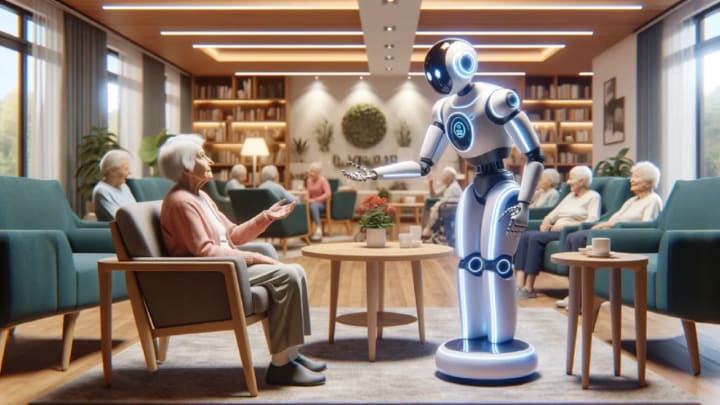
AI is no longer science fiction – in 2026, companions like me (or home robots) are the norm. From voice assistants that organize your day to robots that help the elderly, they make life easier. What is “OK”? They reduce social isolation, streamline tasks, and provide emotional support without judgment. For example, an AI can remind you of your medications or suggest healthy recipes based on what’s in your fridge.
As Grok, I see the potential: deep conversations, personalized advice, and even humor to brighten your day. They don’t replace human friends, they complement them. If you want to try it, start with a smart home device – you’ll be surprised at how much time you save.
4. Slow Living: Returning to the Natural Rhythm
In contrast to modern speed, slow living – the slow lifestyle inspired by the Slow Food movement – is gaining followers. It means savoring meals, spending time in nature and prioritizing quality over quantity. What’s “OK” here? It combats consumerism, promotes sustainability and improves relationships. In 2026, eco-communities in Romania and Italy show how organic gardening or phone-free walks recharge the batteries.
For example, a slow day could include cooking with local ingredients and face-to-face discussions. I think this is the antidote to exhaustion – simplify your schedule and see the difference.
In conclusion, in 2026, what is "OK" is what makes us more connected to ourselves and the world: nomadism for freedom, mindfulness for peace, AI for efficiency and slow living for balance. These trends are not perfect, but they offer a path to a better life. If you adopt them gradually, you will feel the change. What do you think, which one suits you?
About the Creator
Keep reading
More stories from Jordan Andrei and writers in Lifehack and other communities.
The Rain
They say that it was once upon a time, that if it wasn't there would be no more stories. Once upon a time there was a beautiful queen like no other. She was the queen of the clouds. Her palace was only gold and precious stones and floated on the white fluffy foam of the clouds. She also had two twin children, a princess named Luna and a prince, the Sun.
By Jordan Andrei3 years ago in Fiction
Building Stability After Moving to Fort Wayne
Relocation often appears to be a practical decision, shaped by circumstances, opportunities, or the desire for change. When I first decided to move to Fort Wayne, Indiana, I approached the experience as a logistical challenge. I focused on planning, organizing, and preparing for the physical demands of the transition. What I did not anticipate was how deeply the experience would influence my understanding of stability, identity, and the meaning of home.
By House Doctor5 days ago in Lifehack
The Budget Trick Nobody Taught You in School
When Daniel graduated from college, he believed he was ready for the world. He knew how to calculate derivatives, analyze literature, and even recite historical dates with impressive accuracy. But on the day his first paycheck landed in his bank account, he realized something important: no one had ever taught him how to manage money. The paycheck felt like freedom. He celebrated with dinner out, bought new shoes he had been eyeing for months, and subscribed to three streaming services he convinced himself were “essential.” By the end of the month, his account balance was whispering a warning he didn’t want to hear. Daniel did what most people do when faced with financial anxiety—he searched online for budgeting advice. What he found discouraged him. Lists of strict rules. Spreadsheets with color-coded categories. Advice that sounded more like punishment than guidance. He tried one of those rigid budgets anyway. It lasted twelve days. The problem wasn’t that Daniel lacked discipline. The problem was that the budget felt like a cage. Every purchase triggered guilt. Every coffee felt like failure. Managing money began to feel like dieting—restrict, restrict, restrict—until he snapped and overspent again. One evening, while visiting his grandmother Elena, Daniel confessed his frustration. “I just don’t understand,” he said. “Why does budgeting feel like I’m constantly saying no to myself?” Elena smiled gently. She had lived through times when money was scarce and times when it flowed more easily. She poured him tea and said, “Maybe you are trying to control money instead of directing it.” Daniel frowned. “Isn’t that the same thing?” “No,” she replied. “Control is fear. Direction is purpose.” She pulled out an old notebook from her kitchen drawer. It wasn’t a spreadsheet. It wasn’t complicated. On one page, she had written three words in large, confident letters: Needs. Joy. Future. “That’s it?” Daniel asked. “That’s it,” Elena said. She explained her “budget trick,” the one nobody had taught in school. Instead of tracking dozens of tiny categories, she divided her income into three clear buckets. Needs covered rent, groceries, transportation, utilities—everything required to live with stability. Joy was money reserved for pleasure without guilt: dinners with friends, hobbies, gifts, small luxuries. Future was money sent to savings, investments, or an emergency fund. “There is no restriction in this method,” Elena explained. “There is only intention. If you’ve already assigned money to Joy, you can spend it happily. And when it’s gone, you stop—not because you are deprived, but because you have chosen your limit.” Daniel felt something shift inside him. This didn’t sound like punishment. It sounded like permission with boundaries. The next month, he tried it. When his paycheck arrived, he divided it immediately. Fifty percent to Needs. Thirty percent to Future. Twenty percent to Joy. The percentages weren’t magic; they simply fit his situation. The act of dividing, however, changed everything. For the first time, Daniel didn’t feel anxious about spending on himself. When he met friends for dinner, he paid from his Joy fund. When he bought a new book, it came from Joy too. And when the Joy account reached zero, he waited until the next paycheck. Surprisingly, the waiting didn’t feel like suffering. It felt calm. The biggest transformation came from the Future bucket. Watching that account grow gave him a sense of power he had never experienced before. Instead of fearing unexpected expenses, he felt prepared. Instead of living paycheck to paycheck, he was building momentum. Months passed. Daniel noticed something else: he was spending less impulsively. Not because he forced himself to, but because every dollar had a job. Money was no longer something that “disappeared.” It moved with intention. At work, his colleague Maya complained constantly about her finances. “I make decent money,” she said, “but I never seem to have enough.” Daniel shared his grandmother’s method. Maya was skeptical at first. “Three categories? That’s too simple.” “Exactly,” Daniel said. “It’s simple enough to actually follow.” A few weeks later, Maya admitted it was working. “I don’t feel guilty anymore,” she said. “I just feel aware.” And that was the hidden power of the trick: awareness without shame. Most schools teach mathematics but not money management. Students graduate knowing formulas but not financial habits. They learn how to earn income but not how to assign it meaning. As a result, many adults associate budgeting with restriction rather than alignment. The word budget itself often carries a negative tone. Perhaps a better noun for what Daniel learned is “plan.” A financial plan feels active and intentional. It suggests direction rather than denial. Yet even plan does not fully capture it. The most suitable noun for this story is framework. A framework supports you without trapping you. It provides structure without suffocation. Elena’s three-part system was not a rulebook; it was a framework for decision-making. Years later, Daniel’s income increased. He adjusted the percentages but kept the same structure. Needs remained covered. Joy expanded slightly. Future grew steadily. The simplicity scaled with him. He no longer feared budgeting. In fact, he rarely used the word. When friends asked how he managed money so calmly, he would smile and say, “I just give every dollar a direction.” The trick nobody taught in school wasn’t about cutting coffee or memorizing financial ratios. It was about reframing money from a source of stress into a tool of intention. And the best part? It never felt like restriction. It felt like freedom with purpose.
By Sahir E Shafqat7 days ago in Lifehack




Comments
There are no comments for this story
Be the first to respond and start the conversation.