
Why Homemade Steak Doesn't Taste as Good as Fine Dining Steak
No matter how closely you follow a recipe, something always seems missing. There are a few key reasons your homemade steak can't compete. Let’s break it down.
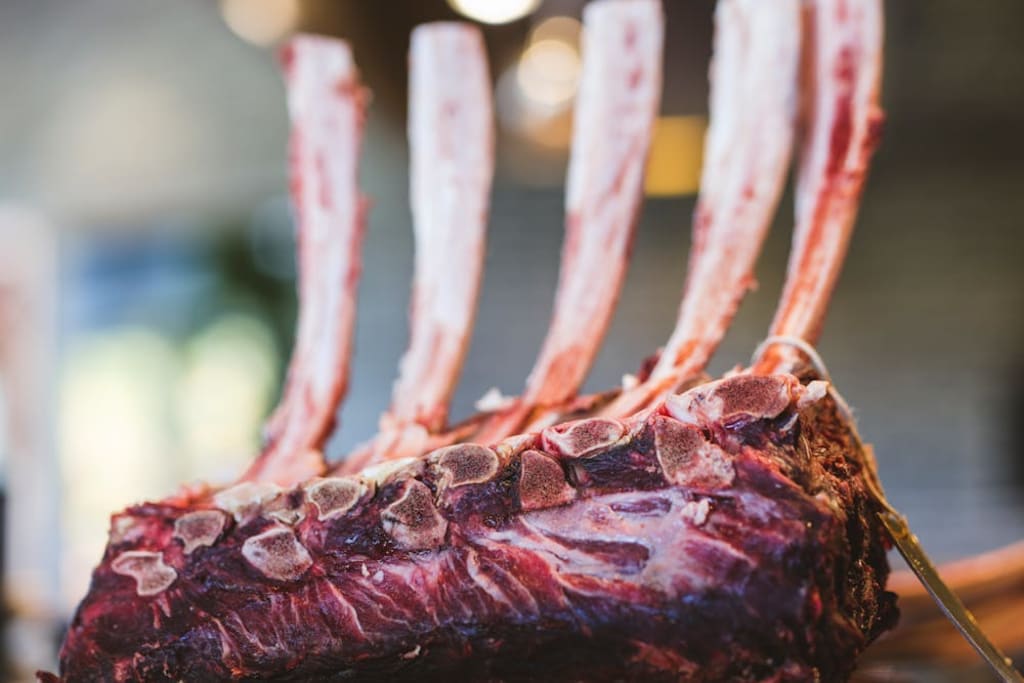
Have you ever wondered why the steak you cook at home never quite reaches the same level as the one from a fine dining restaurant?
No matter how closely you follow a recipe, something always seems to be missing.
Well, there are a few key reasons why your homemade steak just can't compete. Let’s break it down.
1. Quality of the Meat Matters
One of the biggest reasons is the quality or grading of the beef itself. Fine dining restaurants have access to premium, high-grade beef, often sourced from top suppliers.
Many use USDA Prime or Wagyu beef, which has superior marbling and tenderness. Meanwhile, most grocery stores primarily carry Select or Choice grades, which just don’t have the same level of flavor or texture.
2. Professional Cooking Equipment
Unless you have a high-powered infrared broiler or a professional-grade grill in your home kitchen, you’re already at a disadvantage.
Restaurants use specialized grills and ovens that can reach extreme temperatures, allowing them to sear meat perfectly while keeping the inside juicy.
3. The Art of Seasoning and Preparation
Chefs in fine dining restaurants spend years perfecting their craft. They know exactly how long to dry-age their steaks, how much salt to use, and how to let the meat rest before and after cooking.
Many home cooks either under-season or don’t give the steak enough time to rest, which impacts its final taste and texture.
4. The Power of Basting and Butter
Ever wonder why steak from a restaurant tastes richer?
Many chefs use basting techniques with butter, garlic, and herbs to add layers of flavor that home cooks often skip. That buttery, aromatic coating makes a world of difference in taste.
5. Resting and Presentation
Fine dining restaurants know that serving steak at the right temperature is crucial. They let their steak rest before slicing, ensuring the juices are evenly distributed.
A home-cooked steak is often cut too soon, leading to a drier texture.
6. High-Temperature Searing
Another key factor is how steaks are seared. Professional kitchens use cast iron pans or high-BTU grills that can reach searing temperatures above 800°F (427°C). This creates a deep, flavorful crust that locks in juices—something that’s hard to achieve on a typical home stovetop.
7. Dry-Aging Process
any high-end restaurants dry-age their steaks for weeks, allowing enzymes to break down the muscle fibers, resulting in an incredibly tender and flavorful cut. This process is rarely done at home because it requires specialized refrigeration and precise humidity control.
8. Cooking Techniques and Experience
Professional chefs have mastered techniques like reverse-searing, sous vide, and butter-basting.
They also know the perfect internal temperatures for different levels of doneness, ensuring consistency that home cooks may struggle with.
9. Final Touches and Presentation
Restaurants don’t just serve a steak on a plate. They add finishing touches like compound butters, sauces, and elegant plating techniques that enhance both the flavor and dining experience. At home, most people serve steaks more casually, missing out on those extra elements that elevate the dish.
Conclusion
At the end of the day, while you can improve your steak game at home, there’s something special about a fine dining experience. If you really want to taste steak at its absolute best, visiting a fine dining restaurant is the way to go.
About the Creator
Keep reading
More stories from Febrian Whello and writers in Lifehack and other communities.
Best Crib Bumper Options for Modern Nurseries
Designing a modern nursery is all about creating a space that feels calm, stylish, and comfortable for both parents and baby. One product that often becomes part of this discussion is the Crib Bumper. In the past, crib bumpers were mainly used for protection, but today they are also seen as a design element that adds softness and visual balance to the crib. Modern parents now look for options that combine simple aesthetics with better airflow and safer materials, instead of the thick and heavily padded styles used years ago.
By Muhammad Hanzlaa day ago in Lifehack
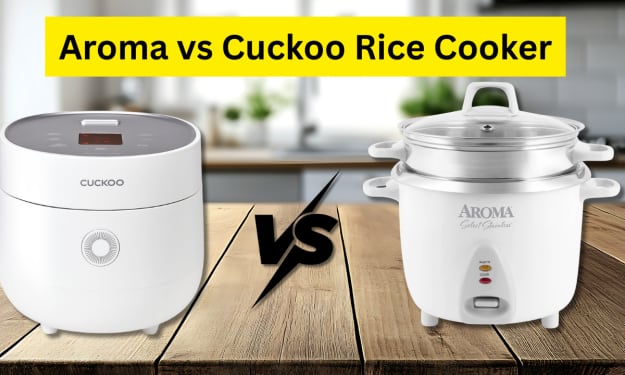
Aroma vs Cuckoo Rice Cooker: Which Should You Buy in 2026?
Choosing between brands can feel hard, especially with something you use every week. When I compare Aroma vs Cuckoo rice cooker, I notice key differences in price, features, and long-term value. I’ve looked closely at both, and here’s what stands out so you can decide which one fits your kitchen best.
By Mohammed mamun5 days ago in Lifehack



Comments
There are no comments for this story
Be the first to respond and start the conversation.