
Why people are drawn to travel and explore new cultures?
Reason for traveling and exploring new cultures
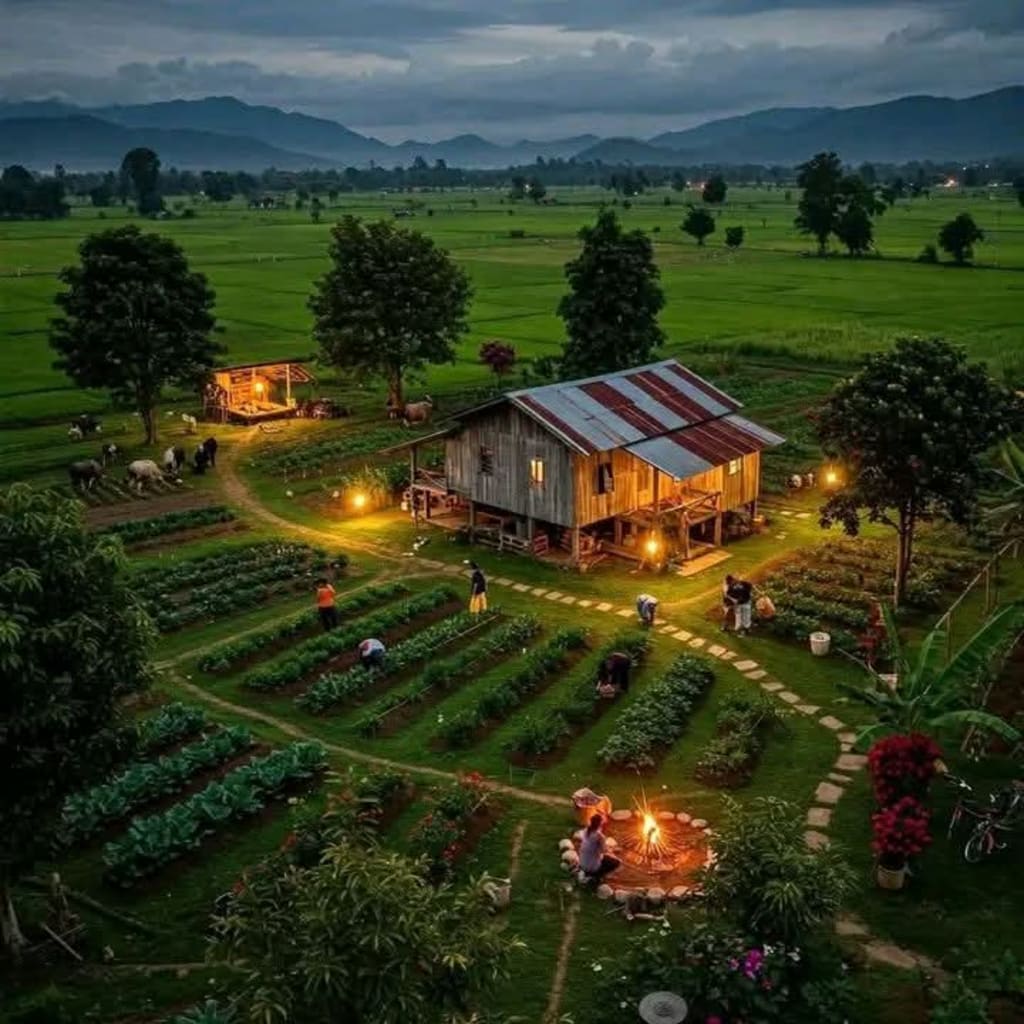
Since our earliest ancestors walked the planet in quest of food, shelter, and opportunity, humans have had a deep-seated desire to travel and see different cultures. This instinct has changed in the modern day, encompassing a wide range of incentives, including social, psychological, emotional, and even spiritual ones, in addition to survival. In addition to getting to their destination, people travel to develop, learn, and interact in ways that are frequently life-changing.
Curiosity—the innate human tendency to seek out the unknown—is at the core of travel. People experience diverse lifestyles, perspectives, and social interactions as they travel to new locations. Awe and interest are sparked by these distinctions. These experiences, whether it is sampling street food in Bangkok, going to a traditional Moroccan wedding, or seeing a religious ceremony in India, provide a glimpse into worlds very different from our own. Many people find the novelty to be not just thrilling but also compulsive. It encourages a desire to continue discovering, studying, and encountering the unknown.
Another compelling factor that draws people to travel is personal development. It can be incredibly eye-opening to step outside of one's comfort zone, particularly into a society that questions one's preconceptions and habits. Travelers frequently say that experiencing a another culture has made them more flexible, self-reliant, and tolerant. People are forced to think differently, solve issues quickly, and communicate across linguistic or cultural obstacles when they are in a new setting. Through these experiences, travelers develop their emotional intelligence and confidence, becoming more resilient and sympathetic people.
Furthermore, vacation is frequently a way to unwind and rejuvenate. Because daily living can become monotonous or stressful, many people turn to travel as a way to refresh their minds. People's viewpoints might alter and their sense of purpose can be restored with a change of location. People might obtain clarity and newfound purpose by spending time in unfamiliar environments, particularly in nature or amid diverse cultures, where they can reflect on their own life from a distance. This may even be a healing process for some people, particularly following significant life transitions or times of burnout.
The need for understanding and personal connection is another powerful drive. People are becoming more conscious of the world's interconnectedness as global citizens. Building bridges across cultural barriers through travel promotes tolerance and respect for one another. Meaningful connections and enduring memories are frequently formed through interactions with locals, shared meals, and cultural activities. These encounters lessen prejudice and foster compassion by fostering a more complex awareness of human diversity and world challenges.
Excitation and adventure are also important. Hiking through a rainforest, navigating a strange city, or eating a new cuisine are just a few examples of the exhilarating experience that many people get from venturing into the unknown. It is difficult to recreate the impression of vigor and presence these times provide in daily life. Even though it can be difficult at times, travel's unpredictable nature frequently produces the most treasured and unforgettable experiences.
For other people, family and identity are also important aspects of travel. To learn more about their origins and cultural heritage, people may travel to the locations where their ancestors once lived. One's feeling of identity can be strengthened and history can be brought to life in a very intimate way by traveling to their family's native country.
Lastly, travel provides an opportunity to gather and share stories in a social world. Sharing special moments, such as a camel ride across the desert or a sunset over Machu Picchu, may be a source of happiness, connection, and validation in a world where social media rules.
All things considered, a combination of curiosity, development, connection, adventure, and significance fuel the desire to travel and experience different cultures. It is among the best methods for people to interact with the outside world, broaden their horizons, and improve their quality of life.
About the Creator
How to Be Self‑Obsessed (The Healthy Way) and Finally Feel Confident, Magnetic, and Unbothered
You know that fantasy where you wake up, stretch like a romcom heroine, and actually like yourself instead of immediately spiralling about your life, your face, and that one text you sent in 2019?
By Anie the Candid Mom Abroad7 days ago in Lifehack
Between Two Cities, One Unfinished Love
Between Two Cities, One Unfinished Love In 2010, my life quietly changed when I met her. There was nothing dramatic about that moment—no promises, no loud confessions—just a simple meeting that slowly found its place in my heart. She lived in Rawalpindi, surrounded by busy streets and constant movement, while I lived in Swat, among mountains that taught patience and silence. We belonged to two different cities, two different worlds, yet something unspoken connected us from the very beginning.
By Wings of Time about 14 hours ago in Lifehack



Comments
There are no comments for this story
Be the first to respond and start the conversation.